Bionic Eye Technology
The development of bionic eye technology represents a groundbreaking advancement in medical science, offering a beacon of hope for individuals with severe visual impairments. This innovation, particularly the work done by the Australian company Sonopics, focuses on restoring vision through direct brain stimulation. This article delves into the intricacies of how this technology works, its clinical impact, and the practical benefits it offers to patients.
Context / Why this matters
The significance of bionic eye technology cannot be overstated. For individuals who have lost their sight due to severe nerve damage, glaucoma, or other conditions that make traditional retinal implants ineffective, this technology provides a new pathway to regain vision. The direct brain link approach offers a more comprehensive solution, aiming to enhance environmental awareness and improve the quality of life for those who can benefit from it.
Direct Brain Link and Wireless Processing
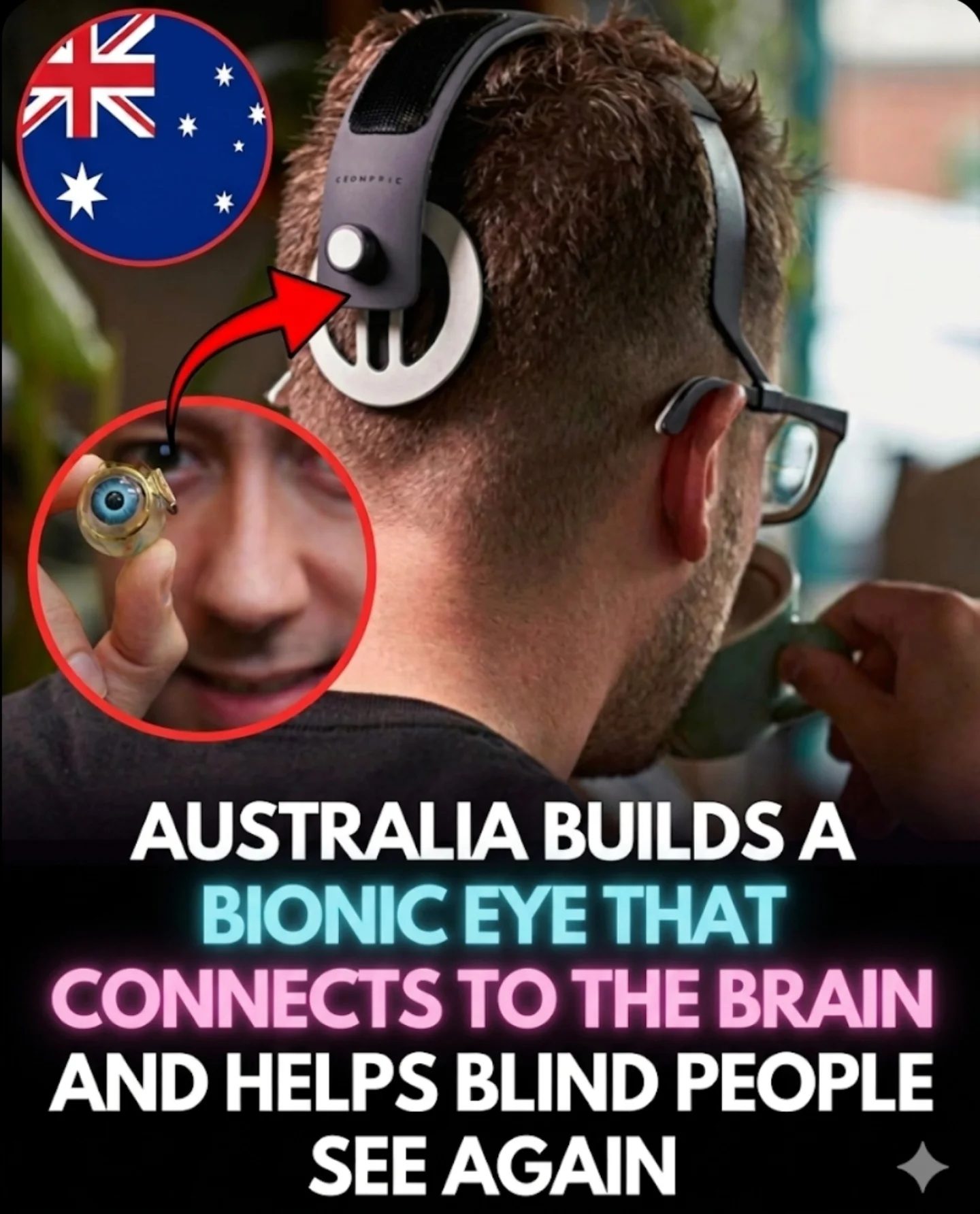
The bionic eye developed by Sonopics, known as Gennaris, employs a unique approach that sets it apart from traditional retinal implants. Instead of implanting devices in the retina, Gennaris uses miniature wireless tiles that are directly implanted into the primary visual cortex of the brain. This direct brain link allows for more effective stimulation of the visual cortex, creating the perception of light and shapes.
The process involves a camera-equipped headset that captures the user's surroundings and transmits this data to a pocket-sized processor. This processor then sends the necessary signals to the brain implants, stimulating neurons to create phosphenes—flashes of light that allow users to perceive shapes, movement, and obstacles. This wireless processing system ensures that the user can navigate their environment more independently and safely.
Clinical Impact and Accessibility
One of the most compelling aspects of this technology is its clinical impact and accessibility. Gennaris is specifically designed for patients who cannot benefit from other bionic solutions. These individuals often suffer from severe nerve damage or glaucoma, conditions that make traditional retinal implants ineffective. By targeting the primary visual cortex, Gennaris bypasses these damaged areas, offering a viable solution for a broader range of patients.
The technology has received FDA Breakthrough Device status, highlighting its potential and significance in the field of cortical visual prostheses. This status expedites the development and approval process, allowing for more rapid deployment and availability to patients in need.
Practical Tips
While the technology is still in development, there are several practical considerations for patients and healthcare providers. Understanding the process and potential benefits can help in making informed decisions.
Consultation and Evaluation
For patients considering this technology, it is crucial to consult with healthcare providers who specialize in visual prosthetics. An initial evaluation will determine if a patient is a suitable candidate. Factors such as the extent of nerve damage, the presence of glaucoma, and overall health will be considered.
Preparation for Surgery
The procedure involves the implantation of wireless tiles directly into the brain, which is a complex and delicate surgery. Patients should be prepared for a comprehensive preoperative assessment and postoperative care. This includes understanding the risks, benefits, and expected outcomes.
Postoperative Rehabilitation
After the surgery, patients will undergo a period of rehabilitation to learn how to interpret the visual signals provided by the bionic eye. This process involves training the brain to recognize the phosphenes and translate them into meaningful visual information. Physical therapy and occupational therapy may also be necessary to help patients regain independence and mobility.
Important Takeaways
Bionic eye technology, as exemplified by Sonopics' Gennaris, represents a significant leap forward in the field of visual prosthetics. By directly connecting to the brain, this technology offers a more effective solution for individuals with severe visual impairments who cannot benefit from traditional retinal implants. The clinical impact is profound, providing access to a broader range of patients and enhancing their quality of life through improved environmental awareness and mobility.
Conclusion
The advancement of bionic eye technology, particularly the direct brain link approach developed by Sonopics, offers a promising future for individuals with severe visual impairments. By leveraging miniature wireless tiles implanted directly into the brain, this technology aims to restore vision and enhance the quality of life for those who have lost their sight. As research and development continue, the potential for this innovation to transform the lives of countless individuals becomes increasingly evident.
Watch the Reel
Questions readers ask
How does the bionic eye technology developed by Sonopics work?
Sonopics' bionic eye technology involves implanting wireless tiles directly into the brain's visual cortex. These tiles stimulate the brain to perceive light, shapes, and movement, bypassing damaged retinal tissue and providing a new pathway for vision.
Who can benefit from Sonopics' bionic eye implants?
Individuals with severe visual impairments, particularly those with retinal damage or conditions that make traditional implants ineffective, such as glaucoma, can benefit from Sonopics' bionic eye technology. This includes people who have lost sight due to nerve damage or other retinal conditions.
What are the practical benefits of using a bionic eye device from Sonopics?
Users of Sonopics' bionic eye devices experience improved environmental awareness and increased independence. By regaining the ability to perceive light, shapes, and movement, users can navigate their surroundings more effectively and engage more fully with their environment.
What makes Sonopics' approach to bionic eye technology unique?
Sonopics' unique approach involves direct brain stimulation through implants in the visual cortex, rather than focusing on the retina. This method is particularly beneficial for individuals with severe retinal damage, offering a new solution where traditional implants may not be effective.
What are the potential long-term impacts of bionic eye technology on patients' lives?
Bionic eye technology from Sonopics can significantly enhance the quality of life for patients by providing a means to regain vision. This can lead to greater mobility, increased social interaction, and a reduction in the reliance on external assistance, fostering a greater sense of independence and well-being.
Are there any potential risks or challenges associated with bionic eye implants?
While bionic eye implants offer promising benefits, there are potential risks and challenges. These can include the invasiveness of the procedure, the need for long-term device maintenance, and the possibility of adverse reactions to the implant. Ongoing research and development are focused on mitigating these challenges to improve patient outcomes.
How does Sonopics' technology compare to other bionic eye developments?
Sonopics' technology stands out by targeting the visual cortex directly, which makes it a viable solution for patients with extensive retinal damage. Other bionic eye developments often focus on retinal implants, which may not be suitable for individuals with severe retinal degeneration or nerve damage.
Related deep dives
Similar reads based on topic and creator.

Recent articles
Fresh deep dives from the latest Reels we unpacked.




Comments
Be the first to comment.