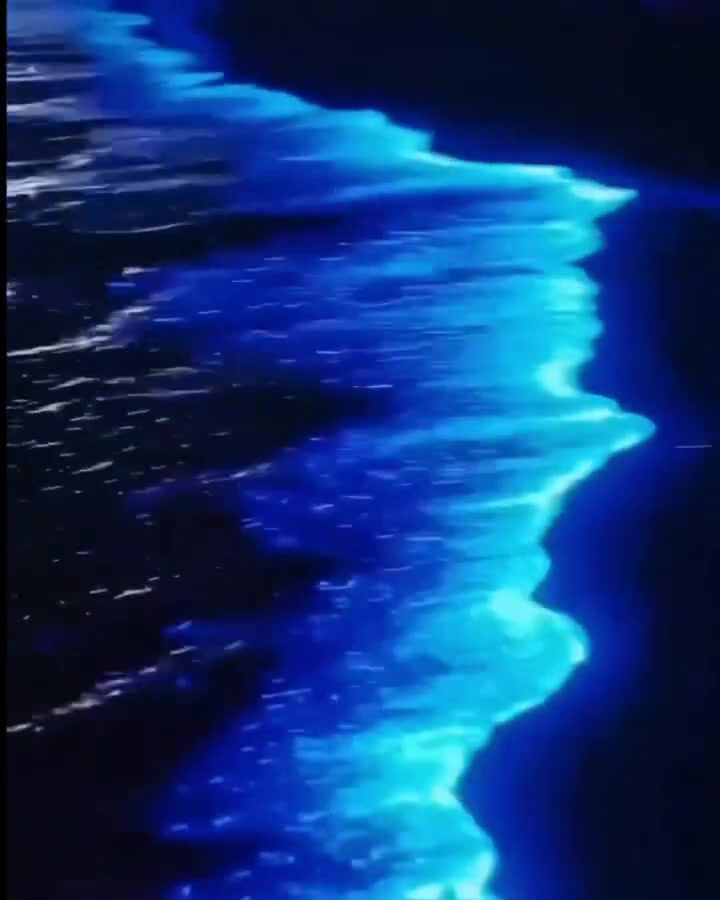
Nature's Glowing Spectacle
Bioluminescence, nature’s living light, often goes unseen by most of us. This natural phenomenon illuminates ocean waves at night. Bioluminescence is created via chemical reactions in organisms. Bioluminescence encompasses many marine forms of life. Fireflies and glowing fungi on land also exhibit the ability to produce their own light. The bioluminescence response and its function in organisms include survival, communication, finding prey, and confusing predators. The deep ocean is an environment where bioluminescence may be crucial for survival. Bioluminescence has captivated scientists and explorers alike for centuries. The blue illumination of the nighttime waves are produced by marine organisms. This living light is especially astounding. Bioluminescence is a form of chemiluminescence. Bioluminescence requires a chemical reaction that occurs in an organisms. This illuminates the ocean waves at night. Then the water is illuminated with a blue light, creating a dynamic and visually striking effect. This happen in the pacific ocean only.
Bioluminescence for Survival
Bioluminescence often serves as a survival mechanism. The glow can attract prey, for example, attracting fish to smaller organisms. Conversely, bioluminescence may act as a deterrent, illuminating parts of an organism. This may confuse, or even ward off, predators. Some deep-sea creatures use bioluminescence for both offense and defense. Many other plants produce bioluminescence to attract mice to eat them. This serves a very different purpose for survival in the animal kingdom. Some deep-sea creatures, like the lanternfish, use bioluminescence for communication. They use these light signals to find mates and to swim together. Bioluminescent organisms emit light through a chemical reaction. The deep-sea creature initiates the emission. The chemicals within the organism produce light as the body requires. There are many angles for how bioluminescence helps these creatures.
Beacons in the Deep
Bioluminescence illuminates the vast, dark expanse of the deep ocean. Bioluminescence is often associated with specific organs in the ocean's depths. Bioluminescent organs are crucial for survival, communication, and reproductive success. Many organisms can control the intensity and duration of their light emissions. For instance, the flashlight fish uses bioluminescent bacteria to illuminate its own light organ. It catches prey by attracting them to the glowing surface. Bioluminescent bacteria are not produced independently by the fish. Bioluminescent bacteria are symbiotic with the flashlight fish. This process is a fascinating example of bioluminescence in the marine ecosystem. Bioluminescence is a fascinating biological phenomenon. It’s no surprise that bioluminescence is a hot research topic. The study of bioluminescence may lead to advancements in medical treatments, environmental monitoring, and ecological understanding. Scientists are exploring the bioluminescent mechanisms. They are investigating the chemicals, genes, and proteins that make bioluminescence possible. Researchers are deciphering how organisms communicate and survive. Bioluminescence is inspiring cutting-edge innovations in biotechnology.
Watch the Reel
Related deep dives
Similar reads based on topic and creator.




Recent articles
Fresh deep dives from the latest Reels we unpacked.




Comments
Be the first to comment.