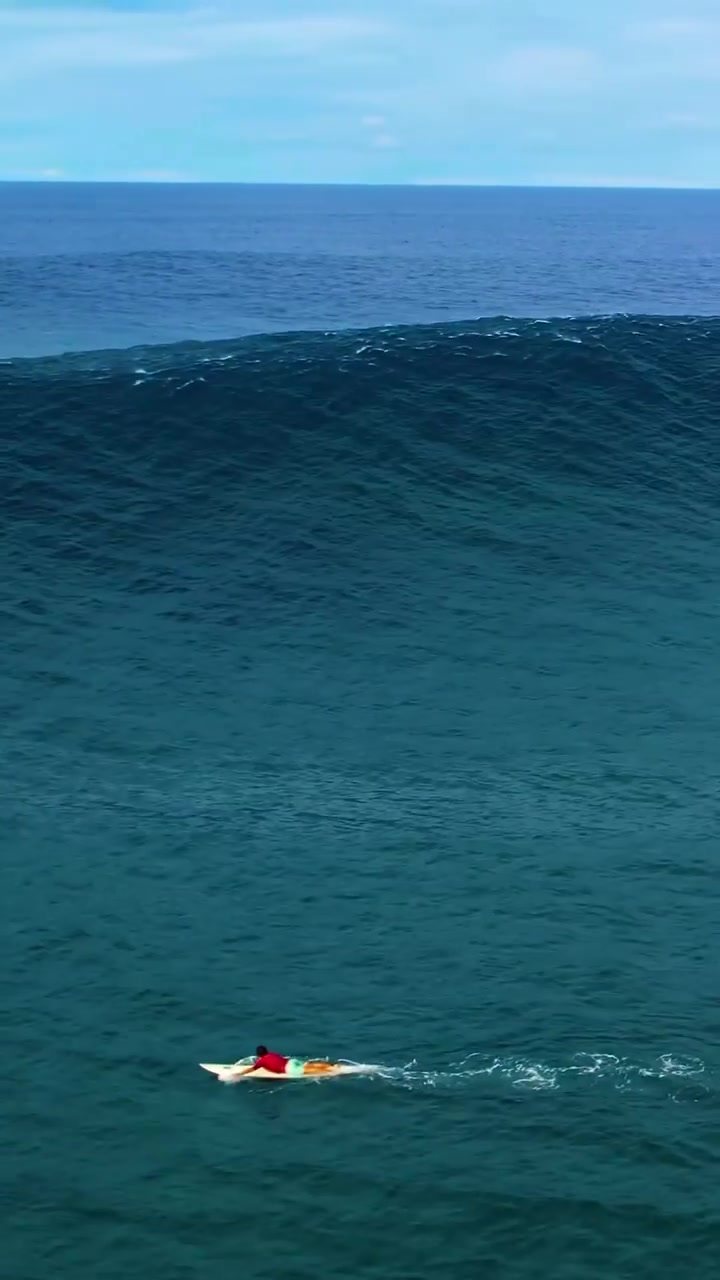
Surfers are swimming, paddling, and dashing through waves so enormous they dwarf the surfers. Like a powerful dance that has to be worked for. Despite how it looks, even surfers with experience feel intimidated by their size. It's not just a hobby — it's a brutal test against pure force.
Riding Mountains: What Big Wave Surf Is
Big wave surfing isn’t just surfing. It’s extreme surfing on waves over 20 feet high. These aren’t typical beach breaks; they’re monstrous, powerful walls of water, often found in specific ocean spots during certain seasons. Unlike traditional surfing, these waves require not only skill but also sheer determination and courage to conquer these giants. Big wave surfing demands equipment that can withstand extreme forces. Surfers rely on specialized boards designed for speed and stability. These boards, known as "guns," are longer, thicker, and often have unique designs to help surfers navigate the powerful waves. This is pure equipment — nothing else can hold up in waves this dangerous. Surfers aren’t just riding these waves for the thrill. They’re testing the limits of human capability against nature’s might. The challenge lies not just in the size of the waves but also in the unpredictable nature of the ocean. Each wave crash brings different forces.
Why Big Wave Surfers Brave the Extremes
Big wave surfing isn’t just a sport; it’s a testament to the human spirit. These surfers face nature's raw power, often in remote and isolated locations, to feel true adrenaline. As the sport has evolved, it has become a cultural phenomenon, celebrated in films and television. In contrast, traditional surfing concentrates more on style and finesse, big wave surfing is about conquering fear and pushing the boundaries of what’s possible. It’s also a niche community. Not everyone can do this — it requires specialized training, physical fitness, and mental toughness. Big wave surfers need to be at a high level of fitness, with exceptional balance, strength, and flexibility. Just like any elite sport, a community of enthusiasts and practitioners supports the sport, sharing knowledge and safety practices.
**The Kalos of Big Wave Surfing Spots
Water — the element that allows surfers to ride the waves — is the major force. Big wave surfing is a combination of athletic ability, skill and mental resilience. The pursuit of big waves has led surfers to seek remote and often dangerous locations, adding a layer of adventure and risk. Some of the most well-known big wave spots are Mavericks in California, Jaws in Hawaii, and Praia do Norte in Portugal. These spots have garnered a reputation for their extreme conditions that bring together the world’s best surfers.
Riding the Roar: The Waves
Big wave surfing requires a deep understanding of oceanography. Surfers study wave patterns, tides, and weather conditions to predict when and where the biggest waves will form. The ocean conditions are never constant, and even experienced surfers can face unexpected challenges. These unpredictable conditions often lead to near-death experiences. Surfers describe the adrenaline of trying to navigate the ocean's unpredictable force. It’s the ultimate test of their physical and mental limits.
Board Against the Power
A specialized surfboard — these are bigger, wider and different shapes — helps big wave surfers navigate the massive waves. They are designed for speed and stability. Even on a board of that level, there are certain risks. Surfers are sometimes caught under the water, and the waves can cause serious injuries. Shakiness and anxiety are common as surfers face the massive waves and dive into the unknown. These surfboards are durable and built to withstand the impact of big waves, providing surfers with the necessary control and stability.
The Art of Surfing Big Waves
Big wave surfing demands precise timing and positioning, especially crucial for the “takeoff” — the moment a surfer begins to ride a wave. To get it right, both the surfer and the paddle have to be at the right position at the right point in time. The best surfers take a moment to appreciate the wave before they dive in again.
The Toddler of the Surf World
Big wave surfing is still a young and evolving sport. For much of history, surfing itself was a leisure activity. The concept of "big wave" didn’t emerge until surfers started intentionally seeking out larger, more challenging waves in the 1950s and 1960s. Today’s surfers are more aware of the risks and benefits of pursuing extreme waves.
For the Brave: How to Start Surfing Big Waves
Jumping into big wave surfing is not for the faint of heart. First, find the right location - big waves form in specific oceanic conditions. Second, you’ll need a big wave board and a wetsuit. These boards are longer, thicker, and are made of materials that can withstand the impact of big waves. Third - don’t underestimate how important it is to be physically fit. Big wave surfing is an intense physical challenge, and you need to be in peak condition to handle the demands of the sport.
- Prepare Physically: Big wave surfers need to be in top physical condition. That includes cardiovascular endurance, strength, flexibility, and balance. Regularly practice paddling, swimming, and strength training.
- Choose the Right Gear: Invest in a high-quality, good size, and sturdy surfboard. This requires specialized equipment, including a thick wetsuit and a specialized surfboard. The board needs to be sturdy, and the wetsuit needs to be thick.
- Learn from Experts: Join a surfing community and learn from experienced surfers. Big wave surfing is a dangerous sport, and it’s essential to have the right knowledge and skills.
- Start Small: Before tackling big waves, build your skills and confidence on smaller waves. This will help you develop the necessary technique and experience.
The Wave of Adventure
Big wave surfing isn’t just a sport. If you want to take on the heights of big wave surfing, it requires preparation, practice, and a healthy dose of courage. The community of surfers is passionate. In order to enjoy the sport, you need to be equally committed. Join a surf community to learn and share experiences with other surfers.
Watch the Reel
Questions readers ask
What makes big wave surfing different from traditional surfing?
Big wave surfing involves riding waves over 20 feet high, which are much larger and more powerful than typical beach breaks. Unlike traditional surfing, big wave surfing requires specialized equipment, extreme courage, and a deep understanding of ocean conditions, making it a much more intense and dangerous sport.
What kind of equipment do big wave surfers use?
Big wave surfers use specialized boards called 'guns,' which are longer, thicker, and designed for speed and stability. These boards are built to withstand the extreme forces of massive waves, unlike regular surfboards, and are essential for navigating the powerful conditions.
How do big wave surfers prepare for such extreme conditions?
Big wave surfers undergo rigorous training to build exceptional physical fitness, including balance, strength, and flexibility. They also study oceanography to understand wave patterns, tides, and weather conditions, which helps them predict when and where the biggest waves will form. This preparation is crucial for their safety and success in the water.
What are some of the most famous big wave surfing spots?
Some of the most renowned big wave surfing spots include Mavericks in California, Jaws in Hawaii, and Praia do Norte in Portugal. These locations are known for their extreme conditions and attract the world's top surfers, making them iconic destinations for the sport.
Why do surfers risk their lives to surf big waves?
Big wave surfers are driven by a combination of adrenaline, the thrill of conquering fear, and pushing the boundaries of human capability. The challenge lies not just in the size of the waves but also in the unpredictable nature of the ocean, making it a testament to their courage and determination.
Can anyone try big wave surfing, or is it limited to professionals?
Big wave surfing requires specialized training, extreme physical fitness, and mental toughness, making it accessible only to a niche community of elite surfers. It's not a sport for beginners or even most experienced surfers, as the risks are significantly higher than in traditional surfing.
How do big wave surfers handle the unpredictable nature of the ocean?
Big wave surfers rely on their extensive knowledge of oceanography and years of experience to navigate the unpredictable conditions. They study wave patterns, tides, and weather conditions to anticipate challenges, but even then, the ocean can present unexpected dangers, sometimes leading to near-death experiences.
Related deep dives
Similar reads based on topic and creator.




Recent articles
Fresh deep dives from the latest Reels we unpacked.



Comments
Be the first to comment.