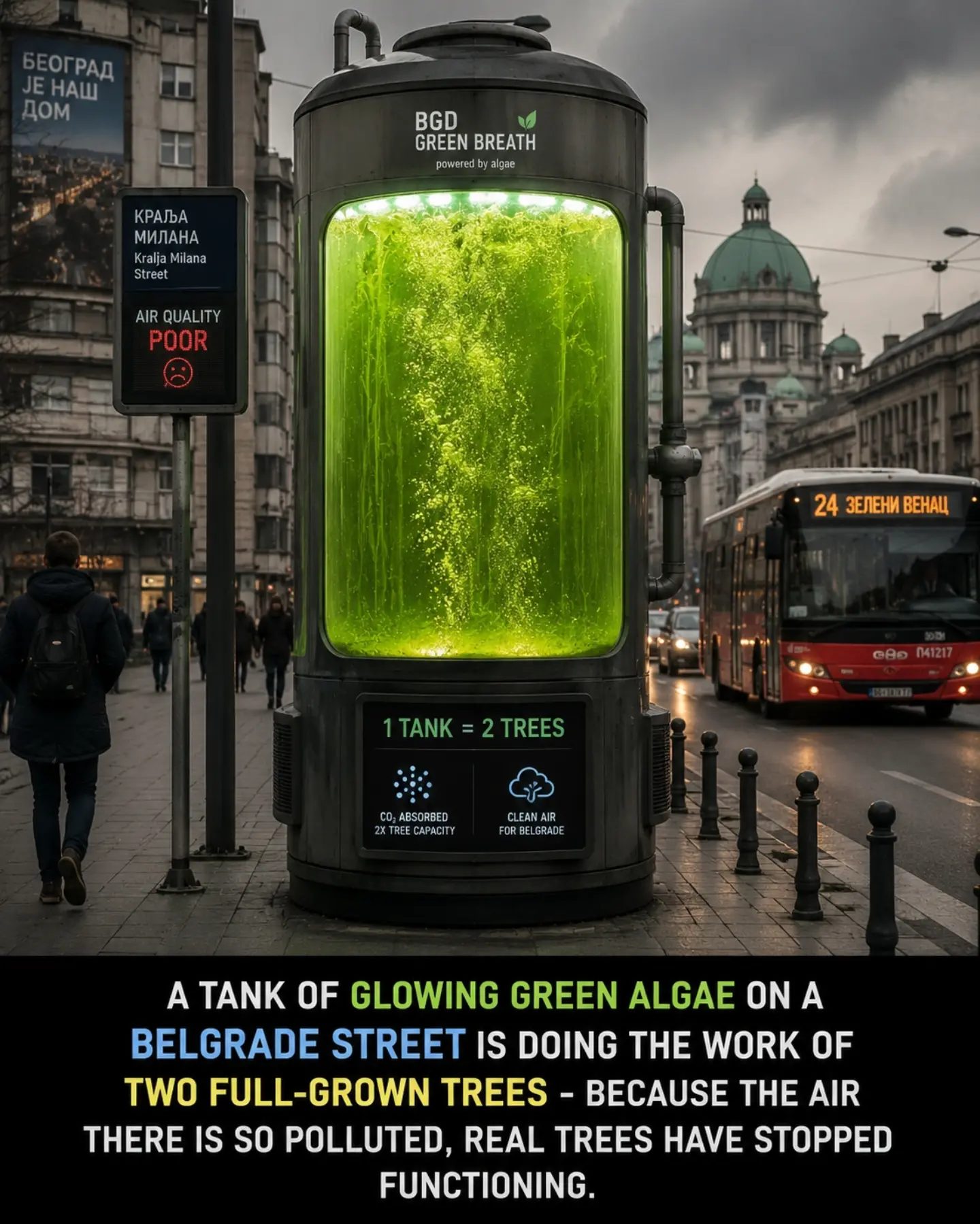
Air-Purifying Algae Installations: A Breath of Clean Air in Polluted Cities
Air-purifying algae installations represent a innovative approach to combating air pollution in urban environments. These installations, such as those developed by BGD Green Breath, harness the natural abilities of algae to absorb carbon dioxide (CO2), providing a unique solution to the challenges posed by heavily polluted cities.
Why This Matters
In many urban areas, air pollution is a significant concern, often leading to poor air quality that affects both the environment and public health. Traditional methods of mitigating air pollution, such as planting trees, are sometimes ineffective in areas with severe pollution. Air-purifying algae installations offer an alternative approach by utilizing algae, which can absorb CO2 and produce oxygen, much like trees. This makes them a valuable tool in the fight against urban air pollution, especially in areas where natural trees struggle to survive.
Air-Purifying Algae: How It Works
The Science Behind Algae-Based Air Purification
Algae are single-celled organisms that, through the process of photosynthesis, convert CO2 and sunlight into oxygen and organic compounds. This natural process makes algae highly effective at removing CO2 from the air. Air-purifying algae installations work by cultivating large quantities of algae in controlled environments. These algae are then exposed to the polluted air, where they absorb CO2 and release oxygen, effectively purifying the air.
BGD Green Breath: A Pioneering Installation
BGD Green Breath has developed a large, cylindrical installation filled with glowing green algae. This installation is designed to be placed in urban areas with severe air pollution, such as busy streets or industrial zones. The algae within the installation absorb CO2, making the surrounding air cleaner. The installation is positioned as an alternative to trees in environments where real trees have stopped functioning due to high pollution levels.
The Benefits of Air-Purifying Algae Installations
One of the key benefits of air-purifying algae installations is their ability to absorb CO2 at a rate comparable to that of multiple trees. For example, a single BGD Green Breath installation can absorb CO2 equivalent to two full-grown trees. This makes these installations a highly efficient solution for improving air quality in urban areas.
Practical Tips for Implementing Air-Purifying Algae Installations
Location and Placement
When considering where to place air-purifying algae installations, it's important to choose locations with high levels of air pollution. Busy streets, industrial zones, and areas with poor air quality are ideal candidates. The installations should be placed in areas where they can maximize exposure to polluted air, ensuring optimal CO2 absorption.
Maintenance and Upkeep
Regular maintenance is crucial to ensure the effectiveness of air-purifying algae installations. This includes monitoring the algae's health, ensuring adequate sunlight and nutrient supply, and periodically replacing the algae to maintain optimal CO2 absorption. Proper maintenance ensures that the installations continue to function effectively over time.
Public Awareness and Engagement
Increasing public awareness about the benefits of air-purifying algae installations can foster community support and engagement. Educating the public on how these installations work and their positive impact on air quality can encourage greater acceptance and participation in environmental initiatives. Community involvement can also help in the monitoring and maintenance of these installations, ensuring their long-term success.
Community Involvement
Engaging the local community in the installation and maintenance of air-purifying algae installations can enhance their effectiveness. Community involvement can help in monitoring the installations, reporting any issues, and providing feedback on their performance. This collaborative approach can lead to better outcomes and greater community ownership of environmental initiatives.
Important Takeaways
Air-purifying algae installations, such as those developed by BGD Green Breath, offer a promising solution to urban air pollution. By harnessing the natural abilities of algae to absorb CO2 and produce oxygen, these installations can significantly improve air quality in heavily polluted areas. Proper placement, maintenance, and community engagement are key factors in ensuring the success and effectiveness of these installations.
Conclusion
Air-purifying algae installations are a groundbreaking approach to addressing urban air pollution. By leveraging the natural capabilities of algae, these installations provide a sustainable and effective solution to improving air quality in heavily polluted environments. As cities continue to grapple with the challenges of air pollution, air-purifying algae installations offer a valuable tool in the fight for cleaner, healthier urban environments. Whether in Belgrade or any other city facing similar issues, these installations represent a step towards a greener, more breathable future.
Watch the Reel
Questions readers ask
How do algae air purification systems work?
Algae air purification systems, like those used by BGD Green Breath, function by utilizing algae's natural ability to absorb carbon dioxide (CO2) and release oxygen. These systems are installed in heavily polluted areas, where they continuously filter the air, reducing CO2 levels and improving overall air quality.
What makes BGD Green Breath's approach unique?
BGD Green Breath stands out by using large cylindrical algae installations to combat air pollution. These installations are designed to maximize the surface area for algae growth, enhancing their CO2 absorption capacity. This innovative design is particularly effective in urban environments with high pollution levels.
How does BGD Green Breath help improve air quality in Belgrade?
By deploying algae installations in strategic locations, BGD Green Breath helps to remove significant amounts of CO2 from the air. This leads to a reduction in greenhouse gas emissions and an increase in oxygen levels, contributing to cleaner and healthier air for the residents of Belgrade.
What are the benefits of using algae for pollution control?
Algae offer several benefits for pollution control, including their ability to absorb CO2 efficiently, their low maintenance requirements, and their eco-friendly nature. Additionally, algae can be harvested and used for various purposes, such as biofuel production, making them a sustainable solution for urban air pollution.
What are the benefits of urban green installations, like the ones in Belgrade?
Urban green installations, such as Belgrade's algae projects, offer numerous benefits, including improved air quality, enhanced biodiversity, and a reduction in urban heat island effects. These installations can also contribute to a more pleasant urban landscape, promoting mental well-being and overall quality of life in cities.
What other cities can learn from Belgrade's algae installations?
Belgrade's algae installations demonstrate an effective, eco-friendly approach to urban air pollution. Other cities can learn from this model by investing in similar green technologies, which can help mitigate pollution and improve public health. This can be especially beneficial for cities struggling with severe air pollution.
How can I support or learn more about algae-based pollution solutions?
To support or learn more about algae-based pollution solutions, you can follow initiatives like BGD Green Breath and other similar projects. Staying informed about their progress and engaging with local environmental groups can help promote these green technologies. Additionally, you can advocate for more urban green installations in your community.
Related deep dives
Similar reads based on topic and creator.




Recent articles
Fresh deep dives from the latest Reels we unpacked.




Comments
Be the first to comment.