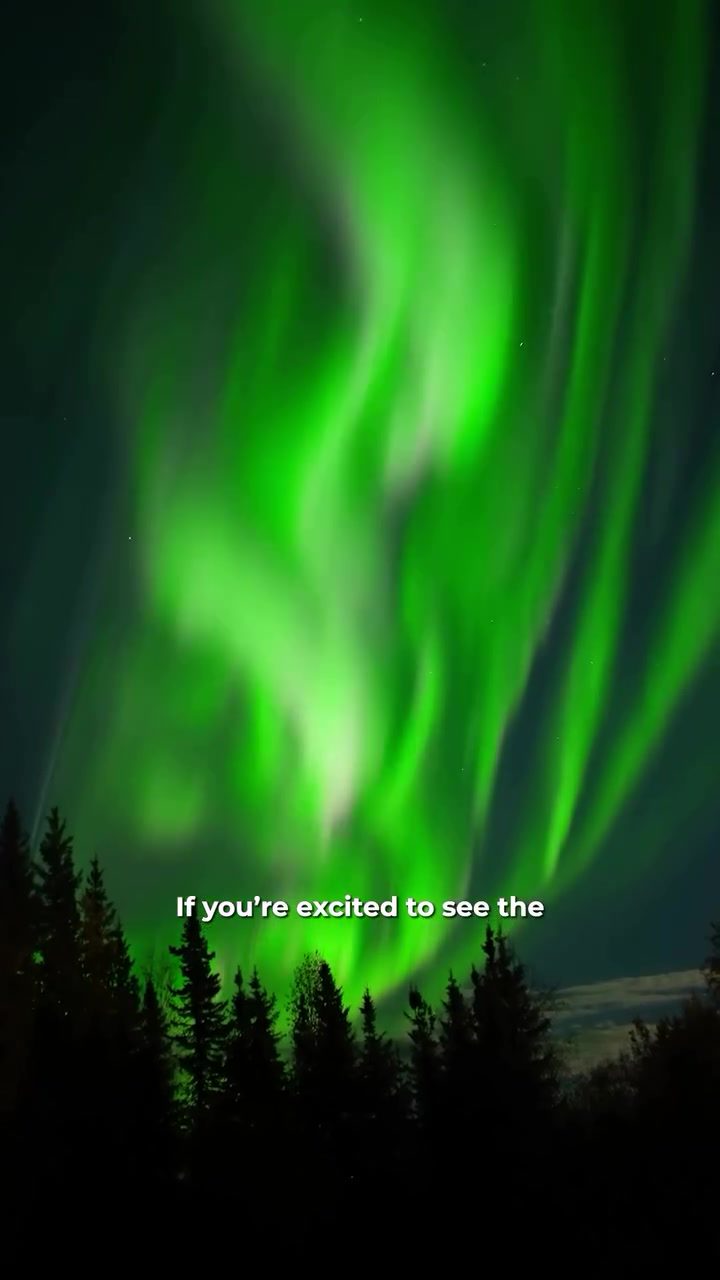
Fairbanks, Alaska: The Ultimate Destination for Viewing the Northern Lights
Fairbanks, Alaska, is renowned for its breathtaking displays of the aurora borealis, also known as the Northern Lights. Nestled in the heart of the "Auroral Oval," a ring-shaped zone around the magnetic poles where aurora activity is strongest, Fairbanks offers some of the most consistent and spectacular views of this natural phenomenon. With an impressive 243 nights of aurora activity each year, visitors have a 90% chance of witnessing the lights if they stay for at least three nights. The city's clear skies, low precipitation, and inland location provide optimal viewing conditions, often allowing viewers to see the lights even when they are too faint to be visible from Anchorage.
Why Fairbanks Matters for Northern Lights Enthusiasts
The aurora borealis is a mesmerizing natural light display that occurs when charged particles from the sun interact with Earth's magnetic field. This interaction causes the atmosphere to light up in a variety of colors, including vibrant greens, reds, and pinks. Fairbanks' location within the Auroral Oval makes it an ideal spot for viewing this phenomenon. The long dark nights from mid-August to mid-April create the perfect conditions for witnessing the lights, with peak viewing months from October to March.
The Best Spots to View the Northern Lights in Fairbanks
Chena Hot Springs Resort
Chena Hot Springs Resort is a popular destination for aurora viewing. The resort offers a unique experience with its geothermal hot springs, which provide a relaxing way to warm up after spending hours outdoors. The resort's remote location and minimal light pollution make it an ideal spot for viewing the Northern Lights. Additionally, the resort often hosts aurora viewing events and provides guides who can help visitors navigate the best viewing spots.
Cleary Summit
Cleary Summit is another excellent location for aurora viewing. Situated just a short drive from Fairbanks, this summit offers panoramic views of the surrounding wilderness and the night sky. The lack of light pollution and clear skies make it a favorite spot for both locals and tourists. Visitors can enjoy the serene environment while waiting for the lights to make their appearance.
Creamer's Field
Creamer's Field is a wildlife refuge located on the outskirts of Fairbanks. The open fields and clear skies make it a prime location for aurora viewing. During the winter months, the refuge is home to a variety of wildlife, adding an extra layer of beauty to the experience. Visitors can also enjoy hiking trails and wildlife viewing opportunities during the day.
North Pole, Alaska
Just a 20-minute drive from Fairbanks, North Pole, Alaska, adds a festive touch to your aurora viewing adventure. The town is famous for its festive decorations along Santa Claus Lane, making it a whimsical and memorable location. The nearby wilderness and clear skies offer excellent viewing conditions, and the town's unique charm makes it a must-visit destination.
Tips for Enhancing Your Northern Lights Experience
Monitor the Aurora Forecast
Before planning your trip, it's essential to check the aurora forecast. Weather conditions and solar activity can significantly impact visibility. Monitoring the forecast can help you plan your outings during the best times for viewing. Aim for clear skies and check solar storm predictions, as these can enhance the vibrancy and intensity of the lights.
Choose the Right Time
The best time to view the aurora borealis in Fairbanks is between 10 p.m. and 3 a.m. During this period, darkness is at its peak, and the lights are more likely to be visible. Planning your outings during these hours can increase your chances of witnessing the best displays.
Prepare for the Weather
Fairbanks' winter weather can be harsh, with temperatures dropping well below freezing. Dress in layers and wear insulated clothing to stay warm. Don’t forget essentials like a hat, gloves, and warm boots. Carrying a portable heater or a thermos of hot liquid can also make your waiting time more comfortable.
Bring the Right Equipment
While the Northern Lights are a natural phenomenon, capturing their beauty requires the right equipment. Invest in a good camera with manual settings, a sturdy tripod, and a remote shutter release. Wide-angle lenses are ideal for capturing the expansive sky. Additionally, a headlamp with a red-light setting can help you navigate in the dark without disturbing the night vision.
Be Patient and Persistent
Viewing the Northern Lights can require a lot of patience. Sometimes, the lights may take hours to appear, and the weather can be unpredictable. Staying focused and persistent can lead to a rewarding experience. If you don't see the lights on your first attempt, don't be disheartened. The long dark nights in Fairbanks increase your chances of witnessing the display on subsequent visits.
Important Takeaways
- Best Time to Visit: Plan your trip between mid-August and mid-April, with peak months being October to March.
- Best Spots: Chena Hot Springs Resort, Cleary Summit, Creamer's Field, and North Pole, Alaska.
- Weather and Forecast: Check the aurora forecast and aim for clear skies. Monitor solar storm predictions for enhanced visibility.
- Timing: Plan your outings between 10 p.m. and 3 a.m. for the best chances of seeing the lights.
- Prepare for Winter: Dress in layers and bring essential gear like a camera with manual settings, a tripod, and a headlamp.
Conclusion
Fairbanks, Alaska, is a dream destination for anyone eager to witness the awe-inspiring Northern Lights. With its strategic location within the Auroral Oval, clear skies, and serene wilderness, Fairbanks offers an unforgettable experience. From Chena Hot Springs Resort to the charming town of North Pole, there are numerous spots to explore and enjoy the natural beauty of the aurora borealis. Whether you're a seasoned traveler or a first-time viewer, Fairbanks promises a magical journey under the dancing lights of the night sky.
Watch the Reel
Questions readers ask
What makes Fairbanks one of the best places to see the Northern Lights?
Fairbanks is located in the heart of the 'Auroral Oval,' where aurora activity is most concentrated. The city offers clear skies, low precipitation, and minimal light pollution, providing optimal conditions for viewing the aurora borealis.
How many nights per year does Fairbanks experience Northern Lights activity?
Fairbanks experiences Northern Lights activity on 243 nights of the year.
What are my chances of seeing the Northern Lights if I visit Fairbanks for three nights?
If you stay in Fairbanks for at least three nights, you have a 90% chance of witnessing the Northern Lights.
Why is Fairbanks better for viewing the Northern Lights than Anchorage?
Fairbanks is often better for viewing the Northern Lights because it is inland and has lower light pollution compared to Anchorage. The lights are often visible in Fairbanks even when they are too faint to be seen in Anchorage.
When is the best time to visit Fairbanks for viewing the Northern Lights?
The best time to visit Fairbanks for viewing the Northern Lights is during the winter months, from late August to mid-April, when nights are longest and darkest. The peak viewing months are typically from September to April.
Do I need special equipment to view the Northern Lights in Fairbanks?
No special equipment is needed to view the Northern Lights in Fairbanks. However, dressing warmly and bringing a camera with a tripod can enhance your experience and allow you to capture the stunning displays.
Related deep dives
Similar reads based on topic and creator.




Recent articles
Fresh deep dives from the latest Reels we unpacked.




Comments
Be the first to comment.