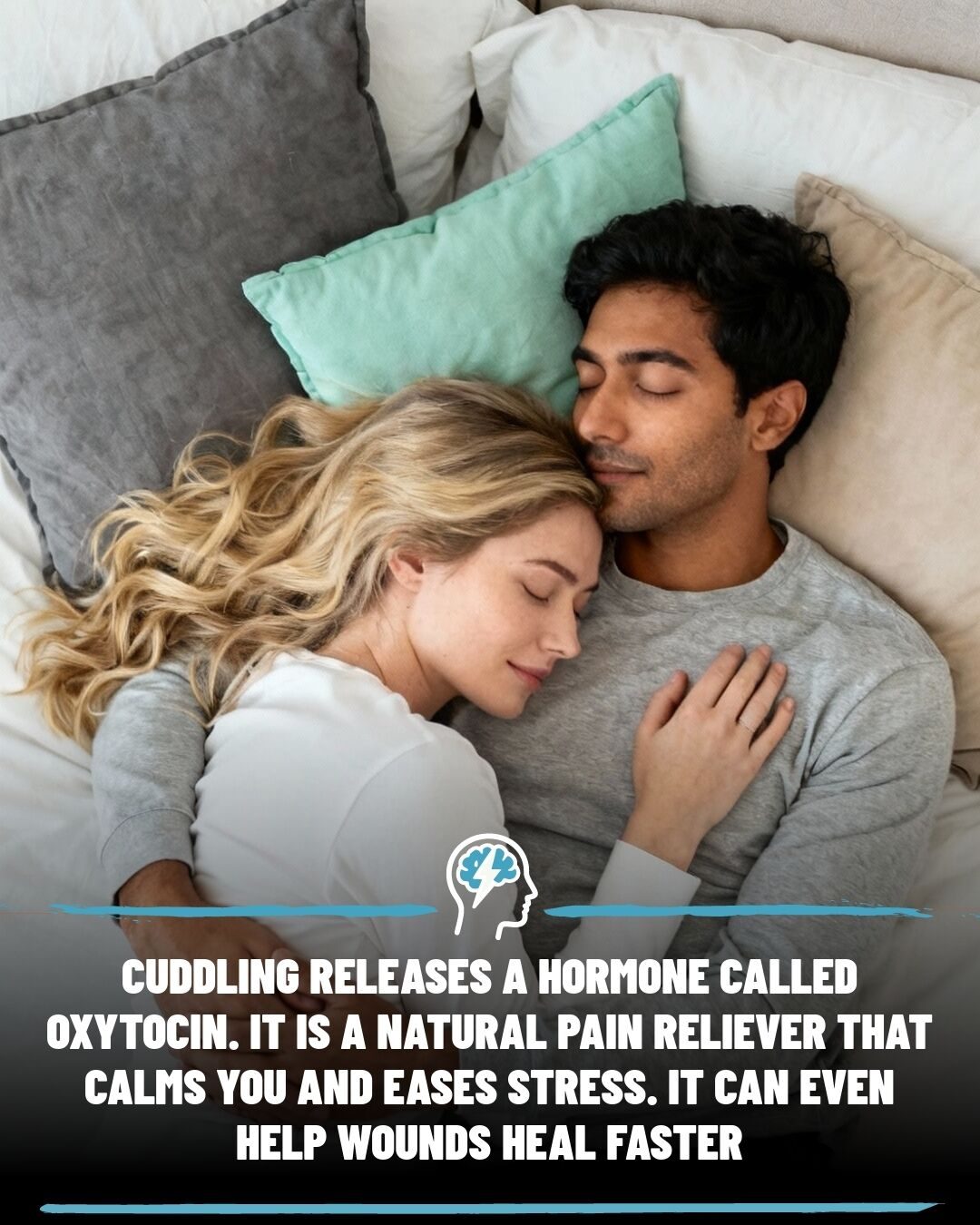
The Science of Cuddling: Oxytocin, Pain Relief, and Stress Reduction
Physical touch, especially cuddling, often conveys a sense of warmth and security. This practice does more than just boost your mood; it has tangible effects on the body and mind, particularly through the release of oxytocin.
Why This Matters
Oxytocin, often referred to as the "bonding hormone," plays a crucial role in social bonding, stress reduction, and pain management. Understanding how cuddling affects the release of this hormone can provide insights into how to manage stress and alleviate pain.
Pain Sensitivity Reduction
Oxytocin has been shown to reduce pain sensitivity in some individuals. A double-blind, placebo-controlled study found that intranasal oxytocin led to a 7% reduction in subjective pain intensity compared to a placebo. This suggests that oxytocin might be a useful tool in managing pain, though more research is needed to confirm these findings.
Brain and Spinal Cord Activation
Oxytocin works by activating inhibitory circuits in the spinal cord, which can reduce pain signaling to the brain. It also modulates activity in brain regions involved in pain processing. Some researchers believe that the pain-relieving effects of oxytocin may be partly indirect, working through anxiety reduction and mood enhancement. This dual mechanism could provide a more comprehensive approach to pain management.
Mixed Evidence and Specific Conditions
The evidence on oxytocin's pain-relieving properties is mixed. While some studies show promising results, a 2023 meta-analysis of multiple trials found that the overall effects were not statistically significant when pooled together. This suggests that the pain-relieving effects of oxytocin might be condition-specific, showing more promise for chronic back pain, abdominal discomfort, and migraines.
Biological sex and chronic pain history likely influence how individuals respond to oxytocin. This underscores the need for personalized treatment plans that take these factors into account.
Stress and Anxiety Reduction
Cuddling not only helps with pain relief but also plays a significant role in reducing stress and anxiety. Oxytocin is a natural stress reliever that can calm the mind and body, promoting a sense of well-being. This hormone helps to lower cortisol levels, the body's primary stress hormone, thereby reducing feelings of anxiety and tension.
Enhanced Wound Healing
The benefits of cuddling extend beyond pain relief and stress reduction. Oxytocin can also aid in wound healing. Studies have shown that it can accelerate the healing process by enhancing the immune response and promoting cell regeneration. This makes cuddling a valuable practice for overall health and recovery.
Practical Tips for Maximizing the Benefits of Cuddling
To fully enjoy the benefits of cuddling, consider the following tips:
Create a Comfortable Environment
Ensure that the space you choose for cuddling is warm, cozy, and free from distractions. Soft pillows, blankets, and dim lighting can create a relaxing atmosphere that enhances the experience.
Be Mindful and Present
Pay attention to your partner's needs and your own. Mindfulness helps you fully engage in the moment, allowing you to reap the full benefits of physical touch. Practice deep breathing and focus on the sensation of closeness.
Incorporate Regular Cuddle Sessions
Consistency is key when it comes to harnessing the benefits of cuddling. Try to incorporate regular cuddle sessions into your routine, whether it's before bed, during a movie, or just as a quiet moment to connect.
Important Takeaways
The act of cuddling and the release of oxytocin can have profound effects on both physical and mental well-being. While the evidence on pain relief is mixed, cuddling clearly has stress-reducing and mood-enhancing properties. It can also aid in wound healing, making it a beneficial practice for overall health.
Conclusion
Cuddling is more than just a comforting gesture; it has tangible health benefits supported by scientific research. From reducing pain sensitivity to alleviating stress and enhancing wound healing, the release of oxytocin during cuddling can significantly improve your well-being. By incorporating regular cuddle sessions into your routine, you can harness these benefits and support your overall health and happiness.
Watch the Reel
Questions readers ask
How does cuddling help reduce stress and pain?
Cuddling triggers the release of oxytocin, a hormone that can help lower stress levels by promoting a sense of calm and reducing the body's physiological response to stress. Additionally, oxytocin can decrease pain sensitivity, making it an effective, natural method for pain management and relief.
What is oxytocin, and how does it relate to cuddling?
Oxytocin is a hormone often referred to as the 'bonding hormone' or 'cuddle hormone' due to its role in promoting connection, bonding, and relaxation. During cuddling, the body releases oxytocin, which contributes to the feelings of warmth, security, and stress relief associated with this activity.
Can cuddling really improve my mood?
Yes, cuddling can enhance your mood by increasing the levels of oxytocin in the body. This hormone has a direct effect on the brain, promoting a sense of well-being, relaxation, and happiness, which can help counteract feelings of depression, anxiety, and stress.
How does cuddling impact the brain and body?
When you cuddle, the brain releases oxytocin, which interacts with the reward and pleasure centers in the brain. This process can lead to a reduction in stress hormones, such as cortisol, and even a decrease in blood pressure, thereby promoting overall physical and mental relaxation.
Is there research supporting the benefits of cuddling for stress relief and pain management?
Yes, there is substantial research indicating that cuddling, through the release of oxytocin, can reduce both stress and pain. Studies, including double-blind, placebo-controlled trials, have shown that oxytocin can decrease pain sensitivity and alleviate stress, making cuddling a viable, natural option for managing these issues.
How does the duration of cuddling affect its benefits?
While even brief moments of cuddling can trigger oxytocin release, longer cuddling sessions can enhance and prolong the benefits. Extended periods of close, affectionate touch can lead to sustained increases in oxytocin levels, resulting in more pronounced effects on stress reduction, pain management, and mood enhancement.
Can cuddling with a pet provide similar benefits to cuddling with a human?
Yes, cuddling with a pet can also release oxytocin and provide similar benefits, although the effects may vary in intensity. Interacting with pets has been shown to reduce stress, lower blood pressure, and improve mood, making it a beneficial activity for those who may not have human companionship available.
Related deep dives
Similar reads based on topic and creator.




Recent articles
Fresh deep dives from the latest Reels we unpacked.




Comments
Be the first to comment.