Time Perception and Historical Facts
Time is a mysterious and relative concept, and historical events often seem distant and disconnected from our daily lives. However, when viewed through the lens of unexpected connections and comparisons, history can feel surprisingly close. Understanding the proximity of historical figures and events to our modern era can provide a fresh perspective on time itself.
Context: Why This Matters
Historical facts are often presented in a linear, distant manner, making it easy to overlook the connections between past and present. By highlighting surprising proximities, we can gain a deeper appreciation for the continuous flow of time and the interconnectedness of historical events. This can also help to demystify history, making it more relatable and accessible.
Main Discussion
The Aging Process and Time Perception
The act of aging is a universal experience, but it's often overlooked how the passage of time affects our perception of age. Every second brings us closer to the ages of those who are currently older than us. Consider this: the number of people older than you can never increase. This is a fascinating reminder of our constant journey through time and the relentless march of aging. It also highlights the finite nature of life, as eventually, some of those who were once older will no longer be with us.
Cleopatra's Temporal Proximity
One of the most striking revelations is that Cleopatra, the ancient Egyptian queen, lived closer to the invention of TikTok than to the construction of the Great Pyramid of Giza. Cleopatra ruled Egypt and died in 30 BCE, while the Great Pyramid was completed around 2560 BCE, more than 2,500 years before her lifetime. This comparison underscores how recent history can feel when viewed in relation to more distant pasts. The Great Pyramid of Giza, a monumental achievement of ancient engineering, is often seen as a relic of a distant era. However, it was actually constructed around 2500 BCE, making it closer in time to the advent of TikTok than to the reign of Cleopatra. This contrast helps to contextualize the vast expanse of history and how recent innovations are in relation to ancient wonders.
The Evolution of Dinosaur Understanding
Humans living before the early 19th century had no scientific understanding of dinosaurs as we know them today. The word "dinosaur" was not coined until 1842, after fossil discoveries began changing how people understood Earth's prehistoric past. Before this period, people had different interpretations and beliefs about the ancient creatures whose remains were being unearthed, but the modern scientific understanding of dinosaurs was still far in the future. This highlights the evolving nature of scientific knowledge and how our understanding of the past has progressed over time.
Contemporary Coexistence
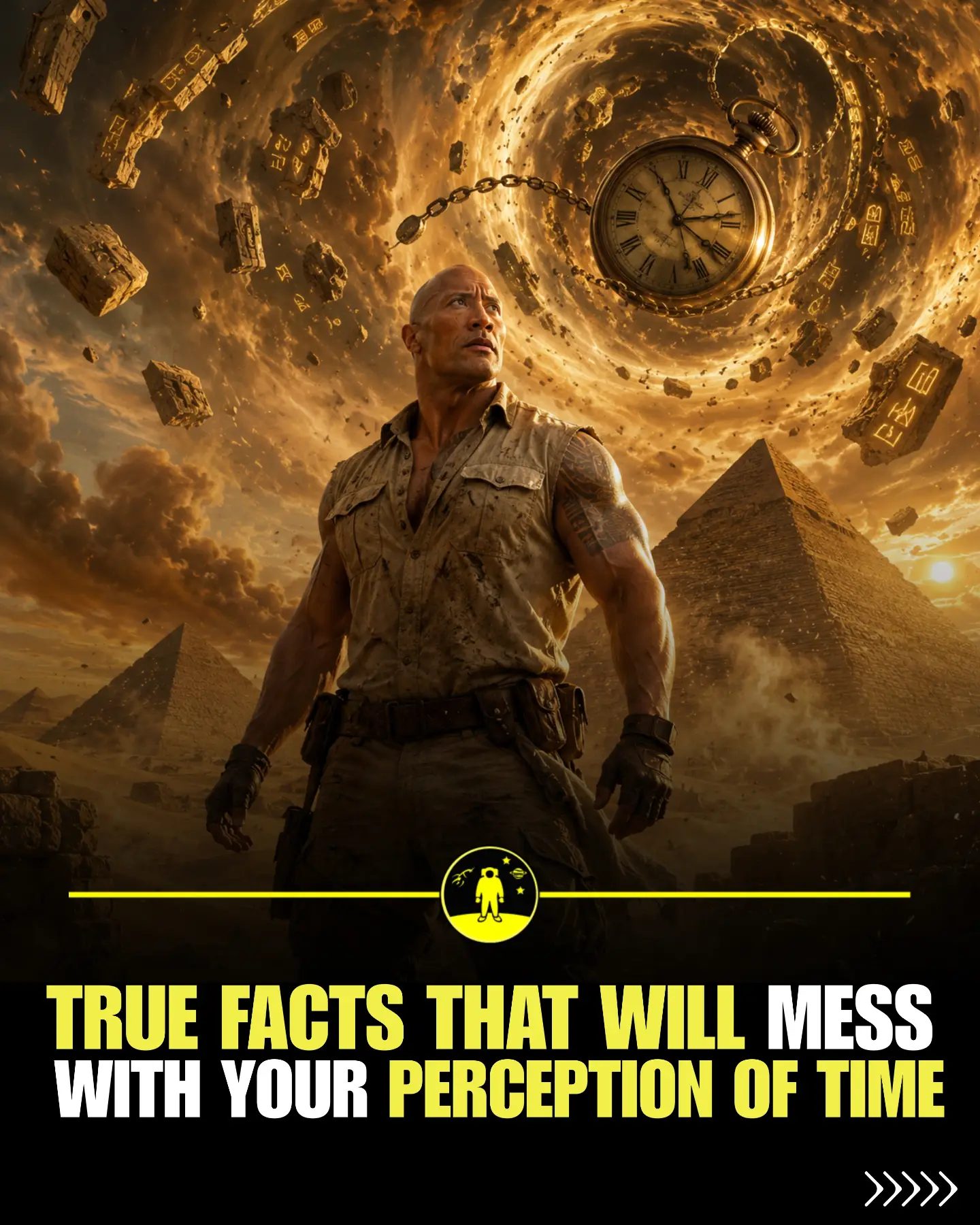
Pablo Picasso and Dwayne "The Rock" Johnson, icons from two vastly different eras, were actually alive at the same time. Pablo Picasso, the renowned Spanish painter, died in 1973. Meanwhile, Dwayne "The Rock" Johnson, the famous wrestler and actor, was born in 1972. This surprising temporal overlap is a poignant reminder of how the lives of influential figures can intersect across generations.
Historical Coincidences
Nintendo, the iconic video game company, was founded in 1889, the same year the Jack the Ripper murders were an active and unresolved mystery in London. This unexpected juxtaposition of a modern entertainment giant with one of history's most infamous unsolved crimes illustrates the simultaneous unfolding of significant events. It showcases how different aspects of history can coexist and influence each other, even if they seem light-years apart in terms of cultural impact.
Practical Tips
Understanding the proximity of historical events can be a powerful tool for enhancing your appreciation of history. Here are some practical tips for contextualizing historical facts:
- Use Comparisons: Compare dates and events to modern landmarks to gain a better understanding of their temporal proximity.
- Visualize Timelines: Create visual timelines that include both historical and modern events to see how they intersect.
- Explore Overlapping Eras: Research famous figures and events from different eras to discover surprising overlaps.
Important Takeaways
- History is more interconnected than it often feels. Events and figures from different eras can be closer in time than we realize.
- Our understanding of the past evolves over time, and new discoveries continue to reshape our knowledge.
- Contemporary figures, like Dwayne "The Rock" Johnson and Pablo Picasso, can share the same timeframe, highlighting the interconnectedness of history.
Conclusion
By challenging our traditional views of historical timelines and embracing surprising connections, we can gain a more nuanced understanding of time and history. This can enrich our perspective and make the past feel more alive and relevant to our present. Whether it's the discovery of dinosaurs, the construction of pyramids, or the founding of Nintendo, every piece of history is a thread in the intricate tapestry of time. Understanding these threads can give us a deeper appreciation for the continuous flow of history and its connections to the present.
Watch the Reel
Questions readers ask
How close is Cleopatra to the modern era?
Cleopatra lived closer to the invention of TikTok in 2016 than to the construction of the Great Pyramid around 2560 BCE. This proximity highlights how quickly the past becomes present, with Cleopatra living about 2,068 years ago, while TikTok's invention occurred a mere 35 years ago.
How can understanding historical timelines enhance my appreciation for history?
By examining historical timelines, you can better understand the proximity of iconic figures to modern times. For instance, Pablo Picasso, born in 1881, lived closer to the present day than to the fall of the Roman Empire in 476 CE, making it easier to connect with history in a more tangible way.
What are some surprising connections between historical figures and our modern era?
One surprising connection is Dwayne 'The Rock' Johnson, who has a timeline that intersects with notable historical figures. For example, he was born in 1972, which is closer to the end of World War II than to the construction of the Parthenon, and he lived closer to the invention of TikTok than to the Renaissance.
Why does history often feel distant and disconnected?
History often feels distant because it is typically presented in a linear timeline, making it hard to grasp the true proximity of historical events to our modern lives. By highlighting unexpected connections, we can demystify history and make it more relatable, bringing the past closer to the present.
Who lived closer to the invention of TikTok: Cleopatra or Pablo Picasso?
Pablo Picasso lived closer to the invention of TikTok than Cleopatra did. Picasso was born in 1881 and passed away in 1973, living just 43 years before TikTok's creation. While Cleopatra lived around 30 BCE, her timeline is still closer to TikTok than to the construction of the pyramids.
Related deep dives
Similar reads based on topic and creator.



Recent articles
Fresh deep dives from the latest Reels we unpacked.




Comments
Be the first to comment.