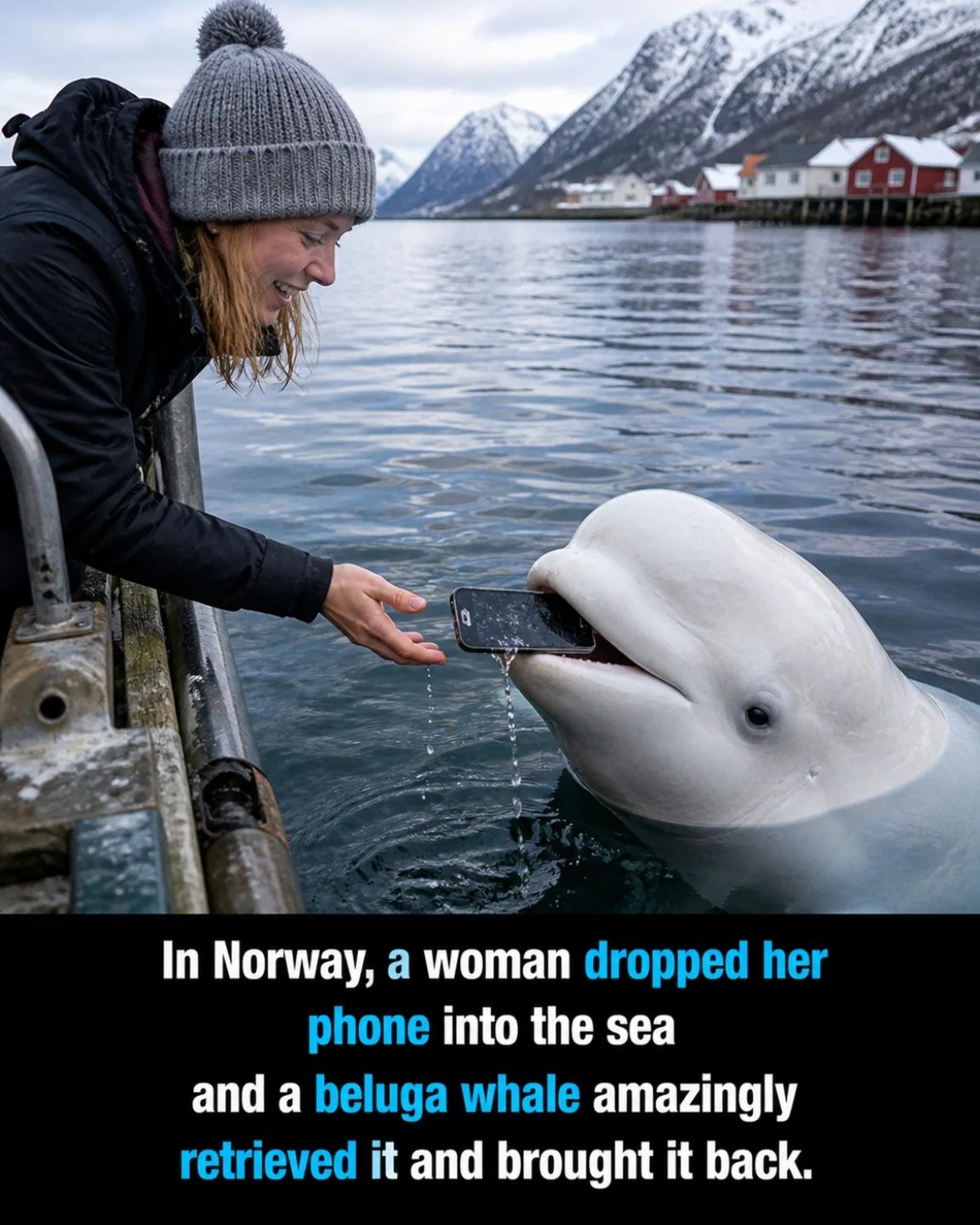
The Incredible Encounter: A Beluga Whale’s Unlikely Rescue Mission in Norway
How often do you think about the possibility of a beluga whale retrieving your smartphone? This happened in a truly remarkable encounter in Norway. A woman accidentally dropped her phone into the sea, and what happened next was nothing short of astonishing. A beluga whale swam up and retrieved the phone, bringing it back to her. This unique incident highlights the unexpected ways marine life can interact with human technology and has left many fascinated by the unexpected intelligence and curiosity of these magnificent creatures.
Context / Why This Matters
The unexpected retrieval of a smartphone by a beluga whale in Norway raises several interesting questions and considerations. Firstly, it highlights the intelligence and adaptive behavior of marine mammals. Beluga whales are known for their playful and curious nature, but this incident showcases their ability to understand and interact with human objects.
Secondly, it emphasizes the connection between humans and marine life in an unexpected yet meaningful way. This encounter reminds us of the delicate ecosystems in which these creatures live and how human activities can impact them.
Main Discussion
The Beluga Whale's Behavior
Beluga whales, also known as white whales, are renowned for their intelligence and social behavior. They are known to exhibit curiosity towards unfamiliar objects and can be quite playful. The incident in Norway provides a unique glimpse into how these whales might interact with human technology.
The retrieval of the smartphone by the beluga whale suggests a level of curiosity and perhaps a bit of playfulness. It’s possible that the whale mistook the phone for a toy or simply found it interesting enough to bring back to the surface. This behavior aligns with previous observations of beluga whales interacting with various objects in their environment.
The Role of Technology in Marine Life
The fact that a smartphone was retrieved by a beluga whale also raises questions about the role of technology in marine environments. As more people venture into coastal areas and engage in water activities, the chances of encounters between marine life and human technology increase. These encounters can have both positive and negative impacts.
On one hand, marine life might benefit from human technology in unexpected ways, such as through the retrieval of lost items. On the other hand, these encounters can also be detrimental if the items are harmful to the environment or the creatures themselves. It’s crucial to understand these interactions to ensure the safety and well-being of both humans and marine life.
Practical Tips
Accidental drops of smartphones into bodies of water happen more frequently than one might think. While it’s impossible to predict an encounter with a beluga whale, there are some practical steps you can take to minimize the risk of losing your smartphone to the sea:
-
Use a Waterproof Case: Investing in a good waterproof case can protect your smartphone from water damage and ensure it stays functional even if it gets wet.
-
Keep Your Phone Secure: When near bodies of water, make sure to keep your phone in a secure pocket or bag to prevent accidental drops.
-
Avoid Distractions: While enjoying outdoor activities, be mindful of your surroundings and avoid distractions that might lead to accidents.
-
Respect Marine Life: Always maintain a safe distance from marine animals and avoid interacting with them directly. This ensures the safety and well-being of both humans and wildlife.
Important Takeaways
-
Curiosity and Intelligence: The beluga whale’s behavior highlights the curiosity and intelligence of marine mammals and their ability to interact with human objects.
-
Unexpected Encounters: This incident underscores the possibility of unexpected and meaningful encounters between humans and marine life.
-
Technology and Marine Life: As technology continues to advance, so too will the ways in which humans and marine life interact. It’s important to understand and respect these interactions to ensure the safety of both.
Conclusion
The retrieval of a smartphone by a beluga whale in Norway serves as a captivating reminder of the unexpected ways humans and marine life can interact. This encounter highlights the intelligence and curiosity of beluga whales and raises important considerations about the role of technology in marine environments. By understanding and respecting these interactions, we can better protect both marine life and our own adventures in the natural world.
Watch the Reel
Questions readers ask
Why would a beluga whale retrieve a human's phone?
Beluga whales are known for their curiosity and intelligence. While it's not clear why the whale retrieved the phone, it's possible that the whale was attracted to the object's unusual appearance, color, or the sounds it might have made. It does not suggest any deeper understanding of the object's importance to the woman.
Are these kinds of interactions common?
Interactions between beluga whales and humans are not typical, but they are not unheard of. Beluga whales can be surprisingly playful and inquisitive, and they may approach humans or human objects out of curiosity. However, this specific behavior of retrieving a phone is incredibly rare.
What should you do if a beluga whale approaches you while you're on a boat?
If a beluga whale approaches, stay calm and observe from a distance. Never attempt to touch or feed the whale, as this can be dangerous for both you and the animal. Enjoy the experience while ensuring the safety and well-being of the whale.
Do beluga whales pose a threat to humans?
Beluga whales are generally gentle giants and are not typically aggressive towards humans. However, like any wild animal, they should be treated with caution and respect. Keep a safe distance and avoid sudden movements or loud noises that could startle or provoke the animal.
How can we promote understanding and conservation of beluga whales?
Promoting understanding and conservation of beluga whales can be achieved by raising awareness about their natural habits, behaviors, and the threats they face. Encouraging responsible whale-watching practices and supporting organizations dedicated to protecting marine life and habitats can help ensure the well-being of these remarkable creatures.
What do beluga whales typically eat in the wild?
Beluga whales are carnivorous and their diet in the wild consists primarily of fish, crustaceans, and other marine invertebrates. They are opportunistic feeders and will adapt their diet based on the availability of food in their environment. Their feeding behavior can provide insights into the health of their marine ecosystem.
Related deep dives
Similar reads based on topic and creator.




Recent articles
Fresh deep dives from the latest Reels we unpacked.



Comments
Be the first to comment.