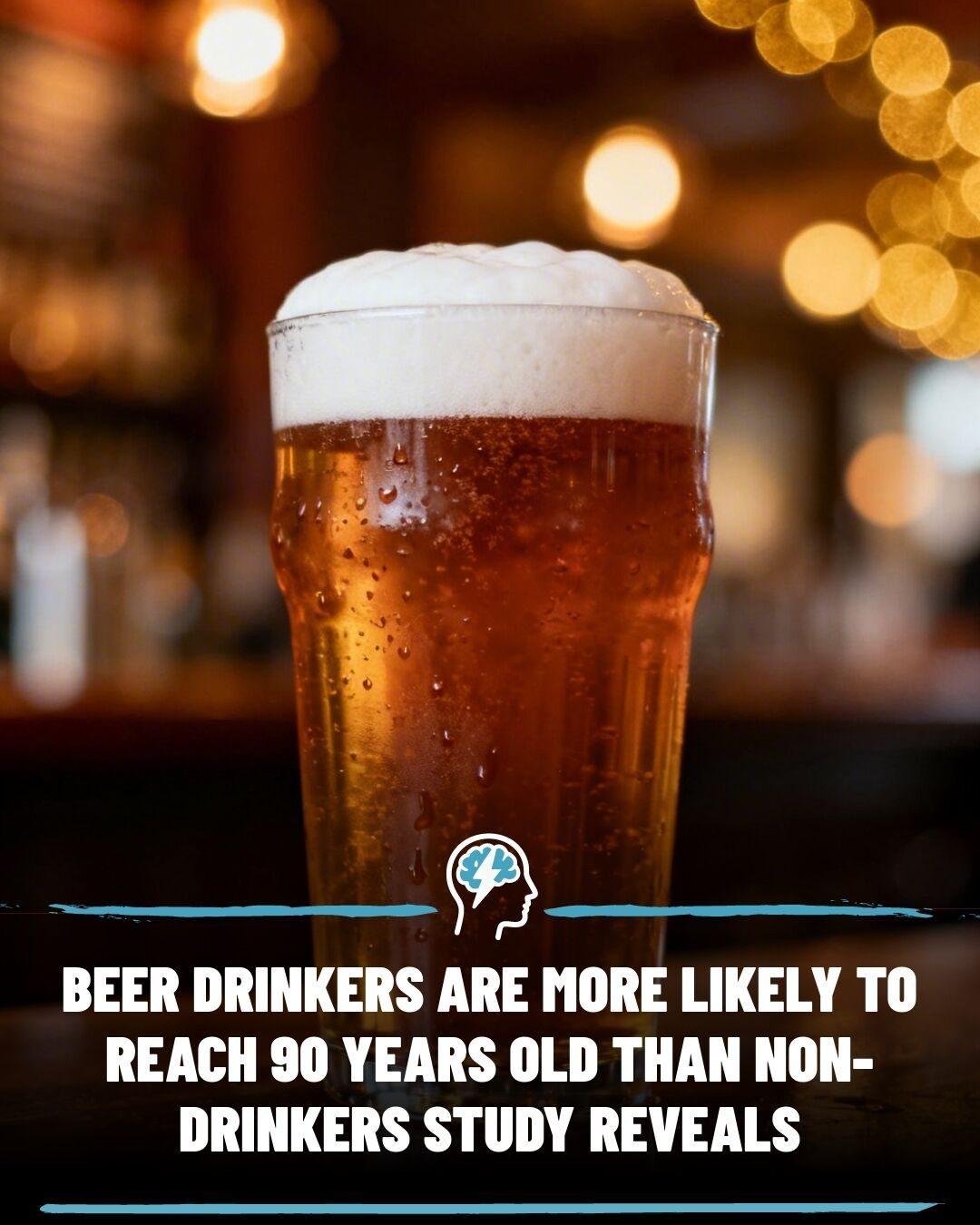
Beer and Longevity: What the Latest Research Reveals
The relationship between beer consumption and longevity has been a topic of interest for many researchers. Recent studies have challenged conventional wisdom, suggesting that the benefits of moderate drinking may not be as clear-cut as previously thought. Understanding these findings can help individuals make more informed choices about their alcohol consumption.
Context / Why this matters
For years, it was commonly believed that moderate drinking, particularly of beverages like red wine, could offer health benefits. This belief was supported by studies that seemed to show longer lifespans among moderate drinkers compared to non-drinkers. However, a closer examination of the research methodology has revealed significant flaws that call these findings into question.
The Evolution of Research on Alcohol and Longevity
Early Studies and Their Flaws
Earlier research often grouped former drinkers, including those who quit due to health issues, with lifelong abstainers. This grouping created a bias that made moderate drinkers appear healthier by comparison. This flaw has led to a re-evaluation of the perceived benefits of moderate alcohol consumption.
New Findings
A 2024 study following over 135,000 adults aged 60 and older found that even low-volume drinkers showed higher death rates, primarily from cancer and cardiovascular disease. This study corrected for the bias present in earlier research, providing a more accurate assessment of the risks associated with alcohol consumption. The study suggests that the apparent health advantages of moderate drinking may actually reflect other aspects of a healthier lifestyle, such as social connections and overall well-being, rather than the alcohol itself.
Reevaluating the Benefits of Social Drinking
The idea that moderate drinking can offer social benefits, such as fostering a relaxed dinner ritual or celebrating with friends, has been a part of the narrative around alcohol consumption. Experts now suggest that these social aspects may be the key factors contributing to healthier outcomes, rather than the alcohol. This perspective highlights the importance of social connections in maintaining overall health, independent of alcohol consumption.
Practical Tips for Making Informed Choices
Understanding the Risks
It's essential to recognize that the World Health Organization (WHO) stated in 2023 that there is no safe amount of alcohol that doesn't affect health. No major health organization has endorsed a risk-free level of consumption. This information underscores the importance of being informed about the potential risks associated with alcohol, even at low volumes.
Making Personal Decisions
If you don't currently drink, this research suggests there's no longevity benefit to starting. If you do drink, it's crucial to understand the updated findings to make more informed choices. Results vary by individual, and many factors influence health outcomes. It's about having accurate information so you can decide what works for your life.
Enjoying the Social Aspects
For those who enjoy social drinking, it's worth considering the role that social connections play in overall well-being. Fostering these connections through activities that don't involve alcohol can also be beneficial. Whether it's a relaxed dinner with friends or a celebration, there are many ways to enjoy these social benefits without alcohol.
Important Takeaways
- Reevaluate the Benefits: The supposed health benefits of moderate drinking have been called into question by recent research. It's important to consider the social and lifestyle factors that may be contributing to healthier outcomes in moderate drinkers.
- Understand the Risks: There is no safe amount of alcohol that doesn't affect health. Even low-volume drinkers have shown higher death rates, primarily from cancer and cardiovascular disease.
- Make Informed Choices: If you don't drink, there's no longevity benefit to starting. If you do drink, understanding the updated findings can help you make more informed choices about your alcohol consumption.
- Focus on Social Connections: The social aspects of drinking, such as celebrating with friends or enjoying a relaxed dinner, may be the key factors contributing to healthier outcomes. Fostering these connections through activities that don't involve alcohol can also be beneficial.
Conclusion
The relationship between beer consumption and longevity is complex and evolving. Recent studies have challenged the notion that moderate drinking offers clear health benefits, highlighting the importance of social connections and overall lifestyle in maintaining health. Understanding the risks and benefits of alcohol consumption can help individuals make more informed choices about their drinking habits. Whether you choose to drink or not, focusing on the social and lifestyle factors that contribute to overall well-being is crucial.
Watch the Reel
Questions readers ask
What did recent studies find about the relationship between moderate beer drinking and lifespan?
Recent studies suggest that moderate beer drinking may not extend lifespan as previously thought. Researchers have found higher death rates among even low-volume drinkers, indicating that the perceived health benefits might be due to social factors rather than the alcohol itself.
What are the social benefits that might account for perceived health advantages of beer drinking?
Social benefits such as increased social interaction, stress relief, and the enjoyment of a drink with friends can contribute to a sense of well-being. These factors can improve mental health and overall quality of life, which may have been misattributed to the consumption of beer itself.
How has the methodology of previous alcohol studies been criticized?
Previous studies on alcohol and longevity have been criticized for not accounting for the social aspects and health behaviors that often accompany moderate drinking. These studies may have overestimated the direct health benefits of alcohol by not fully considering these external factors.
What should individuals consider when evaluating the health impacts of moderate drinking?
Individuals should consider the broader context of their drinking habits and overall lifestyle. It's important to weigh the potential risks and benefits, understanding that any perceived benefits of moderate drinking might be influenced by social and behavioral factors, rather than the alcohol alone.
Are there any specific health benefits associated with beer consumption?
While some studies have suggested potential health benefits from certain compounds in beer, such as antioxidants, the overall consensus from recent research is that these benefits are not significant enough to outweigh the risks, especially when considering the potential effects on liver health, cardiovascular issues, cancer, and mortality.
Related deep dives
Similar reads based on topic and creator.



Recent articles
Fresh deep dives from the latest Reels we unpacked.




Comments
Be the first to comment.