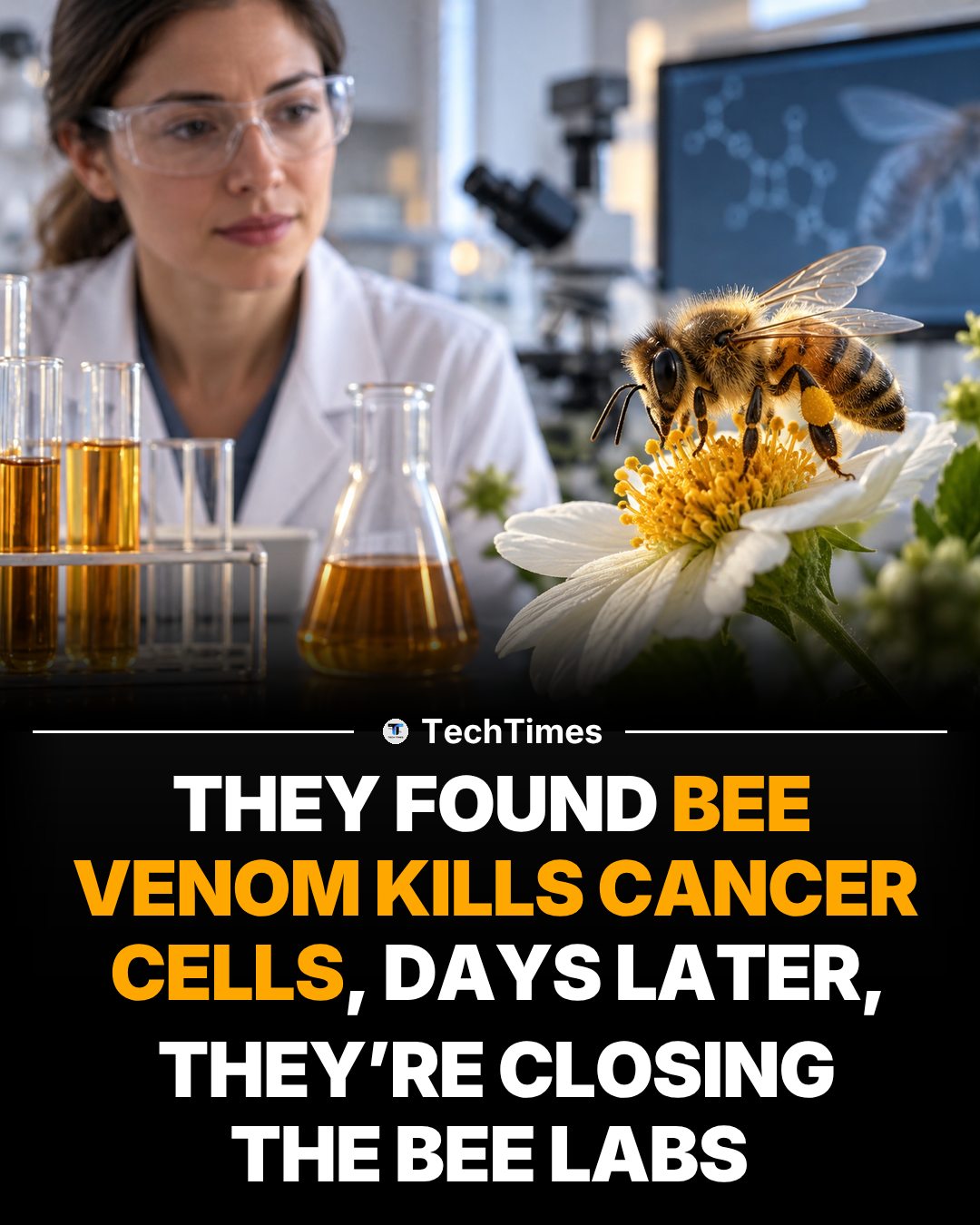
Bee venom has long been known for its potent properties, but a recent discovery has taken this to another level. A laboratory experiment showcased by TechTimes illustrates how bee venom has been found to kill cancer cells.
The Power of Bee Venom
Bee venom, a complex mixture produced from the venom glands of bees, contains a potent cocktail of bioactive compounds. The primary compound, melittin, has been shown to disrupt cellular membranes. However, the venom's anti-cancer effect is not immediate but rather delayed, which makes it unique. This delayed effect can be seen by the fact that the venom doesn’t just kill cancer cells right away; instead, it initiates a cascade of events that culminates in cell death. This makes the process more methodical and, potentially, more effective against certain types of cancer. Researchers are particularly interested in bee venom because of its unique mechanism of action. Unlike traditional chemotherapy, which indiscriminately kills both cancerous and healthy cells, bee venom seems to target cancer cells more selectively. This means it could offer a more targeted and less toxic treatment option. The difference lies in how bee venom interacts with cancer cells, potentially exploiting vulnerabilities that traditional treatments do not target. Most intriguingly, the research indicates that bee venom doesn't just kill cancer cells but also seems to trigger a delayed response. This delayed effect suggests that the venom interacts with cancer cells in a way that disrupts their ability to repair and proliferate. This prolonged interaction could be a key factor in understanding how bee venom might be used in future cancer treatments.
The Potential and Pitfalls of Bee-Lab Closures
The implications of bee venom research stretch beyond scientific curiosity. Closures of bee labs, though mentioned, reveal a complex ethical and logistical challenge. Some labs are shutting down because they can't keep up with the increased demand for research and resources. This issue exposes a larger problem: the delicate balance between scientific exploration and resource allocation. Especially for something as impactful as anti-cancer research, the process of allocating labs and resources can be fraught with complications. Labs shutting down might imply both laboratory difficulties and ethical considerations regarding resource prioritization for this new but potentially life-changing research. To understand the broader implications of shutting down labs involves looking at funding and regulatory frameworks. Research funding bodies and regulatory agencies need to weigh the potential benefits of bee venom research against the costs and resources required. This is a difficult balance, particularly when bee venom research disrupts the status quo of established cancer treatments. The resources allocated to study bee venom might otherwise sustain conventional research and treatment methodologies, affecting how medical science progresses.
The Challenges of Unraveling Bee Toxin Mechanisms
Tracing Bee Venom’s Targeting of Cancer Cells
Research has revealed that bee venom's efficacy against cancer cells is deeply rooted in how it targets and interacts with cellular structures. Bee venom has been observed to disturb the membranes of cancer cells, leading to their destruction. This disruption process is particularly effective in cancer cells because it attacks their integrity and functionality. This makes it a crucial area of study, as understanding how this disruption happens could lead to more targeted and less invasive treatments.
The Role of Melittin in Destructive Action
Melittin, a protein found in bee venom, is a significant part of why bee venom is effective against cancer cells. This protein works by infiltrating the membranes of cancer cells, causing them to break down. What’s more, melittin appears to have a delayed effect, not just killing the cells instantly but initiating a longer-term process of cell destruction. This discovery aligns with the vision of using bee venom to treat cancer in a more controlled and targeted manner.
Examining Bee Venom’s Selective Toxicity
Bee venom's selectivity in targeting cancerous cells is highly significant. Many cancer treatments today are notorious for their lack of precision, often damaging both healthy and cancerous cells. The discovery that bee venom targets only cancer cells means there is a lower risk of side effects. Scientists are exploring precisely how this selective toxicity works, as it could revolutionize cancer treatment protocols. To effectively leverage bee venom in clinical settings, extensive testing is required. Current preclinical studies focus on administering bee venom to small-scale cancer models. Initial findings reveal the venom might reduce tumor sizes and potentially even eliminate cancer cells. More detailed experiments need to be conducted to adapt the processes into clinical trials. As it stands, the potential benefits point to an era where cancer treatments are safer, more effective, and less prone to harmful side effects.
Practical Applications and Considerations
- Researcher's Note: Current research suggests that bee venom can be a game-changing tool in cancer treatment by breaking down cancerous cell membranes. However, it's crucial to undergo thorough testing and clinical trials to ensure its safety and efficacy before implementing it in larger-scale treatments. * Lab Resource Allocation: When conducting research, it’s essential to allocate resources effectively, especially in areas with high potential. Labs need to be equipped with the necessary tools and funding to explore unconventional but promising treatments like bee venom. * Regulatory Approval: Given the complexity of using a natural toxin in medicine, regulatory bodies must ensure thorough research and compliance before allowing bee venom treatments to be administered. This ensures the safety of patients and the ethical standards of the medical community.
The Pursuit of Profound
The discovery that bee venom could kill cancer cells represents a fascinating intersection of naturalism and medical science. While the field is still in its infancy, the potential of bee venom lies not just in its anti-cancer properties but also in its selective toxicity, potentially revolutionizing cancer treatment. As research continues, the medical community’s focus on this groundbreaking discovery could redefine the boundaries of cancer treatment. It underscores the importance of exploring uncharted territories in medical research, even if they involve the most unexpected of substances.
Watch the Reel
Related deep dives
Similar reads based on topic and creator.

Recent articles
Fresh deep dives from the latest Reels we unpacked.




Comments
Be the first to comment.