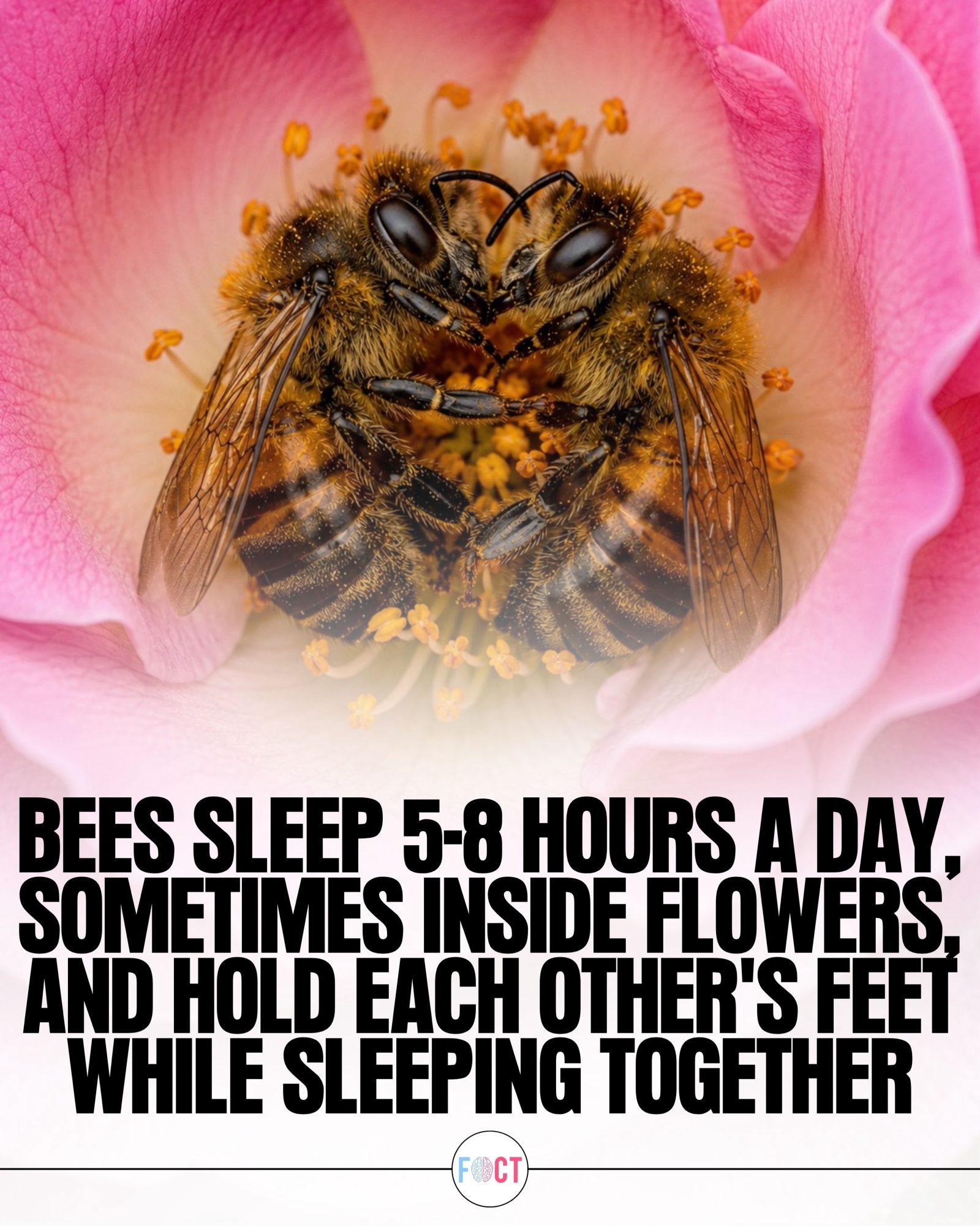
Bee Sleep Habits
Bees are not only essential pollinators but also fascinating creatures with unique sleeping habits. Understanding how and where bees rest can provide insights into their energy conservation strategies and overall behavior.
Sleep is crucial for all animals, including bees. This rest period allows bees to recharge after a full day of pollinating, which is why their sleep routine is so interesting to observe. Studies have shown that bees typically sleep for 5 to 8 hours a day. This period of inactivity is essential for their overall health and productivity. Sleep allows bees to restore their energy levels, which is vital for their constant foraging and pollination activities.
One of the most intriguing aspects of bee sleep habits is their choice of sleeping spots. Many species tuck themselves into flowers, using the petals as cozy shelters. This behavior is not just a quirky habit; it serves a practical purpose. By sleeping inside flowers, bees can conserve energy and stay protected from predators and harsh weather conditions. This behavior is particularly notable in male bees, who often cluster on plant stems or inside blossoms. They remain motionless until dawn, providing a clear indicator of sleep.
During sleep, bees exhibit classic signs of rest, including a drop in body temperature and slower response times. These physiological changes are essential for understanding the depth of their sleep. High-speed cameras and years of observation have captured bees clinging to plants with locked jaws or legs, often alongside others doing the same. This communal sleep pattern is fascinating and may contribute to their social structure and survival strategies.
Certain species of bees even have preferred sleeping spots. They return to the same flowers each night, treating them like regular beds in the wild. This behavior highlights the importance of the flowers as a safe and reliable sleeping spot. It also suggests that some bee species have a level of comfort and familiarity with certain plants. Whether this is due to the plant species or the flower's structure, it shows that bees have developed routines that help them survive and thrive.
Context / Why This Matters
Understanding the sleep habits of bees can provide valuable insights into their ecological roles and behaviors. These habits are not just interesting observations; they have practical implications for bee conservation and environmental studies. By learning more about how bees rest, researchers can better understand their energy conservation strategies, social structures, and overall health.
The sleep patterns of bees can also influence conservation efforts. Knowing where and how bees sleep can help in creating more bee-friendly environments. This includes planting specific types of flowers that bees prefer for their nests and providing shelter from predators and weather conditions. This understanding can contribute to the preservation of bee populations, which are crucial for pollination and ecological balance.
Main discussion
The Importance of Rest for Bees
Rest is as vital for bees as it is for humans and other mammals. Bees require adequate sleep to maintain their high levels of activity and efficiency during the day. This rest period allows them to recover from the energy expenditure involved in foraging and pollination. It also ensures that they are well-rested and ready to start the next day's activities.
Sleeping in Flowers
Bees often choose to sleep in flowers for a variety of reasons. Flowers provide a safe and comfortable environment, protecting bees from predators and adverse weather conditions. This choice of sleeping spot also allows bees to conserve energy, as they do not need to expend additional energy on finding or maintaining a separate shelter. By sleeping in flowers, bees can maximize their energy conservation strategies.
Social Sleeping Patterns
Bees are known for their social behavior, and this extends to their sleep habits as well. Many species of bees are observed holding each other’s feet while sleeping. This communal sleeping pattern serves several purposes. It provides a sense of security and warmth, which is essential for their survival. It also helps in maintaining social bonds within the hive, contributing to the overall cohesion and cooperation among bees.
Physiological Changes During Sleep
During sleep, bees undergo several physiological changes. Their body temperature drops, and their response times slow down. These changes are indicative of deep sleep, which is crucial for their overall well-being. High-speed cameras and years of observation have captured these changes, providing valuable insights into the sleep patterns of bees.
Preferred Sleeping Spots
Some bee species are known to return to the same flowers each night. This behavior indicates that bees have preferred sleeping spots, which they treat like regular beds. This preference can be attributed to the comfort and familiarity of the chosen spot. It also suggests that bees have a level of familiarity and attachment to certain plants. This behavior can contribute to their survival and overall ecological impact.
Practical Tips
Understanding the sleep behaviors of bees can be beneficial for various purposes, from conservation to gardening. Here are some practical tips to support the sleep habits of bees:
- Plant Bee-Friendly Flowers: Choose flowers that are known to attract bees and provide a safe sleeping spot. Consider planting flowers that have deep petals where bees can tuck themselves in for the night.
- Create Safe Spaces: Ensure that there are enough plants and flowers in your garden to accommodate the sleeping bees. Providing a variety of plants can help cater to the diverse needs of different bee species.
- Avoid Pesticides: Use natural pest control methods in your garden to avoid harming the bees. Pesticides can disrupt the natural habitats of bees, making it difficult for them to find safe sleeping spots.
- Support Wildlife: Creating a diverse and natural environment can support the overall health and well-being of bees. This includes providing a variety of plants, trees, and other wildlife that can contribute to their ecosystem.
Important Takeaways
Bee sleep habits are a fascinating and crucial aspect of their overall behavior. These habits include sleeping for 5 to 8 hours a day, choosing flowers as sleeping spots, and exhibiting physiological changes during sleep. Understanding these habits can provide valuable insights into their energy conservation strategies, social structures, and overall health.
The practical implications of these habits are significant. By learning more about how bees rest, researchers and conservationists can create more bee-friendly environments. This includes planting specific types of flowers, providing shelter, and ensuring a safe and natural habitat for bees. This knowledge can contribute to the preservation of bee populations, which are essential for pollination and ecological balance.
Conclusion
Bees are not only essential pollinators but also fascinating creatures with unique sleeping habits. Understanding how and where bees rest can provide valuable insights into their energy conservation strategies, social structures, and overall health. By supporting the sleep habits of bees, we can contribute to their survival and the overall ecological balance.
Watch the Reel
Questions readers ask
How long do bees typically sleep each day?
Bees generally sleep between 5 to 8 hours a day. This sleep duration is crucial for their energy restoration, which supports their continuous pollination activities.
Where do bees usually rest and sleep?
Bees often choose flowers as their resting spots. This provides a dual benefit: a safe and comfortable place to rest and often a source of nectar or pollen for immediate consumption.
Why is understanding bee sleep patterns important?
Understanding bee sleep patterns can offer insights into their energy conservation strategies and overall behavior. This knowledge can help in maintaining healthy bee populations and improving pollination efforts.
Do bees sleep in the same way humans do?
No, bees do not sleep in the same way humans do. Their sleep is characterized by periods of inactivity, often while perched in flowers, and they do not have the same sleep stages as humans.
What happens if bees do not get enough sleep?
If bees do not get enough sleep, their overall health and productivity can be negatively impacted. Adequate sleep is essential for their energy levels, foraging efficiency, and pollination activities.
How do bees' sleep habits contribute to their energy conservation?
Bees' sleep habits, such as resting in flowers and sleeping up to 8 hours a day, help them conserve energy. By resting in flowers, they minimize energy expenditure and can quickly resume foraging and pollination activities.
Can bees sleep while flying or in motion?
No, bees cannot sleep while flying or in motion. They typically sleep in a stationary position, often perched on flowers, which allows them to rest and conserve energy during their inactivity periods.
Related deep dives
Similar reads based on topic and creator.




Recent articles
Fresh deep dives from the latest Reels we unpacked.




Comments
Be the first to comment.