Beavers and the Art of Reconstruction
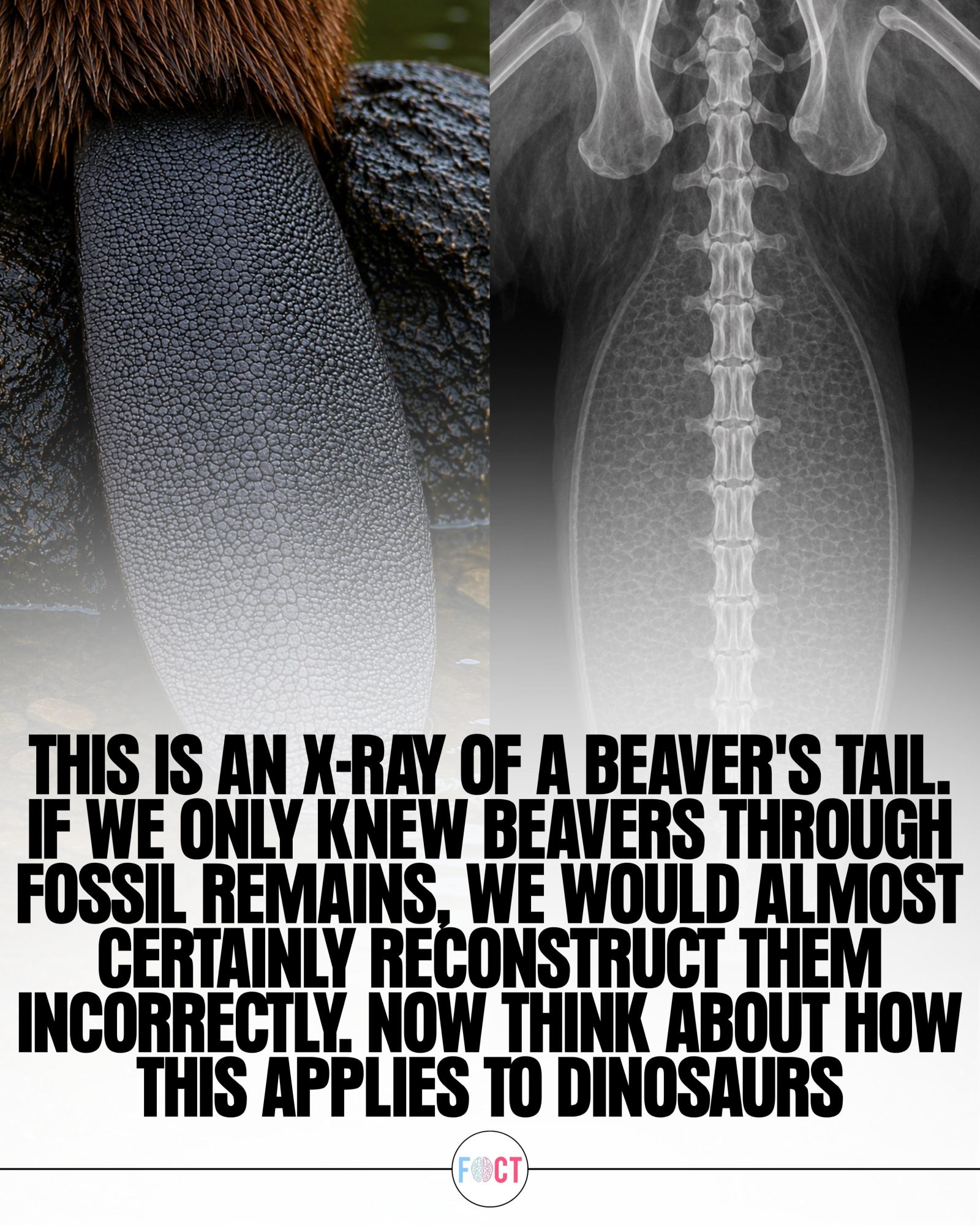
The X-ray of a beaver's tail reveals a fascinating challenge in paleontology. Known as "shrink wrapping," this phenomenon occurs when fossil remains are misinterpreted, leading to inaccurate reconstructions of ancient animals. When examining a beaver's skeleton, the tail might appear to be a simple, narrow chain of vertebrae, suggesting a thin, rat-like structure. The reality is that a beaver's tail is broad and paddle-shaped, composed primarily of soft tissue, fat, and skin — elements that do not fossilize.
Context
Why does this matter? The implications reach far beyond just beavers. This same misconception influenced dinosaur reconstructions for decades. Artists often depicted dinosaurs as gaunt, bony creatures by stretching skin tightly over their skeletons. This method, while based on available data, often missed the mark by a significant margin. The real animals likely looked dramatically different from these skeletal portrayals.
Shifting Perspectives on Reconstruction
The Traditional Approach
Early efforts in reconstructing extinct animals faced significant limitations due to the lack of soft tissue preservation in fossils. Paleontologists and artists relied heavily on the skeletal remains, leading to interpretations that were, more often than not, incomplete and sometimes inaccurate. This method of "shrink wrapping" was prevalent and resulted in images that were far from the true likeness of the animals. For instance, dinosaurs were often portrayed as scrawny and leathery, missing the bulk and soft tissue structure that we now understand as essential.
The Evolution of Techniques
Over time, the approach to reconstructing extinct animals evolved. Paleontologists began utilizing comparative anatomy, which involves comparing the fossils with their living relatives. This provides a better understanding of the potential soft tissue structures that might have been present in the extinct species. This is where techniques like phylogenetic bracketing come into play, allowing scientists to infer features that bones alone cannot reveal.
Comparative Anatomy
Comparative anatomy plays a crucial role by studying living organisms that are closely related to extinct species. For dinosaurs, this often means comparing them to modern birds and crocodilians. This method helps fill in the gaps left by fossilized bones, providing a more nuanced and accurate depiction.
Phylogenetic Bracketing
Phylogenetic bracketing involves comparing the soft tissue structures of the closest living relatives on both sides of the extinct animal in the evolutionary tree. If a certain feature is present in both the closest relatives, it is likely that the feature was also present in the extinct animal. This technique has significantly improved the accuracy of reconstructions and has led to a more comprehensive understanding of what these ancient creatures might have looked like.
The Beavers' Tail: A Case Study
The beaver's tail is a prime example of the limitations of skeletal reconstructions. If we only knew beavers through their fossilized remains, we would likely picture a creature with a slender, rat-like tail. However, the beaver's tail is, in reality, a broad, powerful paddle, essential for swimming and building dams. The soft tissue, fat, and skin that make up this structure do not fossilize, leaving out crucial details for reconstruction.
How These Insights Apply to Dinosaurs
The Impact of Shrink Wrapping on Dinosaur Reconstructions
The traditional method of "shrink wrapping" led to dinosaur reconstructions that were often far from accurate. These depictions showed creatures with gaunt bodies and minimal soft tissue, a stark contrast to what scientists now believe. This method overlooked the importance of soft tissues, fats, and other non-bone elements, resulting in reconstructions that misrepresented the true appearance and functionality of these animals.
Modern Methods: A New Era in Reconstruction
Today, paleontologists use a combination of comparative anatomy and phylogenetic bracketing to create more accurate reconstructions. By comparing fossils with living relatives and studying rare specimens that preserve skin, feathers, or other soft tissues, scientists can infer features that would otherwise go unnoticed. This has led to a more nuanced understanding of dinosaurs and other extinct animals, providing a clearer picture of what they might have looked like and how they lived.
The Role of Comparative Anatomy
Comparative anatomy has revolutionized the field by allowing scientists to fill in the gaps left by fossilized bones. For example, studying modern birds and crocodilians provides valuable insights into the potential soft tissue structures of dinosaurs. This comparative approach helps to paint a more accurate and detailed picture of these ancient creatures.
Phylogenetic Bracketing and Its Implications
Phylogenetic bracketing further enhances the accuracy of these reconstructions. By comparing the soft tissue structures of living relatives on both sides of the phylogenetic tree, scientists can infer features that would have been present in the extinct animal. This has led to a more comprehensive understanding of dinosaurs, revealing that they were likely more robust and muscular than previously thought.
Practical Tips for Accurate Reconstruction
When studying extinct animals, it's essential to consider soft tissue structures, even if they are not directly preserved. Here are some practical tips to enhance the accuracy of reconstructions:
- Utilize Comparative Anatomy: Always compare the fossil with living relatives. This helps to infer soft tissue structures that might not be directly visible in the fossil record.
- Employ Phylogenetic Bracketing: Use this technique to identify features that were likely present in the extinct animal by comparing its closest living relatives.
- Study Rare Specimens: When available, examine rare specimens that preserve skin, feathers, or other soft tissues. These provide invaluable insights into the true appearance and functionality of extinct animals.
- Collaborate with Experts: Work with experts in comparative anatomy and phylogenetic bracketing to gain a more comprehensive understanding of the extinct animal.
Important Takeaways
The beaver’s tail X-ray serves as a reminder that a skeleton tells only part of the story. Soft tissues, muscles, fat, and skin are crucial elements that significantly alter the appearance and functionality of an animal. This is particularly relevant in paleontology, where accurate reconstructions of extinct animals are essential for understanding their biology and behavior.
Understanding the limitations of traditional methods and embracing modern techniques can help create a more accurate and comprehensive picture of the past. This deeper understanding not only enhances our knowledge of prehistoric life but also provides valuable insights into the evolutionary processes that shaped these remarkable creatures.
Conclusion
The journey from misinterpreted fossils to accurate reconstructions is a testament to the evolution of paleontology. By leveraging comparative anatomy and phylogenetic bracketing, scientists have made significant strides in understanding the true likeness of extinct animals. The beaver’s tail, once a symbol of misinterpretation, now stands as a beacon of progress in the field. As we continue to refine our methods and expand our knowledge, the mysteries of the past become more accessible and less elusive, enriching our understanding of the natural world.
Watch the Reel
Questions readers ask
Why is the beaver's tail relevant to understanding dinosaur reconstruction?
Beavers' tail anatomy illustrates how soft tissue can be misinterpreted in fossil records, leading to inaccurate depictions of extinct creatures. The beaver's tail is predominantly soft tissue, which does not fossilize, much like many dinosaur features. Its inaccurate portrayal in reconstructions leads to a better understanding of the pitfalls in dinosaur reconstruction.
What is the 'shrink wrapping' effect in paleontology?
The 'shrink wrapping' effect refers to the misinterpretation of fossil remains where soft tissue is not preserved, leading to an inaccurate reconstruction. In the case of beavers, the tail appears much smaller and thinner than it actually is, illustrating how this effect can distort our understanding of extinct animals, including dinosaurs.
How has soft tissue misinterpretation affected dinosaur depictions?
For many years, dinosaurs were often portrayed as bony, thin creatures due to the lack of clear understanding of their soft tissue. This is because only the bones of dinosaurs are preserved in fossils, making it difficult to accurately determine the extent and shape of the soft tissues. Artists and scientists have had to speculate about these features, often resulting in inaccuracies.
What challenges do paleontologists face when reconstructing dinosaur skin?
Reconstructing dinosaur skin poses significant challenges due to the rarity of fossilized soft tissue. Paleontologists often rely on comparisons with living animals and the few known examples of fossilized skin to infer the appearance and structure of dinosaur skin accurately. This process is complicated by the 'shrink wrapping' effect, making it difficult to determine the true size and shape of soft tissue features.
What can be learned from the comparison of beaver tails and dinosaur reconstruction?
The comparison highlights the importance of considering soft tissue in reconstructions. Just as a beaver's tail is much broader and more paddle-shaped than its skeletal remains suggest, dinosaurs likely had more substantial soft tissues than their fossilized bones indicate. This insight helps to refine and improve the accuracy of dinosaur depictions.
How have depictions of dinosaurs evolved over time?
Inaccuracies in dinosaur depictions, particularly from the 'shrink wrapping' effect, have led to significant changes in how dinosaurs are portrayed. Early depictions often showed dinosaurs as thin, reptilian creatures. As more evidence about soft tissue has emerged, scientists have begun to reconstruct dinosaurs with more accurate proportions and features, adding layers of skin, fat, and muscle to better reflect their probable appearance.
Why is understanding the beaver-tail-to-dinosaur connection important for paleontology?
Understanding the beaver-tail-to-dinosaur connection helps paleontologists recognize and avoid similar misinterpretations in their reconstructions. By acknowledging the limitations of fossil records and the potential for 'shrink wrapping,' scientists can work towards more accurate and reliable depictions of extinct creatures, providing a clearer view of ancient life. Moreover, it underscores the need for interdisciplinary approaches in paleontology, drawing insights from biology, anatomy, and other related fields.
Related deep dives
Similar reads based on topic and creator.
Recent articles
Fresh deep dives from the latest Reels we unpacked.




Comments
Be the first to comment.