Beavers and Wetland Restoration
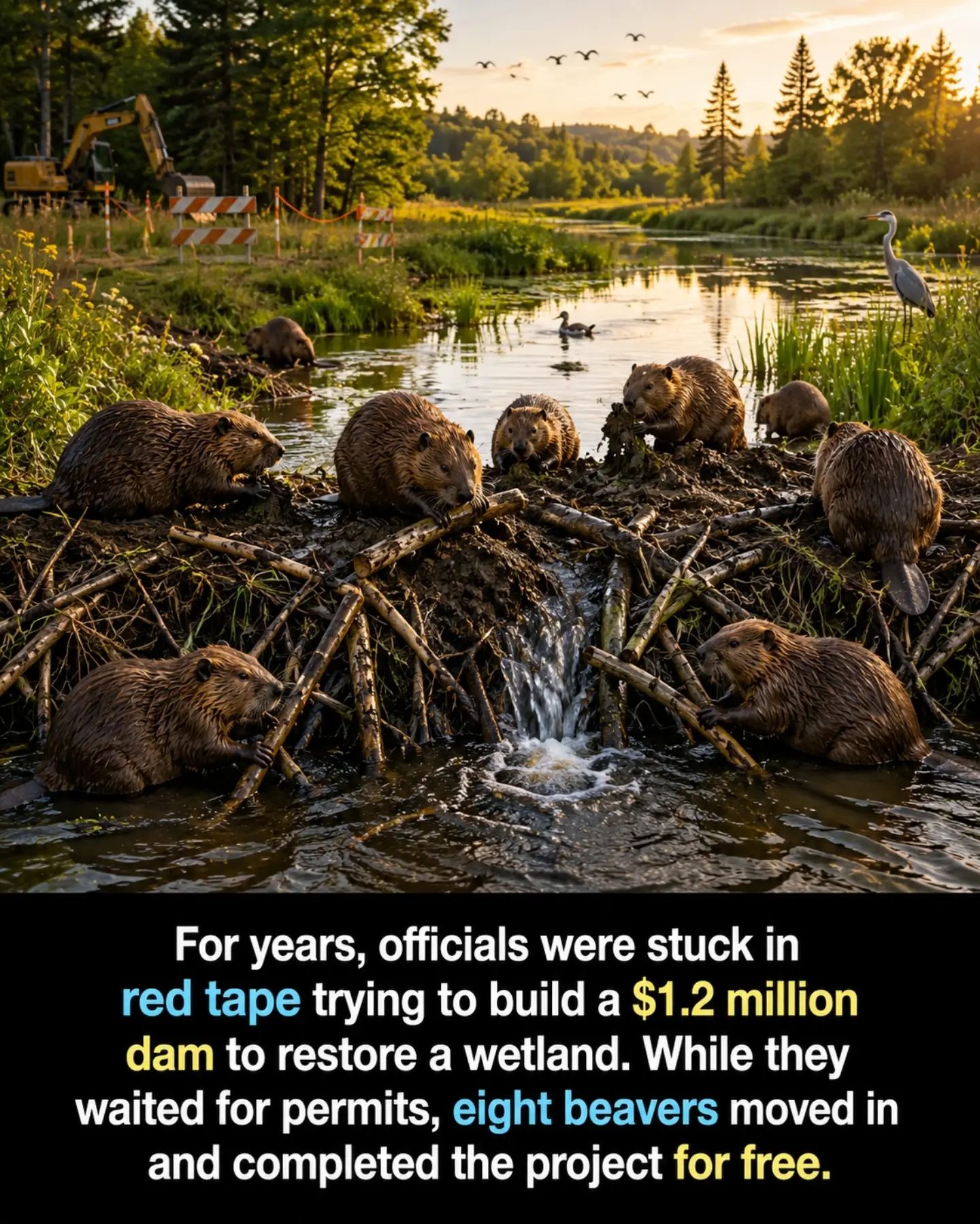
Beavers are nature’s engineers, capable of transforming landscapes with their dam-building skills. In a remarkable instance of nature outpacing human efforts, a group of beavers completed a wetland restoration project that officials had been struggling to begin due to bureaucratic delays. This story highlights the natural prowess of beavers and the complexities of human intervention in environmental projects.
Why This Matters
Beavers play a crucial role in ecosystems by creating wetlands that support a variety of plant and animal species. Wetlands act as natural filters, improving water quality and reducing flooding. Understanding how beavers can assist in environmental restoration is valuable for conservation efforts and sustainable land management.
The natural engineers of the wetlands
The Project and the Beavers
The story begins with officials attempting to build a $1.2 million dam to restore a wetland. This project was met with significant delays due to red tape and the permitting process. During this time, eight beavers moved into the area and completed the dam-building project. When human efforts were stalled, nature took over, demonstrating the efficiency and cost-effectiveness of natural processes.
The Efficiency of Beavers
Beavers are incredibly efficient builders. They use their strong teeth and powerful tails to fell trees, gather branches, and construct dams. These dams create ponds that serve as habitats for various species and help regulate water flow. The beavers’ ability to complete the project faster and without the financial burden highlights the potential of natural solutions in environmental restoration.
The Role of Wetlands
Wetlands are vital ecosystems that provide numerous benefits, including water purification, flood control, and habitat for diverse wildlife. The beavers’ dam not only restored the wetland but also enhanced its ecological functions. Wetlands act as buffers against flooding by absorbing excess water and slowly releasing it. They also improve water quality by filtering pollutants and sediments.
Practical Tips for Beavers and Wetland Restoration
While beavers are remarkable engineers, their activities can sometimes conflict with human interests. Here are some practical tips for coexisting with beavers and supporting wetland restoration:
Encouraging Beavers
- Provide Suitable Habitat: Beavers need a steady supply of wood and water. Planting trees and maintaining waterways can encourage beavers to settle in an area.
- Minimize Human Interference: Allow beavers to build dams without interference, as long as it doesn’t pose a risk to human infrastructure.
- Support Conservation Efforts: Participate in local conservation projects that aim to protect beavers and their habitats. This can involve volunteering, donating, or advocating for policies that support wetland restoration.
Managing Beavers
- Monitor Dam Construction: Regularly monitor beaver activities to ensure their dams do not cause flooding or other issues.
- Implement Non-Lethal Control Methods: If beavers are causing problems, consider non-lethal control methods such as installing flow devices or relocating the animals.
- Collaborate with Experts: Work with wildlife experts and local authorities to develop strategies that balance conservation and human needs.
Supporting Wetland Restoration
- Plant Native Vegetation: Wetlands rely on specific plant species for stability and biodiversity. Planting native vegetation can help restore and maintain wetland health.
- Improve Water Quality: Reducing pollution and improving water quality in nearby waterways can enhance the overall health of wetland ecosystems.
- Create Sustainable Policies: Advocate for policies that support wetland conservation and restoration, including funding for projects and regulations that protect wetlands from development and pollution.
Important Takeaways
The story of beavers completing a wetland restoration project offers several important takeaways:
- Beavers are efficient and effective at building dams, creating habitats, and restoring wetlands.
- Natural solutions can sometimes outpace and outperform human efforts in certain environmental restoration projects.
- Wetlands provide numerous ecological benefits, making their restoration and conservation crucial for environmental health.
Conclusion
Beavers’ natural engineering skills and the benefits of wetlands highlight the importance of integrating natural solutions into environmental restoration projects. By understanding and supporting the role of beavers in ecosystem management, we can achieve more sustainable and cost-effective outcomes.
Watch the Reel
Questions readers ask
How do beavers contribute to wetland restoration?
Beavers contribute to wetland restoration by building dams, which create ponds that support diverse plant and animal life. These wetlands act as natural filters, improving water quality and reducing flooding, thereby enhancing the overall health of the ecosystem.
What was the cost difference between the beaver dam and the officials' project?
The beavers constructed a dam valued at $1.2 million. In comparison, the officials' project was delayed due to bureaucratic hurdles, highlighting the efficiency and cost-effectiveness of natural processes.
Why did the beavers outpace human efforts in this project?
The beavers outpaced human efforts due to their natural ability to build dams quickly and efficiently. In contrast, human efforts were hindered by bureaucratic delays, demonstrating the challenges of human intervention in environmental projects.
What are the benefits of wetlands created by beavers?
Wetlands created by beavers provide numerous benefits, including habitat creation for a variety of species, water quality improvement, and flood reduction. These wetlands support biodiversity and contribute to the overall health of the ecosystem.
What challenges do human efforts face in environmental restoration?
Human efforts in environmental restoration often face challenges such as bureaucratic delays, which can slow down or even halt projects. In contrast, natural processes like beaver dam construction can be more efficient and cost-effective.
Can beaver dam construction be replicated in other restoration efforts?
Beaver dam construction can be replicated in other restoration efforts by understanding beaver behavior and creating conditions that encourage dam-building. This can be done by providing suitable habitats and removing barriers that impede natural beaver activities.
What is the significance of the beaver dam video mentioned in the article?
The beaver dam video showcases the efficiency and effectiveness of beaver dam construction, providing visual evidence of how beavers can outsmart bureaucratic delays and achieve environmental restoration goals more efficiently than human efforts.
Related deep dives
Similar reads based on topic and creator.

Recent articles
Fresh deep dives from the latest Reels we unpacked.




Comments
Be the first to comment.