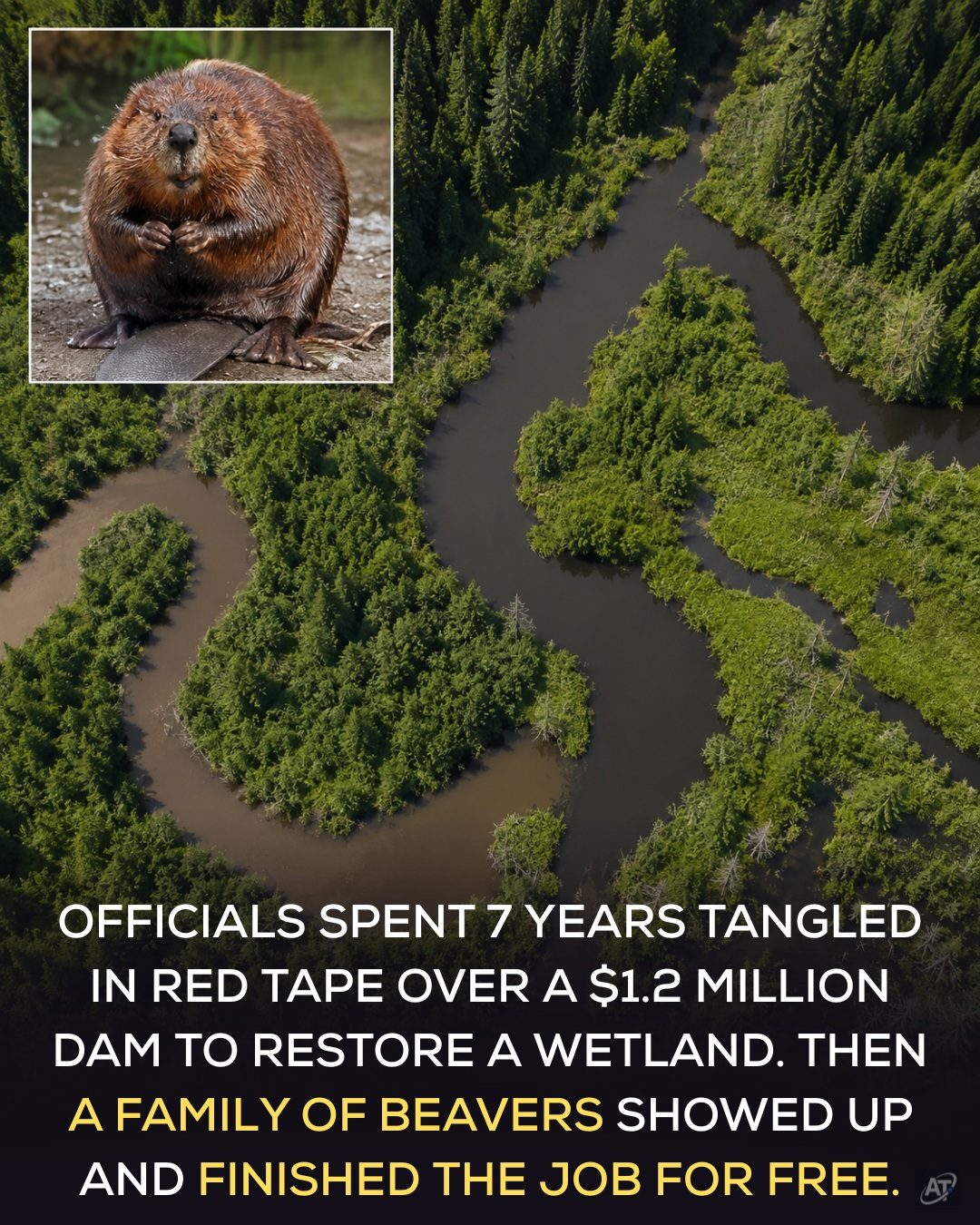
Beaver Wetland Restoration
Beavers have long been recognized for their impact on local ecosystems, and a recent successful wetland restoration project in the Brdy Protected Landscape Area of the Czech Republic is a testament to their engineering prowess. The restoration process, initially planned by conservation officials, faced numerous bureaucratic challenges. However, the intervention of a family of Eurasian beavers accelerated the restoration process.
Why This Matters
Ecological restoration projects aim to improve the health of ecosystems that have been degraded by human activities. These projects are essential for maintaining biodiversity, supporting local wildlife, and protecting natural resources. The Brdy Protected Landscape Area, once a military training ground, had been stripped of its natural wetlands due to drainage channels. This alteration had led to the drying of parts of the landscape and posed a threat to the Klabava River, particularly its critically endangered stone crayfish.
The planned restoration project aimed to rebuild the wetland by using barriers and small dams. The water retention would help restore the natural habitat and protect the river from sediment and acidic runoff. Unfortunately, the project got entangled in negotiations over land ownership and coordination between various authorities.
The Intricate Process of Wetland Restoration
Initial Project Planning
Conservation officials began planning the wetland restoration in 2018. Decades earlier, soldiers had dug drainage channels through the former military training ground, allowing water to escape and leaving parts of the landscape unusually dry. The goal was to create a network of small dams to retain water, rebuild the wetland habitat, and protect the Klabava River. This involved meticulous planning, extensive permits, and negotiations over land ownership and coordination.
Challenges and Delays
The project was estimated to cost around 30 million Czech crowns, approximately $1.2 million. However, the project became trapped in a web of negotiations over land ownership and coordination between the military-forest administration, conservation officials, and the river authority. Despite years of discussions, construction had still not begun by 2025. This delay highlighted the complexities and bureaucratic hurdles that often impede ecological restoration projects.
The Beaver Intervention
In January 2025, a family of approximately eight Eurasian beavers moved into the area and started building in the same drainage channel. Using branches, mud, and stones, the beavers constructed at least four dams, slowing the escaping water and creating pools, canals, and a thriving new wetland. This natural intervention covered roughly twice the area that had been originally planned for restoration.
Cost Savings and Ecological Benefits
The beavers' work saved the government around 30 million Czech crowns. More importantly, the new wetland can retain water, improve habitat for insects, amphibians, fish, and birds, and help protect the surrounding ecosystem. The beavers' instincts, honed over thousands of years, allowed them to create a more effective wetland restoration than the planned human intervention.
Practical Tips for Wetland Restoration
Embrace Natural Processes
The Brdy Protected Landscape Area example illustrates how natural processes can often be more effective and cost-efficient than engineered solutions. Incorporating natural interventions, such as allowing beavers to create dams, can accelerate restoration efforts and reduce costs.
Streamline Bureaucratic Processes
Ecotone restoration projects often face significant delays due to bureaucratic hurdles. Streamlining the permitting process and improving coordination between different authorities can help expedite these essential projects. This might involve creating cross-agency task forces or standardized procedures to expedite the approval process.
Monitor and Adapt
Regular monitoring of restoration sites can help identify natural interventions that can enhance the restoration process. Adaptive management strategies allow for adjustments based on real-time observations, ensuring the best outcomes for the ecosystem.
Important Takeaways
Beavers as Ecosystem Engineers
Beavers are nature's engineers, capable of transforming landscapes to create thriving ecosystems. Their ability to build dams and create wetlands can significantly enhance biodiversity and water quality. Recognizing and leveraging their natural instincts can benefit restoration efforts.
The Role of Conservation Efforts
Conservation efforts are essential for protecting and restoring natural habitats. However, these efforts must also be adaptive and flexible, allowing for natural processes to play a role in the restoration. The Brdy Protected Landscape Area example demonstrates the potential of such an approach.
Conclusion
The successful wetland restoration in the Brdy Protected Landscape Area of the Czech Republic serves as a powerful reminder of the effectiveness of natural interventions in ecological restoration. By allowing a family of Eurasian beavers to complete the job, conservation officials not only saved a significant amount of money but also created a more extensive and thriving wetland ecosystem. This example underscores the importance of embracing natural processes and streamlining bureaucratic processes to achieve effective and cost-efficient ecological restoration.
Watch the Reel
Questions readers ask
What specific actions do beavers take to restore wetlands?
Beavers build dams using branches, trees, and mud, which helps to slow down water flow, create pools and promote the establishment of new vegetation. This process helps to restore and maintain the health of the wetland ecosystem by creating habitats for various species and regulating water flow.
How did beavers overcome bureaucratic challenges in the Brdy Protected Landscape Area?
While bureaucratic hurdles delayed the planned conservation efforts, the arrival of a beaver family spearheaded the restoration, showcasing their natural engineering skills. The beavers' dams and lodges helped to revitalize the wetland, demonstrating how their activities can expedite ecological recovery despite administrative delays.
What is the significance of the beaver family's intervention in the Brdy Protected Landscape Area?
The beaver family's activities significantly accelerated the ecological recovery by creating dams and lodges, which in turn transformed the landscape by altering water flow and creating habitats for various species. The intervention highlights the importance of beavers in natural landscape restoration.
What role do beavers play in supporting local wildlife in wetlands?
Beavers create and maintain habitats that support a diverse range of wildlife. By building dams and transforming landscapes, they form pools and marshes that provide food and shelter for many species, contributing to the overall biodiversity of the wetland area.
What benefits do beavers offer to natural resource conservation?
Beavers help to restore and maintain wetlands by regulating water flow, preventing soil erosion, and creating habitats for various species. Their activities support natural resource conservation by promoting biodiversity and enhancing the overall health of the ecosystem.
What historical context is associated with the Brdy Protected Landscape Area in the Czech Republic?
The Brdy Protected Landscape Area in the Czech Republic was historically used as a military training ground, leading to significant degradation of the wetland ecosystems. Recent conservation efforts, aided by beaver engineering, have focused on restoring the area to its natural state, promoting biodiversity and ecological health.
Related deep dives
Similar reads based on topic and creator.



Recent articles
Fresh deep dives from the latest Reels we unpacked.




Comments
Be the first to comment.