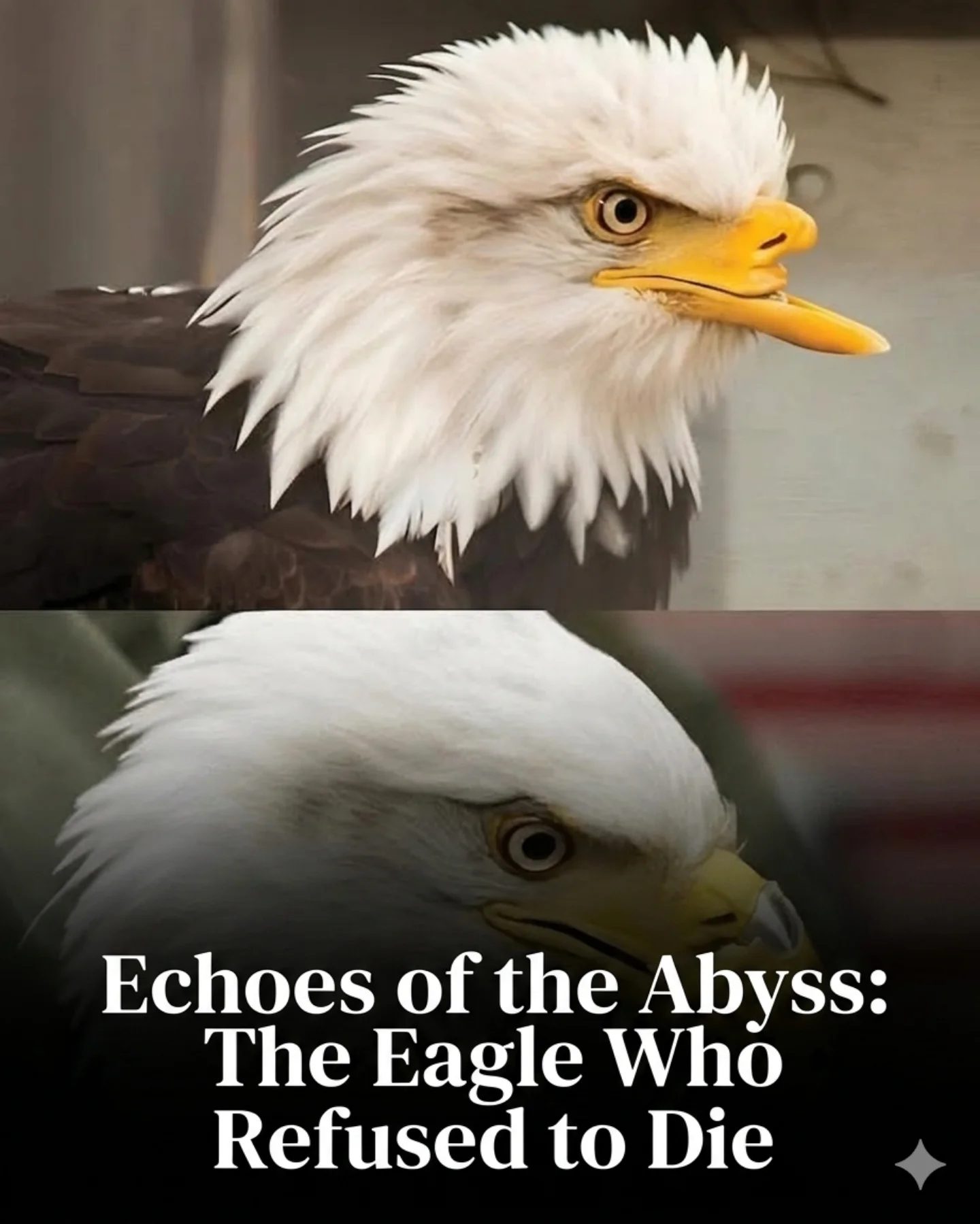
Bald Eagles: The Miraculous Journey of Beauty
Beauty, a bald eagle, became a symbol of resilience and scientific innovation after surviving a near-fatal injury that left her mutilated and defenseless. Her story, a tale of compassion and cutting-edge technology, unfolds in the unforgiving world of birds of prey, where survival is never guaranteed.
Context / Why This Matters
To understand Beauty’s story, it’s important to grasp the significance of bald eagles in the ecosystems they inhabit. Bald eagles are apex predators, playing a crucial role in maintaining the balance of fish and other small mammals. Their absence can lead to overpopulation of smaller species, disrupting the delicate ecological equilibrium. But beyond their ecological importance, bald eagles hold a deep cultural and symbolic significance. In many cultures, they are seen as symbols of strength, freedom, and wisdom.
Main Discussion
The Discovery and Initial Struggles
In 2005, a skeletal and near-dead Beauty was discovered in an Alaskan landfill. Her upper beak had been shattered by a hunter’s bullet, leaving her unable to eat, drink, or preen her feathers. For a bird of prey, a broken beak is akin to a death sentence. It meant she could not hunt, feed, or even drink water.
Jane Fink Cantwell: The Raiser
Jane Fink Cantwell, a raptor specialist, saw Beauty’s potential for survival and refused to accept the inevitable. Cantwell assembled a team of experts, including a mechanical engineer, a dentist, and visionary veterinarians, to embark on a mission to save Beauty. Their goal was to fuse biology and science fiction, creating a prosthetic beak that would restore Beauty’s ability to survive.
The Prosthetic Beak
The team used precision 3D scanning and cutting-edge printing technology to design a prosthetic beak. This was no easy task. The prosthetic had to be lightweight, yet robust enough to withstand the forces exerted during flight and feeding. The team chose titanium, a material known for its strength and durability.
In 2008, Beauty underwent a high-stakes surgical procedure. The prosthetic beak was fused to her existing beak, marking a significant milestone in the bird's journey. The room fell silent as Beauty leaned down and drank water on her own, a moment that carried the weight of a soul reborn.
The Unexpected Outcome
The prosthetic beak not only restored Beauty's ability to drink and eat, but it also triggered an unexpected regeneration. Over time, protected by the prosthetic, Beauty’s natural beak began to regrow. This remarkable outcome showcased the power of biomimicry and the potential of regenerative medicine.
Practical Tips
Caring for Injured Wildlife
If you ever come across an injured bald eagle or any other wild animal, it's crucial to follow these steps:
- Safety First: Ensure your safety. Wildlife, especially when injured, can be unpredictable and dangerous.
- Contact a Professional: Immediately contact a local wildlife rehabilitation center or a raptor specialist. They have the expertise and resources to handle such situations.
- Minimize Stress: Keep the animal calm and minimize stress. Cover it with a blanket or towel to reduce stimulation.
- Provide Temporary Care: If you must handle the animal, do so gently and provide temporary care, such as keeping it warm and hydrated, until professional help arrives.
Supporting Wildlife Conservation
There are several ways to support wildlife conservation, especially for bald eagles:
- Volunteer or Donate: Contribute your time or resources to wildlife rehabilitation centers and conservation organizations.
- Advocate for Protection: Support policies and regulations that protect bald eagles and their habitats.
- Reduce Environmental Impact: Minimize your environmental footprint by reducing the use of pesticides, conserving water, and recycling.
- Educate Others: Raise awareness about the importance of bald eagles and other wildlife in the ecosystem.
Important Takeaways
Beauty’s story is a testament to the power of human compassion and technological innovation. By refusing to accept the inevitable, a team of experts not only saved a bald eagle but also showcased the potential of regenerative medicine and biomimicry. Beauty’s journey serves as a reminder that with empathy and ingenuity, we can reclaim lives from the very edge of the abyss.
Conclusion
Beauty’s tale is a living monument to hope and a soaring testament to what happens when the brilliance of science meets the heartbeat of mercy. She became a symbol of resilience, showcasing the potential of human empathy and technological innovation. Her story is a reminder that when we choose to intervene with compassion, we can save lives and redefine the boundaries of what is possible.
Watch the Reel
Questions readers ask
What caused Beauty the bald eagle to need a prosthetic beak?
Beauty suffered a severe injury that left her with a damaged beak, which is crucial for eating, hunting, and preening. This injury was so serious that it left her near-dead and unable to survive in the wild, leading to her rescue and eventual outfitting with a prosthetic beak.
Who designed the prosthetic beak for Beauty the bald eagle?
The prosthetic beak for Beauty was designed by a collaborative team of experts, including engineers, veterinarians, and wildlife specialists. The team worked together to create a groundbreaking prosthetic that would allow Beauty to perform essential functions such as eating and hunting.
How do bald eagles contribute to their ecosystems?
Bald eagles serve as apex predators, which means they help control the populations of smaller animals like fish and mammals. By keeping these populations in check, bald eagles help maintain a balanced ecosystem. Their role is crucial for preventing overpopulation and ensuring the health of the environment.
What cultural significance do bald eagles hold?
Bald eagles hold deep cultural significance, often symbolizing freedom and strength. They are featured in various cultural narratives and are a source of national pride, particularly in the United States, where they are featured on the Great Seal of the United States, as well as on many coins and stamps.
What challenges do injured bald eagles face in the wild?
Injured bald eagles face numerous challenges, including difficulties in hunting and foraging, which are essential for their survival. Injuries can also affect their ability to defend themselves and their young, as well as impair their flight capabilities, making them vulnerable to predators.
How was Beauty the bald eagle rescued and rehabilitated?
Beauty was rescued by a team of wildlife experts and veterinarians who provided immediate medical care. Her rehabilitation involved extensive treatment and care, including the design and fitting of a prosthetic beak. This process was a testament to human compassion and scientific innovation.
What are some common causes of injury in bald eagles?
Common causes of injury in bald eagles include collisions with vehicles, power lines, and wind turbines, as well as lead poisoning from ingesting prey contaminated with lead. These factors can severely impact their ability to survive and thrive in the wild, sometimes leading to the need for rescue and rehabilitation.
Related deep dives
Similar reads based on topic and creator.
Recent articles
Fresh deep dives from the latest Reels we unpacked.




Comments
Be the first to comment.