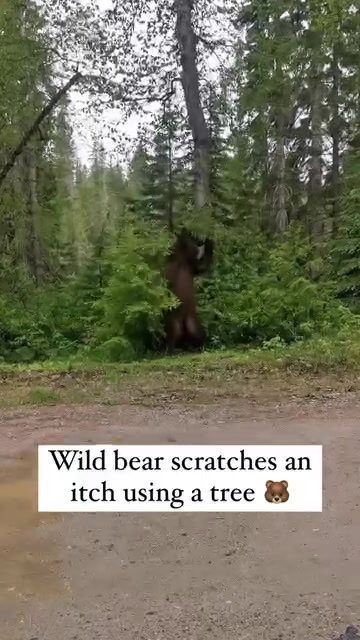
Bear Scratching Behavior in the Wild
A wild bear scratching itself against a tree is a fascinating glimpse into the natural behaviors of these powerful creatures. This behavior, though common, offers insights into the ways bears interact with their environment and maintain their health. Bearing in mind the forest setting where the bear is captured can also provide context for understanding the habitat of these elusive animals.
Context: Why Bears Scratch Themselves Against Trees
Bears, being robust and often massive animals, engage in various behaviors to care for their bodies. Scratching themselves against trees is one of these essential activities. This behavior is not just about relieving an itch; it serves multiple purposes that contribute to the overall well-being of the bear.
Natural Grooming
One of the primary reasons bears scratch themselves against trees is for grooming. Bears, like other wild animals, need to keep their fur clean and free of parasites. Rubbing against rough tree bark helps them remove dead skin, loose fur, and any unwanted hitchhiking insects. This natural grooming process is crucial for maintaining good hygiene and health.
Marking Territory
Another significant purpose of this behavior is territorial marking. Bears have scent glands on their feet and bodies, and by scratching against trees, they leave behind a scent that signals their presence to other bears. This marking helps to establish and maintain territory boundaries, reducing the likelihood of confrontations with other bears.
Relieving Itches
Scratching against trees also serves a more immediate need: relieving itches. Just like humans, bears can experience discomfort from various environmental factors, such as insect bites, plant irritants, or even the natural shedding of their fur. Rubbing against a tree provides a means to scratch those hard-to-reach spots, offering a bit of relief.
Maintaining Physical Health
The action of scratching against a tree can also serve as a form of physical exercise. It involves the bear using its muscles and applying pressure, which can help maintain overall physical health. This low-impact exercise can contribute to muscle tone and flexibility, keeping the bear agile and strong.
The Role of the Environment
The forest environment in which this behavior is observed provides a rich context for understanding the bear's habits. Trees, particularly those with rough bark, serve as natural scratching posts. The presence of a variety of flora and fauna in the forest ecosystem also contributes to the bear's overall health and well-being, providing food, shelter, and opportunities for grooming and marking.
Practical Tips for Observing Bear Behavior
Observing bears in their natural habitat can be a rewarding experience, but it requires caution and respect for the animal's space and well-being. Here are some practical tips for safely and responsibly observing bears:
Maintain a Safe Distance
Always maintain a safe distance when observing bears. This not only ensures your safety but also minimizes the disturbance to the bear. Using binoculars or a telephoto lens can help you get a closer look without getting too close.
Be Quiet and Patient
Bears are wary of humans and can be easily disturbed by noise and movement. Be as quiet and still as possible, and avoid sudden movements that might startle the bear.
Respect the Environment
Respect the natural environment by adhering to leave-no-trace principles. Avoid damaging trees or other vegetation, and keep your presence as unobtrusive as possible.
Educate Yourself on Bear Behavior
Understanding the behaviors of bears, such as scratching against trees, can enhance your observation experience. Knowledge of their habits and needs can help you anticipate their actions and appreciate their natural behaviors.
Important Takeaways
Bears scratching themselves against trees is a multifaceted behavior that plays a key role in their overall health and well-being. From grooming and marking territory to relieving itches and maintaining physical health, this behavior is an essential part of a bear's natural routine.
Remember, observing bears in the wild is a privilege that comes with a responsibility to respect their habitat and behavior. By maintaining a safe distance, being quiet and patient, and educating yourself on bear behaviors, you can enjoy a rewarding and respectful experience in the wild.
Conclusion
There's more to a bear scratching itself against a tree than just a moment of relief. This behavior is a window into the complex and vital activities that bears engage in to maintain their health and interact with their environment. Whether it's for grooming, marking territory, relieving itches, or maintaining physical fitness, scratching against trees is a fundamental part of a bear's natural routine.
Watch the Reel
Questions readers ask
Why do bears scratch themselves against trees?
Bears scratch themselves against trees for several reasons, including relieving itches, grooming their fur, and even marking their territory. This behavior is a natural part of their routine and helps them maintain their health and communicate with other bears.
Is bear scratching behavior a good way to identify bear species?
While scratching behavior can offer some insights, it is not a reliable method for identifying bear species. Different species have unique behaviors and physical traits, so observing other activities and physical characteristics is more effective for identification.
How does scratching against trees help bears mark their territory?
When bears scratch against trees, they leave behind scent marks from the glands on their paws. These marks help other bears understand that a particular area is occupied by another bear. This behavior is crucial for establishing boundaries and maintaining social order within the bear population.
What can backpackers learn about bears from their scratching behavior?
Backpackers can learn a lot about bear behavior and habitat preferences by observing their scratching behavior. Knowing where and how bears scratch can provide insights into their movement patterns, which can help backpackers stay safe and avoid unwanted encounters.
Can observing bear scratching behavior help in understanding forest habitats?
Yes, observing bears scratching trees offers a unique perspective on forest habitats. Bears often choose specific trees and locations for scratching, which can indicate the health and characteristics of the forest ecosystem. This information can be valuable for wildlife management and conservation efforts.
Is bear scratching behavior dangerous for humans when backpacking?
Bear scratching behavior in itself is not typically dangerous to humans, but it is important to maintain a safe distance. It's crucial to recognize that bears are wild animals and may react defensively if they feel threatened. Always follow bear safety guidelines while backpacking and give them space to perform their natural activities.
What do bears use to scratch themselves against trees?
Bears primarily use their sharp claws and strong paws to scratch themselves against trees. These tools help them remove loose fur, debris, and insects, as well as leaving scent marks on the tree bark. This process is an essential part of their grooming routine and overall health maintenance.
Related deep dives
Similar reads based on topic and creator.



Recent articles
Fresh deep dives from the latest Reels we unpacked.



Comments
Be the first to comment.