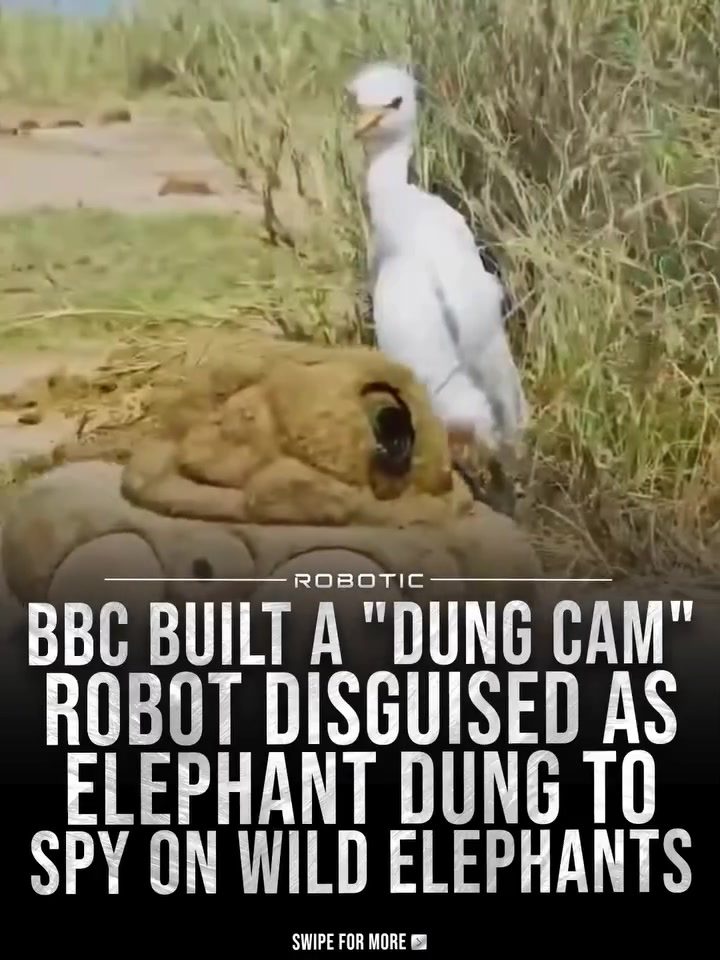
The Dung Cam: A Revolutionary Camera Disguised as Elephant Dung
Wildlife filming often poses significant challenges when it comes to capturing natural animal behaviors without human interference. Traditional methods can disturb the animals, leading to unnatural behaviors and compromised footage. This is where innovative technology like the Dung Cam comes into play. Created by BBC engineers for the Spy in the Wild series, the Dung Cam is a remarkable example of how robots, technology, and filmmaking can unite to document wildlife in its natural state.
Why This Matters
The Dung Cam is more than just a novel gadget; it represents a significant advancement in wildlife filming technology. By allowing filmmakers to capture unprecedented footage of wild animals behaving naturally, it provides invaluable insights into their behaviors and habitats. This technology could revolutionize the way documentaries are made, offering viewers a more authentic and immersive experience.
Understanding the Dung Cam
Design and Functionality
The Dung Cam is a camera disguised as a pile of elephant dung, designed to blend seamlessly into the environment. Built by wildlife filmmaker John Downer, this remote-controlled device houses a high-definition camera within a realistic rolling shell that mimics the appearance of elephant dung. The shell is crafted to closely resemble the real thing, down to the texture and smell, making it almost indistinguishable from actual elephant dung.
Unique Features
Several unique features set the Dung Cam apart from traditional wildlife filming equipment:
- Biomimicry: The Dung Cam's design is inspired by the natural environment, making it nearly undetectable to the animals it observes. This biomimicry ensures that the animals behave naturally, providing more authentic footage.
- Remote Control: The camera is guided wirelessly from a distance, allowing filmmakers to control its movements without getting close to the animals. This minimizes human interference and reduces the risk of disturbing the wildlife.
- Zoom Lens: Equipped with a high-quality zoom lens, the Dung Cam can capture detailed footage of the elephants' every move. This is particularly useful for filming in close-up, where traditional cameras might be too intrusive.
The Benefits of Dung Cam
The Dung Cam offers several key advantages for wildlife filmmaking:
- Minimal Disturbance: By disguising the camera as elephant dung, it can get closer to the animals without causing alarm. This results in more authentic and natural footage.
- Versatility: The camera's design and remote control capabilities make it suitable for various filming scenarios, from dense forests to open savannahs.
- Durability: Built to withstand the rugged conditions of the wild, the Dung Cam is robust and reliable, ensuring it can capture footage in harsh environments.
Practical Tips for Using Wildlife Cameras
Using advanced technology like the Dung Cam requires careful planning and execution. Here are some practical tips for getting the most out of wildlife cameras:
Preparation
Before deploying a wildlife camera, it's essential to:
- Research the Environment: Understand the terrain, animal behaviors, and potential hazards. This will help in positioning the camera effectively and ensuring its safety.
- Test the Equipment: Conduct thorough tests to ensure the camera is functioning correctly and that all controls are responsive. This includes checking the zoom lens, remote control, and battery life.
Deployment
When deploying the camera, consider the following:
- Camouflage: Ensure the camera is well hidden and blends in with the environment. The Dung Cam's design is perfect for this, but other cameras may require additional camouflage.
- Positioning: Place the camera in a location where it can capture the desired footage without being detected. Use natural features like rocks, trees, or bushes to conceal the camera.
Monitoring and Retrieval
Once the camera is in place, it's crucial to:
- Monitor Regularly: Keep an eye on the camera's progress and retrieve any footage captured. This will help in adjusting the camera's position or settings as needed.
- Retrieve Carefully: When retrieving the camera, do so without disturbing the animals. Ensure the camera is completely dismantled or well-hidden to avoid detection.
Important Takeaways
The Dung Cam exemplifies the power of innovation in wildlife filming. By combining robotics, biomimicry, and filmmaking technology, it has opened up new possibilities for capturing natural animal behaviors. Key takeaways include:
- Advanced Technology: Innovations like the Dung Cam are pushing the boundaries of what's possible in wildlife filming, offering unprecedented access to natural behaviors.
- Minimal Interference: The use of disguise and remote control ensures that animals can behave naturally, providing more authentic footage.
- Versatility and Durability: These cameras are designed to withstand rugged conditions, making them suitable for various filming environments.
Conclusion
The Dung Cam is a groundbreaking innovation in wildlife filming, showcasing how technology can be used to capture natural behaviors without disturbing the animals. By blending robotics, biomimicry, and filmmaking expertise, BBC engineers have created a tool that allows for unprecedented observation of wildlife. As this technology continues to evolve, it promises to revolutionize the way we document and understand the natural world, offering viewers a more immersive and authentic experience.
Watch the Reel
Questions readers ask
How does the Dung Cam help in capturing natural animal behaviors?
The Dung Cam, disguised as elephant dung, allows filmmakers to capture natural animal behaviors by remaining undetected. This unobtrusive design helps to reduce human interference, ensuring that the animals behave as they naturally would, without being disturbed by the presence of a camera.
Who developed the Dung Cam and for what purpose?
The Dung Cam was developed by BBC engineers for the series 'Spy in the Wild'. The purpose of this innovative device is to provide a unique, immersive experience for viewers by capturing authentic wildlife behavior.
What are the benefits of using the Dung Cam compared to traditional filming methods?
Unlike traditional methods, the Dung Cam offers an unobtrusive way to film wildlife. It captures natural behaviors and minimizes disturbances, resulting in more authentic and compelling footage by offering a more immersive experience.
What kind of technology is used in the Dung Cam?
The Dung Cam combines cutting-edge robotics and filmmaking technology. It is a sophisticated device designed to look like elephant dung, allowing it to blend seamlessly into the environment and capture unprecedented footage of wild animals.
Can the Dung Cam be used to monitor elephant behavior specifically?
Yes, the Dung Cam is particularly effective for monitoring elephant behavior. By mimicking elephant dung, it can be placed in areas where elephants frequent, providing a unique perspective on their natural behaviors and interactions.
What other innovative technologies have been used in wildlife filming?
In addition to the Dung Cam, other innovative technologies have been employed in wildlife filming, such as drone cameras, thermal imaging, and motion-activated cameras. These technologies help capture wildlife behaviors in various environments and conditions.
Related deep dives
Similar reads based on topic and creator.



Recent articles
Fresh deep dives from the latest Reels we unpacked.




Comments
Be the first to comment.