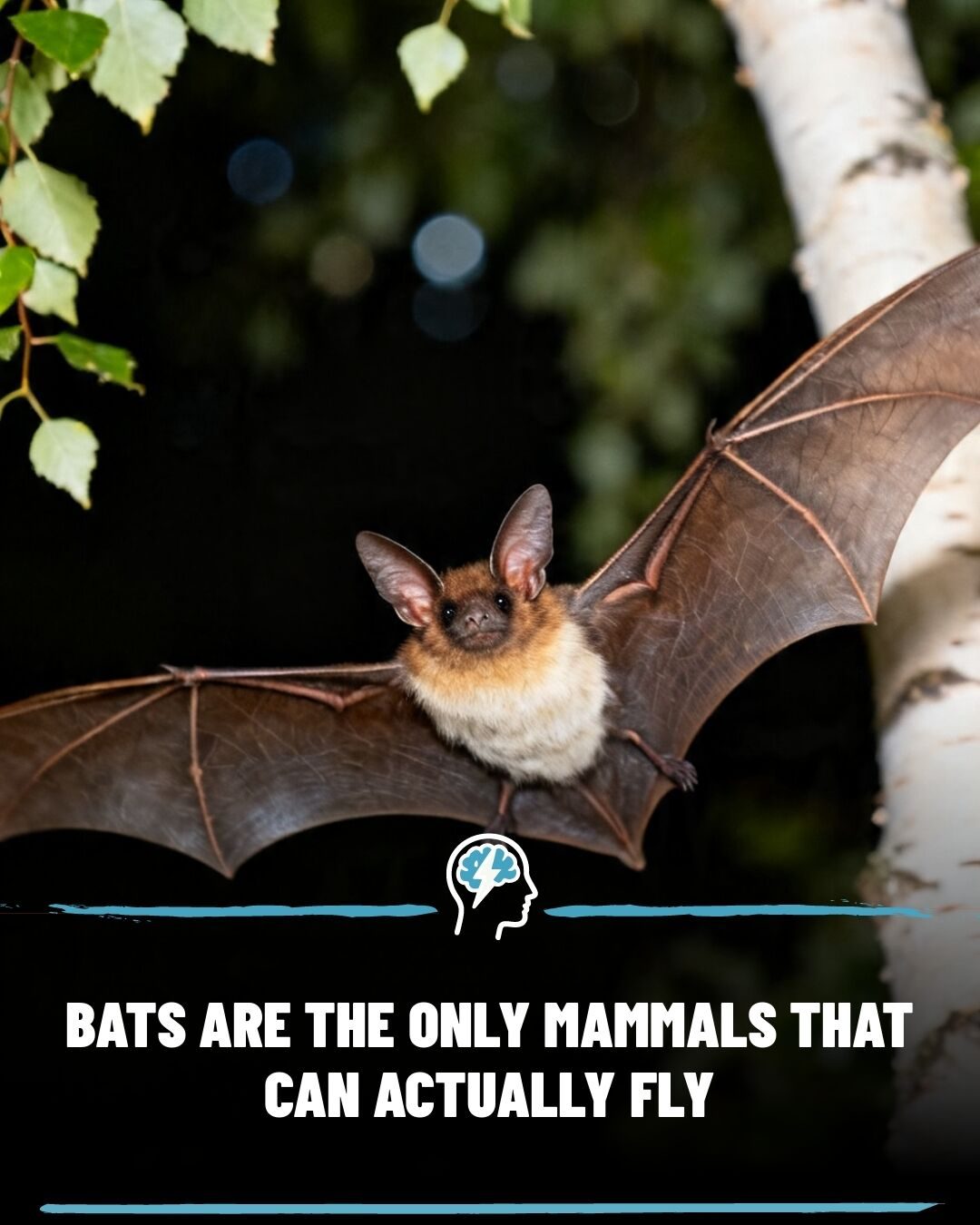
Bats: The Only Mammals Capable of True Flight
Bats are extraordinary creatures, renowned for their unique ability to fly. Unlike other mammals, bats possess the remarkable capability of true, sustained flight. This adaptation has allowed them to evolve into a diverse group of over 1,400 species, each playing a crucial role in various ecosystems around the world.
Why This Matters
The flight of bats is more than just an impressive physical trait; it is a critical evolutionary advantage that has shaped the ecological roles of these mammals. Understanding the intricacies of their flight mechanics and anatomical adaptations provides insight into the remarkable diversity and resilience of these creatures.
The Mechanics of Bat Flight
Anatomy of Bat Wings
Bat wings are fundamentally different from the wings of birds or the gliding membranes of flying squirrels. They are composed of elongated finger bones connected by thin, flexible membranes called patagia. These membranes contain elastin fibers and connective tissue, providing both durability and remarkable flexibility. This unique structure allows bats to generate lift and thrust with every wing beat, enabling them to climb, hover, and maneuver through complex environments with unparalleled agility.
True Flight vs. Gliding
While flying squirrels and sugar gliders can glide impressive distances, they always lose altitude. They fall with style, but they do not generate lift. Bats, on the other hand, create active propulsion with each wing beat, allowing them to maintain sustained flight and even climb higher. This true flight capability sets them apart from all other mammals.
Evolutionary History
Fossil evidence suggests that the ability to fly in bats emerged over 50 million years ago. This long evolutionary history has allowed for the refinement of their flight mechanisms into something extraordinary. The elongated finger bones and flexible membranes have been perfected over millions of years, making bats the only mammals capable of true flight.
The Ecological Impact of Bat Flight
Bats play a vital role in many ecosystems, and their unique flight capabilities are a significant factor in this. From tropical forests to agricultural regions, bats can escape ground predators, travel long distances efficiently, and access food sources that walking or climbing simply cannot reach. Their flight supports entire ecosystems in numerous ways.
Pollination and Seed Dispersal
Many bat species are essential pollinators and seed dispersers. Their ability to fly long distances allows them to transport pollen and seeds across large areas, aiding in the reproduction and dispersal of plant species. This ecological role is crucial for maintaining biodiversity and the health of many ecosystems.
Insect Control
Bats are also voracious insect consumers. They use echolocation to navigate and hunt insects mid-air, making them effective natural pest controllers. This behavior helps regulate insect populations, reducing the need for chemical pesticides and benefiting agricultural systems.
Navigating Darkness
Bats' echolocation abilities, combined with their flight, allow them to navigate and hunt in complete darkness. This unique adaptation enables them to exploit ecological niches unavailable to other mammals, further emphasizing the importance of their flight capabilities.
Practical Tips for Understanding and Appreciating Bats
Observing Bats in Nature
The best way to appreciate the extraordinary flight of bats is to observe them in their natural habitats. Look for bats at dusk when they emerge from their roosts to feed. Watching them in flight can provide a deeper understanding of their agility and maneuverability.
Supporting Bat Conservation
With over 1,400 species, bats are a diverse and vital part of many ecosystems. Supporting conservation efforts can help protect these remarkable creatures and the environments they depend on. This can include participating in local bat conservation projects, promoting bat-friendly practices, and advocating for policies that protect bat habitats.
Learning More About Bat Anatomy
For those interested in the science behind bat flight, studying their anatomy and physiology can be fascinating. Books, documentaries, and academic papers offer in-depth insights into the unique adaptations that enable bats to fly.
Important Takeaways
Unique Adaptations
Bats' unique wing structure, composed of elongated finger bones and flexible membranes, allows them to generate lift and thrust, enabling true flight. This adaptation has been refined over millions of years and is unmatched by any other mammal.
Ecological Significance
The flight capabilities of bats are crucial for their ecological roles. They pollinate plants, disperse seeds, and control insect populations, making them vital for the health of many ecosystems.
Diversity and Resilience
The diversity within the bat family is as remarkable as their flight ability. Over 1,400 species have evolved to exploit various ecological niches, showcasing the resilience and adaptability of these mammals.
Conclusion
Bats are not only fascinating creatures but also essential components of many ecosystems. Their unique flight capabilities, driven by a remarkable evolutionary adaptation, have allowed them to thrive in diverse environments and play crucial ecological roles. From pollinating plants to controlling insect populations, bats' flight is a testament to the extraordinary adaptations that have evolved over millions of years. The next time you observe a bat at dusk, you are witnessing a phenomenon unique to the animal kingdom.
Watch the Reel
Questions readers ask
What makes bats unique among mammals?
Bats are unique because they are the only mammals that can achieve true, sustained flight. This ability has allowed them to evolve into a diverse range of species, with over 1,400 identified, each with unique characteristics and ecological roles.
How do bats' wings differ from those of birds and insects?
Bat wings are distinct because they are formed from elongated fingers and a membrane that stretches between them, known as the patagium. This structure allows for a high degree of maneuverability and control, unlike the wings of birds or the simpler membranes of insects.
What role do bats play in various ecosystems?
Bats contribute significantly to ecosystems by controlling insect populations, pollinating plants, and dispersing seeds. Their flight capabilities enable them to cover large areas and access a variety of food sources, making them indispensable in many habitats.
How fast can bats fly?
The flight speed of bats varies by species, but some can reach impressive speeds. For instance, the Mexican free-tailed bat, which is known for its speed, can fly at speeds up to 100 miles per hour during hunting dives, with a typical speed around 30-40 miles per hour.
What adaptations enable bats to power their flight?
Bats have several adaptations that facilitate their flight, including a lightweight skeleton, powerful chest muscles, and a unique respiratory system that allows for efficient oxygen exchange. Their wings also have a flexible membrane that can change shape during flight, aiding in both lift and maneuverability.
How do bats use their wings in different flight behaviors?
Bats employ various flight behaviors, such as hovering, gliding, and dynamic maneuvers, using their wings to change direction rapidly. Their wing structure allows for complex movements, including tight turns and sudden stops, which are crucial for capturing prey and navigating through dense environments.
What are the different types of bat wings and their functions?
There are three main types of bat wings: fast flying, slow flying, and aerial hawking. Fast-flying bats have narrow, pointed wings designed for high-speed flight and long-distance travel. Slow-flying bats have broader wings suited for maneuverability and hovering. Aerial hawking bats have a mix of the two, balancing speed and agility for hunting in open spaces and capturing flying insects.
Related deep dives
Similar reads based on topic and creator.




Recent articles
Fresh deep dives from the latest Reels we unpacked.




Comments
Be the first to comment.