Bats: Nature’s Pest Controllers
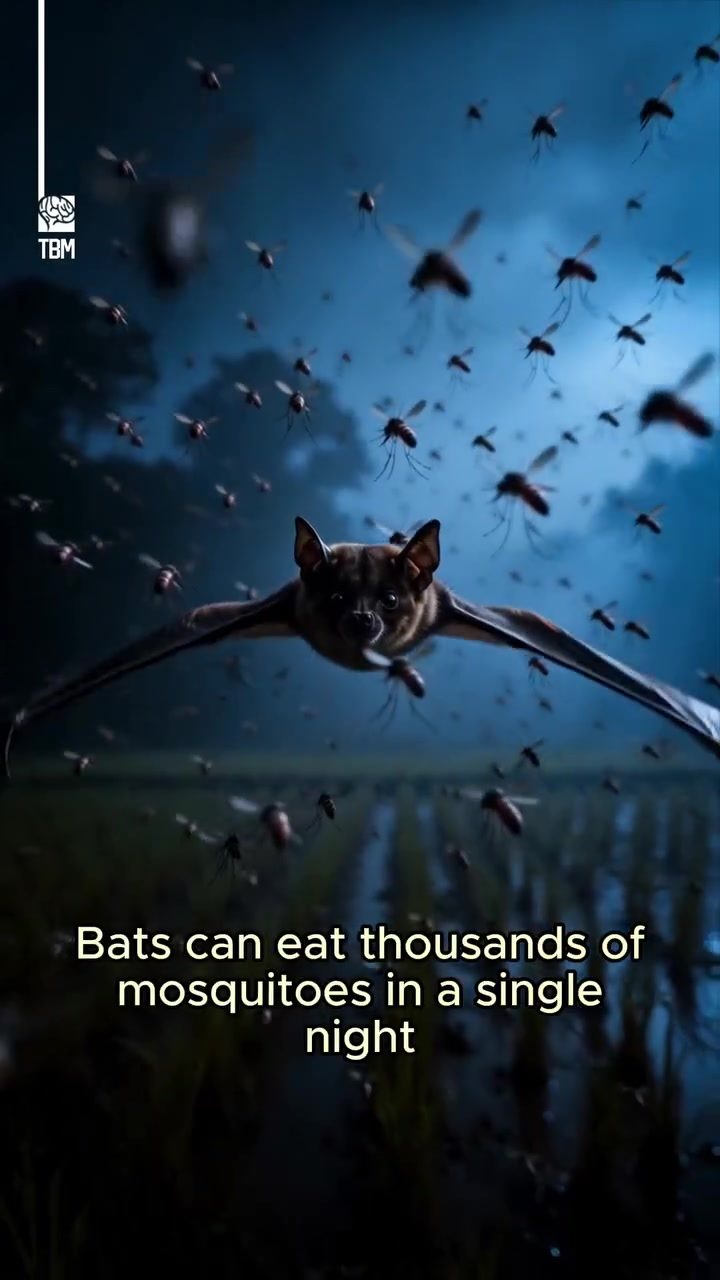
Bats are among the most effective natural pest controllers, particularly when it comes to mosquitoes. These flying mammals are capable of consuming thousands of mosquitoes and other insects in a single night, making them invaluable allies in the fight against disease-spreading pests.
Why This Matters
Mosquitoes are more than just a nuisance; they are vectors for serious diseases such as malaria, dengue fever, and Zika virus. By reducing mosquito populations, bats play a crucial role in protecting human health and maintaining ecological balance. Their nightly hunting excursions help control insect populations, which in turn reduces the spread of diseases and protects crops and ecosystems.
The Role of Bats in Pest Control
Echolocation and Hunting
Bats use advanced echolocation to hunt with remarkable accuracy, even in complete darkness. This sophisticated sensory system allows them to detect and capture tiny prey with incredible precision. Every evening, bats take to the skies and begin their hunt, targeting insects that bite humans and spread disease.
Mosquito Consumption
A single bat can consume an astonishing number of mosquitoes and other pests in one night. This high consumption rate is a significant factor in controlling insect populations. By keeping mosquito numbers in check, bats help reduce the risk of disease outbreaks and protect both human communities and agricultural crops.
Ecological Balance
Bats contribute to maintaining ecological balance by controlling insect populations. Their nocturnal hunting habits ensure that ecosystems remain healthy and balanced, benefiting all forms of life, from plants to larger animals. By quietly protecting people, crops, and ecosystems, bats provide a natural form of pest control.
Practical Tips for Attracting Bats
If you're looking to harness the benefits of bats in your own backyard or community, here are some practical tips for attracting these beneficial creatures:
Install Bat Houses
Bat houses provide a safe and suitable habitat for bats to roost and raise their young. By installing bat houses, you can encourage bats to live in your area, increasing their pest-controlling benefits. Place bat houses in areas with minimal human disturbance and ensure they are positioned at least 10-15 feet above the ground, facing south or southeast to capture morning sunlight.
Create a Bat-Friendly Environment
Bats need a steady supply of water and insects to thrive. Planting native vegetation and installing a small pond or water feature can attract the insects that bats feed on, making your property more appealing to these beneficial mammals. Avoid using pesticides, as they can harm bats and the insects they rely on for food.
Protect Natural Habitats
Preserving natural habitats is crucial for maintaining healthy bat populations. Avoid clearing trees, especially those with cavities that bats use for roosting. If you must clear land, consider planting new trees that can provide future roosting sites for bats.
Important Takeaways
-
Efficiency in Pest Control: Bats are exceptionally efficient at controlling mosquito populations, consuming thousands of insects in a single night.
-
Echolocation Advantage: Their advanced echolocation system allows them to hunt with remarkable accuracy, even in complete darkness.
-
Ecological Benefits: By reducing the number of disease-spreading insects, bats help protect human health and maintain ecological balance.
-
Practical Steps: Installing bat houses, creating a bat-friendly environment, and protecting natural habitats can attract bats and harness their pest-controlling benefits.
Conclusion
Bats play a vital role in controlling pest populations, particularly mosquitoes, which can spread serious diseases. Their advanced echolocation skills and high insect consumption rates make them invaluable allies in maintaining ecological balance and protecting human health. By taking practical steps to attract and support bats, communities can benefit from this natural form of pest control, ensuring healthier environments for all.
Watch the Reel
Questions readers ask
How many mosquitoes can a single bat consume in one night?
A single bat can eat up to 1,000 mosquitoes in a single night. This high consumption rate makes them very effective at controlling mosquito populations naturally.
What role does echolocation play in bats' mosquito-hunting abilities?
Bats use echolocation to emit high-pitched sounds and listen for the echoes to determine the location of their prey. This advanced system allows them to hunt mosquitoes with remarkable precision, even in complete darkness.
How do bats contribute to disease control in addition to mosquito reduction?
Bats help control disease spread by reducing the number of mosquitoes, which are carriers for serious illnesses like malaria, dengue fever, and Zika virus. By keeping mosquito populations in check, bats decrease the likelihood of these diseases being transmitted to humans.
What are the benefits of using bats for mosquito control instead of chemical repellents?
Using bats for mosquito control is an environmentally friendly and natural alternative to chemical repellents. Bats provide continuous and widespread mosquito reduction without the need for harmful chemicals, which can have negative impacts on ecosystems and human health.
Do bats have any other benefits to ecosystems besides mosquito control?
Yes, bats play a crucial role in ecosystems beyond mosquito control. They help pollinate plants, disperse seeds, and control other pest populations, contributing to the overall health and balance of various environments.
What is the best way to attract bats for natural mosquito control?
To attract bats, you can install bat houses in your yard or garden. These provide safe, sheltered spaces for bats to roost. Additionally, having a source of water nearby and planting mosquito-attracting plants can help encourage bats to stay in the area.
Are there any specific species of bats known for their mosquito-hunting abilities?
While many bat species feed on mosquitoes, some are particularly efficient. For example, the Mexican Free-tailed Bat is known for its voracious appetite for mosquitoes and other flying insects, making it a standout in natural pest control efforts.
Related deep dives
Similar reads based on topic and creator.


Recent articles
Fresh deep dives from the latest Reels we unpacked.




Comments
Be the first to comment.