
What Makes Battery Storage Startup Base Power Worth $13 Billion?
BASE Power, a startup specializing in home battery storage systems, has recently garnered significant attention by raising $1 billion at a $13 billion valuation. The company's success isn't just about installing better batteries; it's about creating a distributed power plant network that revolutionizes energy infrastructure.
Why This Matters
The energy landscape is rapidly evolving, driven by increasing electricity demand, particularly from AI data centers. Traditional power plants and grid infrastructure can't keep up with this growth. BASE Power addresses this challenge by transforming ordinary homes into part of a larger energy network. This shift not only meets rising demand but also provides a more resilient and efficient power grid.
The Power of Distributed Energy
The Base Core Battery
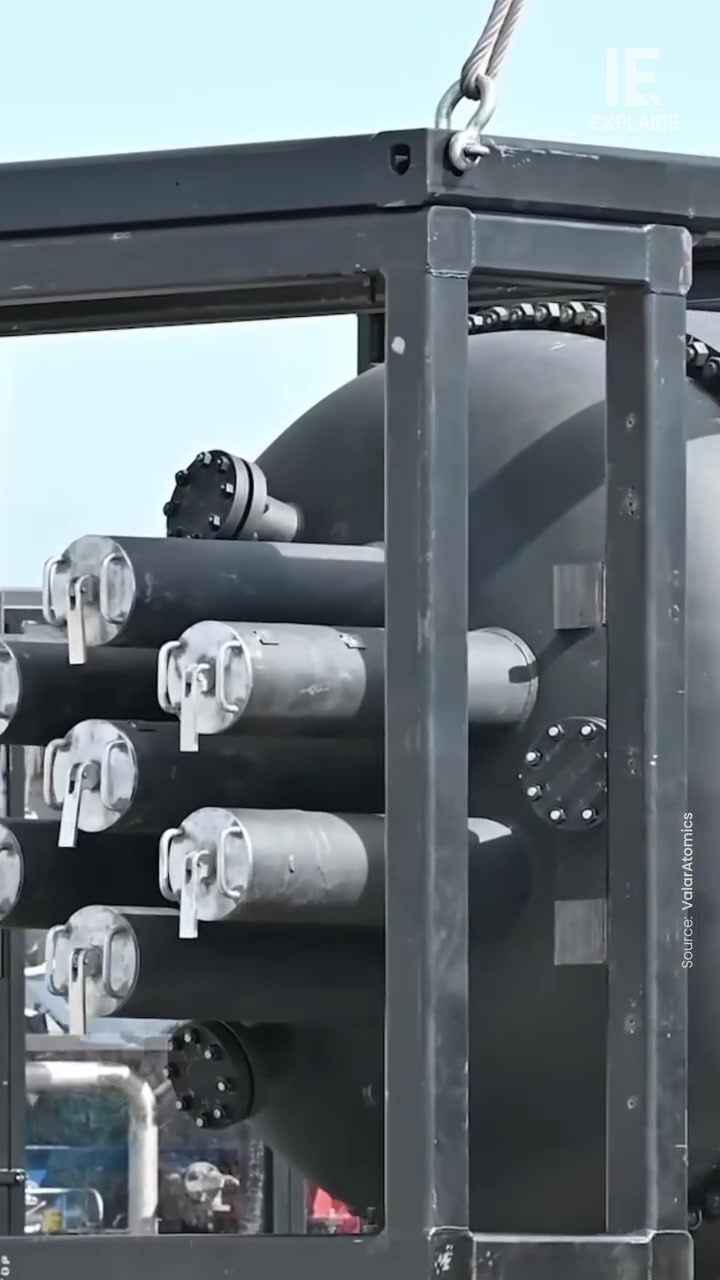
BASE Power's flagship product, the Base Core, stores 39.2 kilowatt-hours of energy, nearly three times the capacity of most home batteries on the market. This high capacity is crucial for providing reliable backup power to homes and contributing to the larger energy network.
The Network Effect
The true innovation lies not in the battery itself, but in the network it creates. Each Base battery is connected through sophisticated software, allowing thousands of units to operate in unison. This distributed power plant model enables BASE Power to:
- Charge Batteries When Electricity is Cheap: By utilizing off-peak hours, BASE Power reduces the cost of energy storage.
- Supply Power During Peak Demand: When electricity demand spikes, the network draws on stored energy, sending it back to the grid.
- Increase Grid Capacity: This distributed approach adds capacity to the grid without the need for new power plants, which can take years to build.
Benefits for Homeowners and Utilities
- Homeowners: Receive reliable backup power, ensuring their homes remain powered even during outages.
- Utilities: Gain additional capacity and resilience, reducing the strain on the grid during peak demand periods.
The Investment Perspective
Investors, including JPMorgan Chase, see BASE Power as more than just a battery company. They are financing a new layer of the American power grid. This perspective is underscored by the fact that for over a century, homes have been at the end of the grid, consuming electricity. Now, with BASE Power, homes can store power, respond to demand, and become integral parts of a larger energy network.
The Impact on Energy Infrastructure
BASE Power's approach represents a paradigm shift in energy infrastructure. Instead of building one enormous power plant outside a city, BASE Power installs thousands of small, interconnected units within ordinary homes. This decentralized model offers several advantages:
- Faster Deployment: Traditional power plants can take years to complete, while BASE Power can add new capacity daily.
- Enhanced Resiliency: A distributed network is less vulnerable to single points of failure, making the grid more resilient.
- Adaptability: The network can quickly adapt to changing demand patterns, such as those driven by AI data centers.
Practical Tips for Homeowners and Investors
For homeowners:
- Evaluate Energy Needs: Consider how much backup power you need and whether a BASE Power system can meet those requirements.
- Check Compatibility: Ensure your home is suitable for battery installation and can accommodate the Base Core.
- Understand the Benefits: Recognize that by installing a Base battery, you're not just getting backup power; you're contributing to a larger energy network.
For investors:
- Recognize the Bigger Picture: BASE Power is more than a battery company; it's a new way to build energy infrastructure.
- Consider Long-term Investment: The growing demand for electricity and the need for resilient energy networks make BASE Power a compelling investment opportunity.
- Look for Strategic Partnerships: Companies like JPMorgan Chase are already seeing the potential in BASE Power's approach.
Important Takeaways
- Distributed Power Plants: BASE Power's model of connecting thousands of home batteries creates a distributed power plant, enhancing grid capacity and resilience.
- Investment Potential: The $13 billion valuation reflects investors' confidence in BASE Power's innovative approach to energy infrastructure.
- Future of Energy: By transforming homes into energy assets, BASE Power is paving the way for a more adaptive and resilient energy network.
Conclusion
BASE Power's $13 billion valuation is a testament to its innovative approach to energy storage and distribution. By turning homes into energy assets, BASE Power is not just building a better battery; it's building a new layer of the American power grid. This distributed model offers a more resilient, efficient, and adaptable energy infrastructure, capable of meeting the demands of a rapidly evolving energy landscape.
Watch the Reel
Questions readers ask
What is BASE Power's core business model?
BASE Power specializes in developing high-capacity battery systems for residential use. Their primary goal is to transform homes into distributed power plants, which helps meet growing electricity demands, particularly from AI data centers. This model not only benefits homeowners by providing them with a reliable energy source but also contributes to a more stable and efficient power grid.
How does BASE Power's approach improve grid resilience?
By integrating high-capacity batteries into homes, BASE Power creates a network of distributed power plants. This decentralized approach ensures that the power grid can better withstand and recover from disruptions, such as extreme weather events or equipment failures. It also helps in managing peak electricity demands more effectively, reducing the strain on traditional power plants.
Why is there a growing demand for home energy storage systems?
The increasing demand for electricity, especially from AI data centers, is outpacing the capacity of traditional power plants and grid infrastructure. Home energy storage systems, like those provided by BASE Power, help address this imbalance by providing additional storage capacity and generating power locally, making the grid more efficient and reliable.
How does BASE Power's technology benefit homeowners?
Homeowners benefit from BASE Power's technology through enhanced energy independence and cost savings. By storing excess energy generated during off-peak hours, homeowners can use it during peak hours, reducing their reliance on the grid and lowering electricity bills. Additionally, this setup contributes to a more sustainable energy ecosystem by leveraging renewable energy sources.
What role do AI data centers play in BASE Power's business strategy?
AI data centers are significant drivers of electricity demand, making them a critical focus for BASE Power. By providing a network of distributed power plants, BASE Power can help meet the high energy requirements of these data centers, ensuring a stable and efficient power supply. This alignment positions BASE Power as a key player in the evolving energy landscape.
Related deep dives
Similar reads based on topic and creator.




Recent articles
Fresh deep dives from the latest Reels we unpacked.


Comments
Be the first to comment.