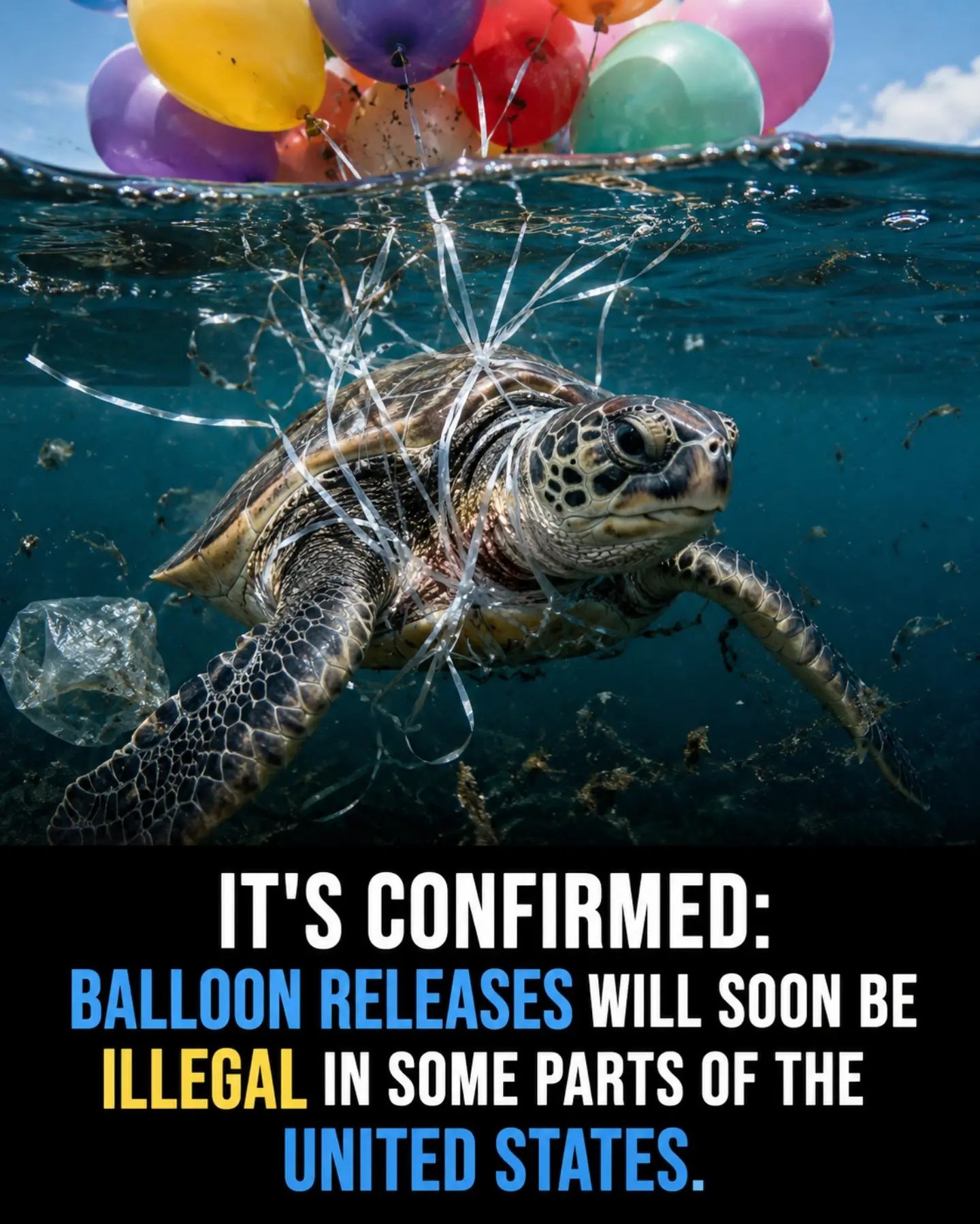
Balloon Releases and Marine Life: Understanding the Danger and Legal Changes
Balloon releases, once a popular tradition at celebrations, are now under scrutiny due to their environmental impact, particularly on marine life. The imagery of a sea turtle entangled in balloon ribbons underwater underscores the severity of this issue. Recent developments indicate that ballot releases will soon be illegal in some parts of the United States, highlighting the growing awareness and action against this form of pollution.
Why This Matters
Marine animals, including sea turtles, face significant threats from various forms of pollution, and balloons are a notable contributor. When balloons are released into the air, they often end up in bodies of water. As they deflate and disintegrate, the remnants can be mistaken for food by marine animals, leading to ingestion and potential death. Additionally, the ribbons and strings attached to balloons can entangle animals, causing injury or drowning.
The Dangers of Balloon Releases
Ingestion and Internal Damage
Marine animals, particularly sea turtles, often mistake balloon fragments for jellyfish, a common part of their diet. When ingested, these fragments can cause blockages in the digestive system, leading to starvation and death. The plastic material in balloons does not break down easily, exacerbating the problem.
Entanglement Risks
The ribbons and strings attached to balloons pose a significant entanglement risk for marine life. Sea turtles, dolphins, and other aquatic creatures can become trapped in these strings, which can restrict their movement, cause injuries, and even lead to drowning. Entanglement can also hinder an animal's ability to feed and escape predators, further endangering its survival.
Legal Changes and Environmental Awareness
Legislation and Enforcement
Several states in the U.S. are taking steps to reduce balloon pollution. Legislation is being enacted to ban or limit balloon releases, especially at public events and celebrations. These measures aim to protect marine life by reducing the number of balloons that end up in water bodies.
Public Awareness Campaigns
Environmental organizations and local governments are launching awareness campaigns to educate the public about the dangers of balloon releases. These campaigns aim to promote eco-friendly alternatives to balloons, such as biodegradable confetti, bubbles, or even plants, which can help minimize environmental impact.
Practical Alternatives to Balloon Releases
If you're planning an event and want to avoid using balloons, consider these eco-friendly alternatives:
Biodegradable Confetti
Biodegradable confetti is a great alternative to balloons. It is made from materials like recycled paper or cornstarch, which break down naturally in the environment. This option adds a festive touch without the environmental risks.
Bubbles
Blowing bubbles is another fun and harmless activity. Bubbles pose no threat to marine life and can be made from natural ingredients, making them a safe and enjoyable choice for all ages.
Plants and Flowers
For a more sustainable option, consider using plants or flowers as decorations. They can be composted or replanted after the event, making them an eco-friendly choice that adds beauty to your celebration.
Paper Lanterns
Paper lanterns offer a visually stunning and environmentally friendly alternative. They can be released outdoors, providing a memorable experience without the risks associated with balloons. Opt for lanterns made from biodegradable materials to minimize environmental impact.
Important Takeaways
Balloon releases pose significant threats to marine life, including ingestion and entanglement. The legal landscape is changing, with some states in the U.S. enforcing bans on balloon releases to protect marine animals. Promoting awareness and adopting eco-friendly alternatives to balloons is crucial for preserving marine ecosystems.
Conclusion
The dangers of balloon releases to marine life are well-documented, and the upcoming legal changes in some parts of the United States reflect a growing commitment to environmental protection. By choosing eco-friendly alternatives and supporting legislation that safeguards marine ecosystems, we can make a positive impact on the environment. Let's strive for celebrations that are both joyful and environmentally responsible.
Watch the Reel
Questions readers ask
What are the primary dangers of balloon releases to marine life?
Balloon releases pose two main threats to marine life: ingestion and entanglement. Marine animals can mistake deflated balloons for food, leading to fatalities, and they can also become entangled in balloon ribbons, causing injury or death.
Which marine animals are most affected by balloon debris?
Sea turtles are particularly vulnerable to balloon debris. They often mistake balloons for jellyfish, their primary food source, and can become entangled in ribbons. Other marine animals, such as seals and whales, are also affected by entanglement and ingestion.
What kind of legislation is being implemented to address balloon pollution in the U.S.?
In some parts of the U.S., legislation is being introduced to ban or restrict balloon releases. These laws aim to protect marine life by reducing the amount of balloon debris that enters oceans and other bodies of water.
How do balloons end up in the ocean and harm marine life underwater?
When balloons are released into the air, they can travel long distances and eventually land in bodies of water. Once in the water, balloons can resemble food to marine animals, or they can pose entanglement risks to marine animals through their attached ribbons.
Why are some states in the U.S. considering bans on balloon releases?
Due to the significant impact of balloons on marine life, some U.S. states are considering bans on balloon releases. These bans aim to mitigate the risks of ingestion and entanglement, as well as to reduce the amount of underwater debris caused by balloons.
Which states in the U.S. have already implemented balloon release bans to protect marine life?
As of now, some states like California and Florida have introduced restrictions or bans on balloon releases. It is essential to check local legislation, as new laws may be introduced regularly to address the environmental impact of balloons.
What can individuals do to help protect marine life from balloon pollution?
Instead of releasing balloons at celebrations, consider eco-friendly alternatives such as bubbles, confetti, or planting a tree. Additionally, advocate for legislation that restricts balloon releases and helps keep our oceans clean and safe for marine life.
Related deep dives
Similar reads based on topic and creator.


Recent articles
Fresh deep dives from the latest Reels we unpacked.


Comments
Be the first to comment.