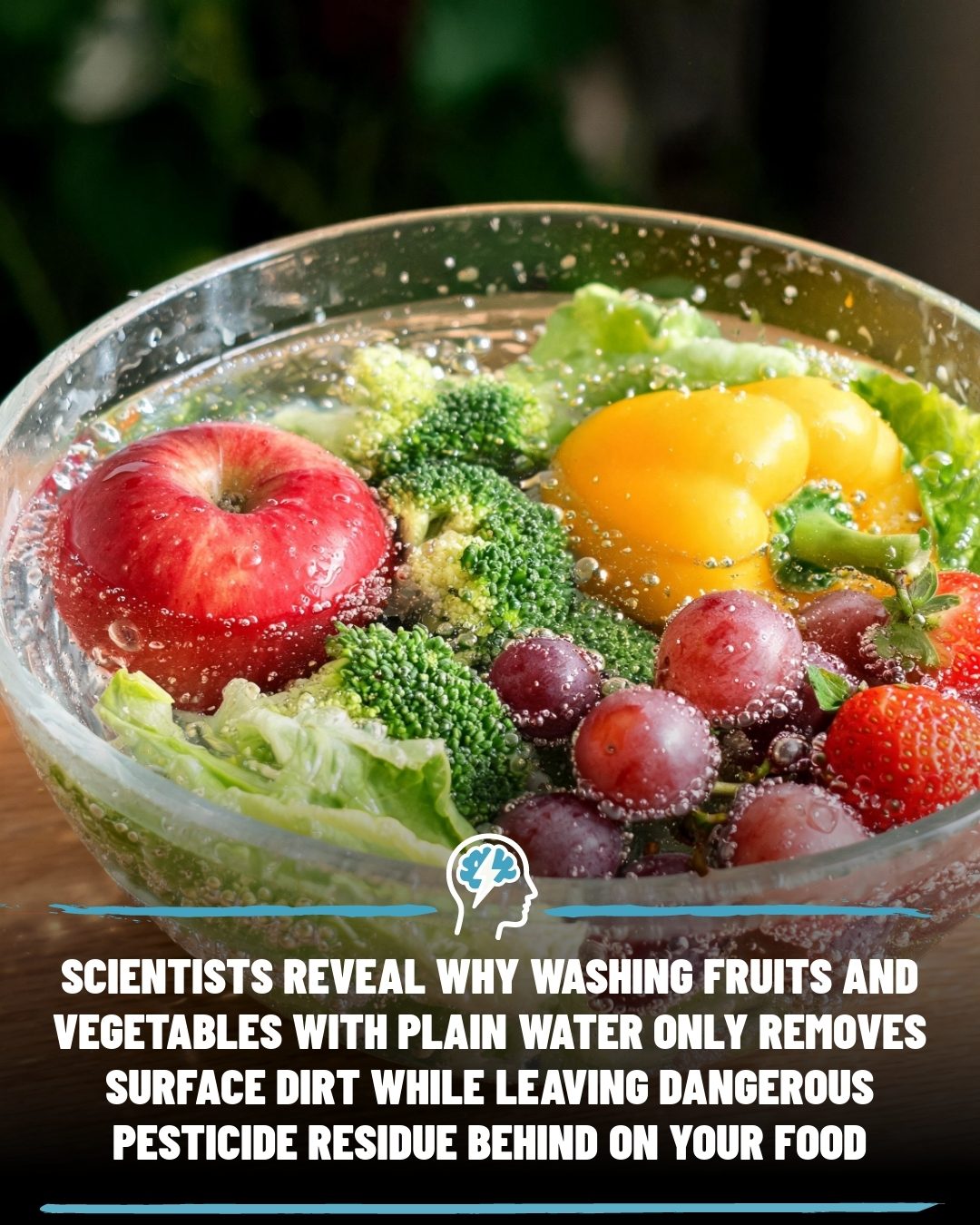
Fruit and Vegetable Washing
Fruits and vegetables are an essential part of a healthy diet, but they can also harbor harmful pesticides and bacteria. Washing produce thoroughly is crucial to remove these contaminants and ensure food safety. While rinsing with plain water is a common practice, it's not the most effective method. Let's delve into the science behind a more effective washing solution.
Why this matters
Contaminants from pesticides and bacteria can pose significant health risks. Pesticide residues on fruits and vegetables can lead to long-term health issues, including cancer and reproductive problems. Similarly, foodborne illnesses caused by bacteria and parasites can result in severe gastrointestinal issues. Understanding the most effective ways to clean produce is vital for maintaining a healthy, safe diet.
Plain water vs. baking soda
Rinsing fruits and vegetables under plain water is a step in the right direction, but it falls short. While it removes loose soil and some surface dirt, many pesticides and bacteria remain. This is because pesticides often penetrate the skin of fruits and vegetables, and plain water can't break down these chemical compounds.
The power of baking soda
Research has shown that a simple kitchen staple—baking soda—is far more effective at removing pesticide residues and bacteria. Sodium bicarbonate, or baking soda, works through a chemical reaction that degrades toxic compounds. This alkaline solution doesn't just clean the surface; it penetrates the skin of the fruit, reaching deeper layers to eliminate more contaminants. This process is particularly effective in removing stubborn biological material, including microscopic parasite eggs, from the uneven surfaces of leafy greens and textured fruits.
How it works
The key to baking soda's effectiveness lies in its chemical properties. It's a non-toxic alternative to commercial produce washes and is readily available in most kitchens. The alkaline nature of baking soda helps break down pesticides and other harmful chemicals, making it a powerful cleaning agent. This process doesn't just clean the surface; it reaches into the skin of the fruit, ensuring a more thorough clean.
Scientific findings
Lab tests have demonstrated the superior cleaning power of baking soda. When produce is soaked in a baking soda solution for 12 to 15 minutes, it can eliminate up to 99 percent of certain common pesticides from the surface. This level of effectiveness makes baking soda a reliable choice for ensuring food safety.
Practical tips
Preparation
To prepare a baking soda solution, follow these simple steps:
- Fill a bowl or clean sink with water.
- Add 1 teaspoon of baking soda per 2 cups of water.
- Soak the produce in the solution for 15 minutes. This allows the baking soda to penetrate the skin and break down contaminants effectively.
Rinsing
After soaking, thoroughly rinse the produce under clean running water. This step ensures that any remaining baking soda residue is removed, leaving the produce clean and safe to eat. This method is particularly useful for fruits and vegetables with waxy or uneven surfaces, as it helps lift and remove contaminants that plain water can't.
Important takeaways
- Plain water is not enough: Rinsing with plain water only removes surface dirt and some soil, leaving behind harmful pesticides and bacteria.
- Baking soda is a powerful cleaning agent: The alkaline solution in baking soda breaks down toxic compounds, reaching deeper into the skin of fruits and vegetables.
- Soaking is key: Soak produce in a baking soda solution for 15 minutes to effectively eliminate up to 99 percent of certain common pesticides.
- Easy and accessible: Baking soda is a non-toxic and readily available kitchen staple, making it a convenient and affordable option for cleaning produce.
Conclusion
Washing fruits and vegetables thoroughly is a critical step in ensuring food safety. While plain water can remove some dirt, it's not enough to eliminate harmful contaminants. Baking soda, on the other hand, offers a powerful, non-toxic solution that effectively breaks down pesticides and bacteria. By soaking produce in a baking soda solution for 15 minutes, you can significantly reduce the risk of foodborne illness and pesticide exposure. This simple habit can make a significant difference in maintaining a healthy diet and protecting your well-being.
Watch the Reel
Related deep dives
Similar reads based on topic and creator.




Recent articles
Fresh deep dives from the latest Reels we unpacked.




Comments
Be the first to comment.