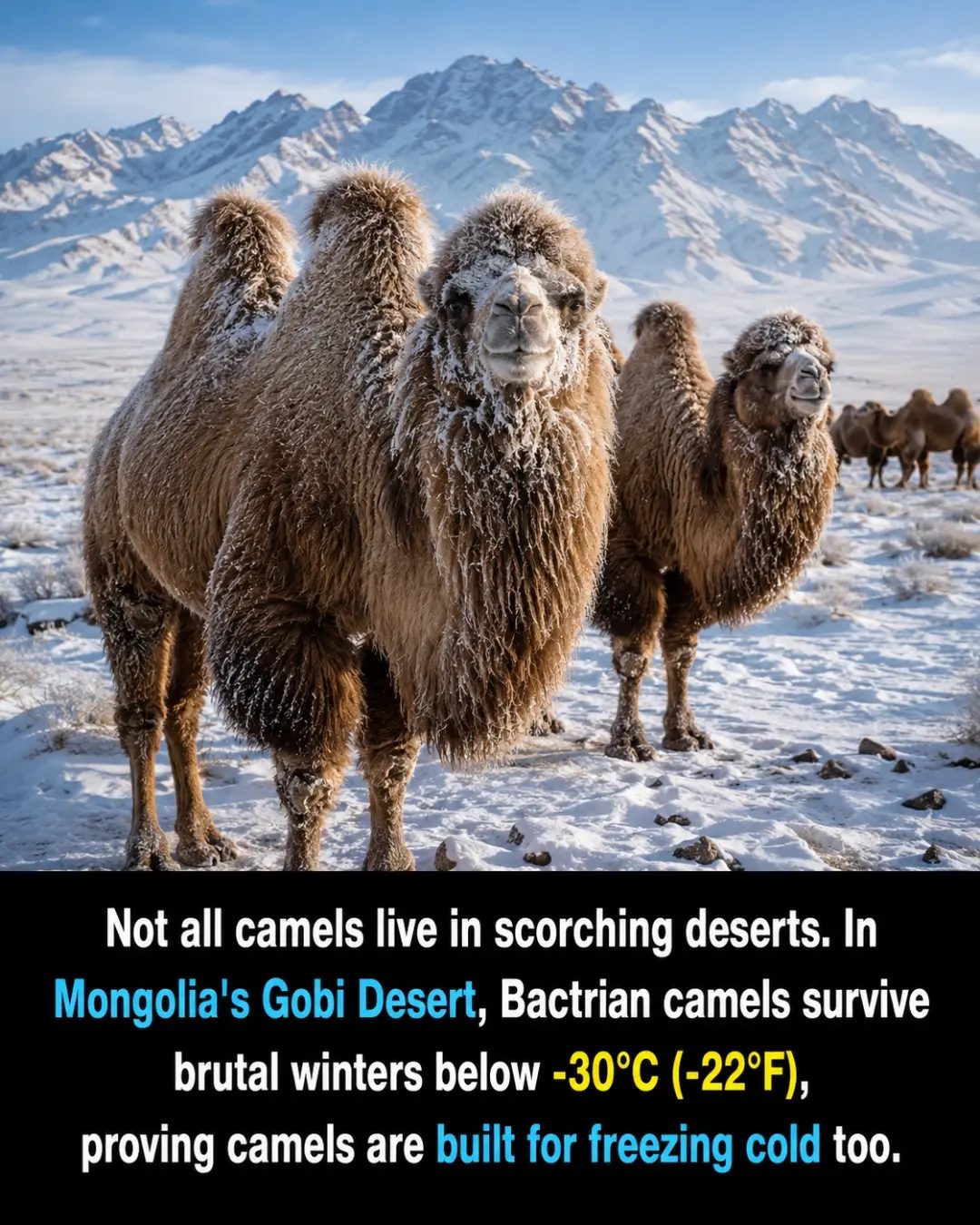
Bactrian Camels in Winter
Bactrian camels are renowned for their hardiness, but their ability to thrive in the scorching deserts of Asia is just one aspect of their remarkable adaptability. In the harsh, unforgiving landscape of Mongolia's Gobi Desert, these creatures face a different kind of challenge: brutal winters with temperatures plummeting below -30°C (-22°F). This surprising fact challenges the common perception of camels as desert-dwelling creatures, showcasing their resilience in freezing conditions.
Context / Why this matters
Understanding the adaptability of Bactrian camels in harsh climates is crucial for several reasons. These camels not only serve as a fascinating subject for wildlife enthusiasts but also provide valuable insights into the mechanisms that allow animals to survive in extreme environments. Additionally, their resilience in the face of such harsh conditions highlights the importance of conservation efforts aimed at preserving these unique ecosystems and the species that inhabit them.
Main discussion
Bactrian Camels: Adapted to Extreme Conditions
Bactrian camels are among the most well-adapted animals to extreme conditions. Their distinctive features, such as humps and thick coats, enable them to endure both scorching desert heat and frigid winters. The humps store fat, which can be converted into water and energy when food and water are scarce. This adaptability is a testament to their survival instincts and biological efficiency.
The Gobi Desert: A Harrowing Environment
The Gobi Desert, spanning parts of northern China and southern Mongolia, is known for its extreme temperatures and sparse vegetation. Winters in the Gobi Desert are particularly brutal, with temperatures dropping to unprecedented lows. The landscape is characterized by vast, barren expanses of sand and rock, making it one of the most inhospitable environments on Earth. Despite these harsh conditions, Bactrian camels have evolved to thrive in this unforgiving terrain.
Surviving the Mongolian Winter
Surviving the Mongolian winter requires a combination of physiological adaptations and behavioral strategies. Bactrian camels have developed a thick, insulating coat that helps retain body heat, making them well-suited to withstand the biting cold. Unlike traditional desert camels, these arctic Bactrian camels can also lower their metabolic rate and conserve energy, a crucial adaptation for enduring long, cold winters. Additionally, their ability to tolerate dehydration and store water in their bodies allows them to survive in arid conditions with limited water sources.
Practical tips
If you're planning to explore the Gobi Desert or any extreme environment, it's essential to understand the key survival strategies of the local wildlife. Here are some practical tips to keep in mind:
Dress in Layers
Dressing in layers is crucial for maintaining body temperature in extreme conditions. Start with a base layer that wicks moisture away from your skin, add an insulating layer, and finish with a windproof and waterproof outer layer. This approach mimics the natural insulation strategies of Bactrian camels and helps regulate body temperature.
Stay Hydrated
Even in cold environments, staying hydrated is essential. Similar to Bactrian camels, which store water in their bodies, ensure you have access to clean water and drink regularly. Dehydration can occur as easily in cold weather as in hot weather.
Understand the Terrain
Knowing the terrain and its unique challenges is crucial. The Gobi Desert's harsh landscape can be deceptive, with hidden dangers such as sandstorms and steep drops. Familiarize yourself with the area and be prepared for sudden changes in weather or terrain.
Keep Warm
In extremely cold environments, staying warm is a matter of survival. Carry a portable shelter and warm clothing, and be prepared to adjust your clothing and shelter based on changing conditions. Just as Bactrian camels adapt their behaviors to the environment, you should do the same.
Important takeaways
The adaptability of Bactrian camels in the Gobi Desert highlights several important points:
- Resilience and Adaptation: Bactrian camels demonstrate remarkable resilience and adaptability, surviving in both extreme heat and extreme cold. This adaptability underscores the importance of preserving ecosystems that support such unique species.
- Physiological Adaptations: Understanding the physiological adaptations of Bactrian camels can provide insights into how other animals and even humans can adapt to extreme environments.
- Conservation Efforts: The survival of Bactrian camels in harsh conditions emphasizes the need for conservation efforts to protect these species and their habitats. These efforts are crucial for maintaining biodiversity and ecosystems.
Conclusion
The ability of Bactrian camels to survive brutal winters in Mongolia's Gobi Desert challenges our traditional perceptions of these desert-dwelling animals. Their resilience and adaptability in the face of extreme conditions serve as a reminder of nature's remarkable capacity to overcome challenges. Whether you're an avid traveler or a wildlife enthusiast, understanding how these animals thrive in such harsh environments can provide valuable insights and practical tips for navigating extreme conditions.
Watch the Reel
Questions readers ask
How do Bactrian camels survive the extreme cold of Mongolia's Gobi Desert winter?
Bactrian camels have several adaptations for cold weather survival. Their thick, insulating coat traps heat and protects them from the harsh winds. Additionally, they can lower their metabolic rate and reduce their body temperature to conserve energy, and their fat-storing humps provide insulation and a reserve of energy during food scarcity.
What is the role of a Bactrian camel's humps in winter survival?
The humps of a Bactrian camel store fat, which serves as an energy reserve during times of food scarcity, such as in the harsh Mongolian winter. This fat can also be converted to water, helping the camel stay hydrated. Furthermore, the humps provide insulation, helping to retain body heat.
How do Bactrian camels adapt to the Gobi Desert's extreme temperatures and how does this benefit them in winter?
Bactrian camels have unique physiological adaptations that allow them to withstand extreme temperatures. They can withstand both the scorching heat of the desert and the brutal cold of the Mongolian winter. Their ability to adapt to such a wide range of temperatures makes them a resilient species that can thrive in various climates, including the extreme cold.
What other adaptations help Bactrian camels survive in the Gobi Desert during winter?
Bactrian camels have thick eyelashes and bushy eyebrows that protect their eyes from snow and ice. Their nostrils can close to keep out cold air, and their broad, flat feet help them traverse the snowy terrain. Additionally, they can tolerate high levels of blood viscosity to prevent freezing.
Do Bactrian camels experience any behavioral changes during the cold winter months in the Gobi Desert?
In response to the harsh winter conditions, Bactrian camels exhibit several behavioral changes. They may huddle together to conserve heat and reduce energy expenditure. Additionally, they tend to move less during the day and may dig through the snow to find vegetation, demonstrating their ability to adapt to their surroundings to ensure survival.
How does understanding Bactrian camel winter survival contribute to wildlife conservation efforts?
Studying Bactrian camel winter survival strategies can inform conservation efforts by highlighting the importance of preserving their habitat and resources. By understanding the unique adaptations of these camels, conservationists can better protect them from threats such as climate change and human interference, ensuring their long-term survival in the wild.
Related deep dives
Similar reads based on topic and creator.



Recent articles
Fresh deep dives from the latest Reels we unpacked.


Comments
Be the first to comment.