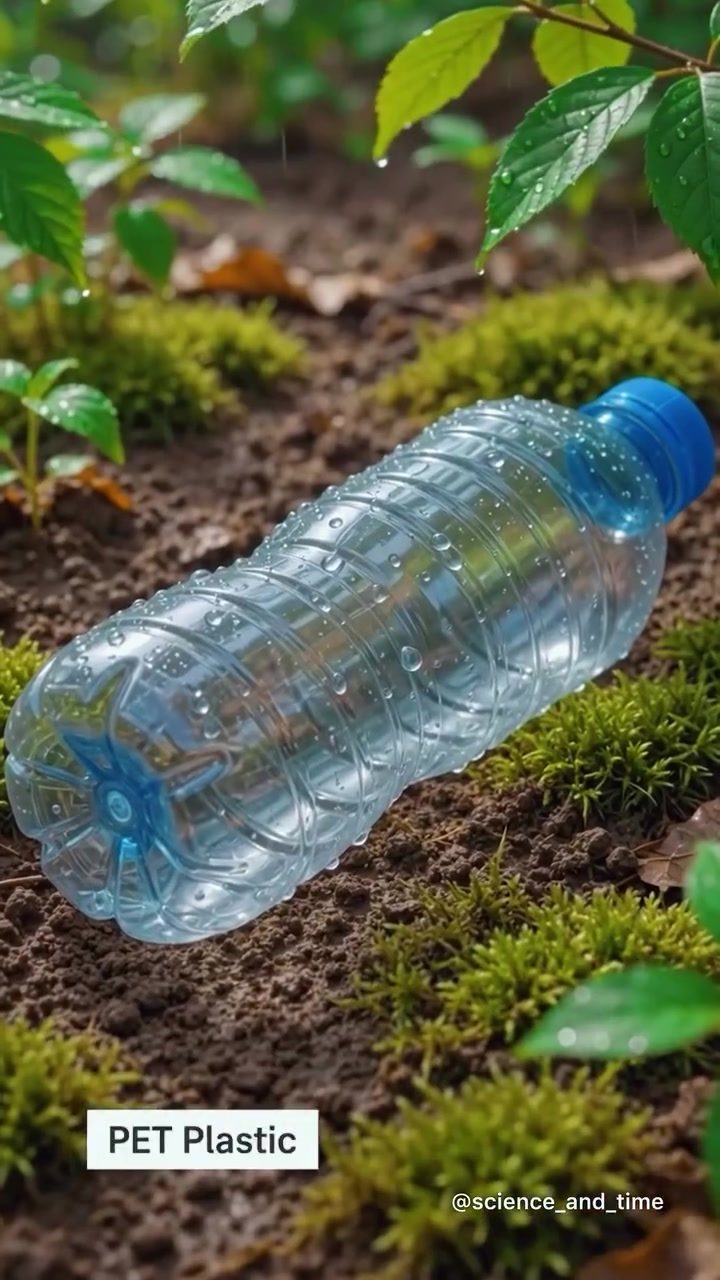
Plastic Degradation and Recycling: The Scientific Behind the Process
Plastic pollution is a global issue that affects every aspect of our environment, from land to sea. Understanding the journey of a plastic bottle, especially PET (Polyethylene Terephthalate) plastics, from disposal to recycling is crucial for grasping the complexities of managing plastic waste. The process involves multiple stages and the role of microorganisms is becoming increasingly significant.
The Challenge of Plastic Degradation
PET plastics, commonly used in water bottles and other containers, are made of tightly linked polymer chains. These strong chemical bonds make PET plastics resistant to degradation by ordinary bacterial enzymes. Most bacteria cannot break down these polymers, which is one of the reasons plastic waste persists in the environment for so long. The tight structure of PET plastics means they do not readily succumb to natural processes of decay, posing a significant environmental challenge.
The Discovery of Idionella sacchiensis
In 2016, a breakthrough discovery took place at a recycling plant in Japan. Scientists identified a new bacterium, Idionella sacchiensis, growing on discarded PET plastic. This bacterium is unique because it can break down the strong chemical bonds of PET plastic. Idionella sacchiensis releases an enzyme called petase, which cuts the long polymer chains of PET into smaller pieces. This is a significant development in the field of plastic degradation and recycling.
The Role of Enzymes in Plastic Breakdown
The enzyme petase is the first line of defense against PET plastics. It works by breaking down the long polymer chains into smaller fragments. This process is followed by a second enzyme called M-H-etase, which further breaks down these fragments into terephthalic acid and ethylene glycol. These molecules can then be absorbed by the bacterium, converted into energy, and used for building materials, allowing the bacterium to grow and reproduce.
The Future of Plastic Recycling
The discovery of petase and M-H-etase has opened up new possibilities for plastic recycling. However, natural bacteria work at a slow pace, making it impractical for large-scale plastic waste management. Improved enzymes and engineered bacteria could make the recycling of PET plastics much faster and more efficient in the future. The process of degrading and recycling plastics is becoming more sophisticated, with ongoing research into making these enzymes more effective and efficient.
The Limitations of Current Technology
While the discovery of Idionella sacchiensis and its enzymes is a step forward, it is not a complete solution to plastic pollution. Currently, petase only fits the chemical structure of PET plastic. Other plastics, with different molecular structures, cannot be broken down by this enzyme. This limitation means that a one-size-fits-all solution is still a work in progress. Scientists are actively engineering new enzymes to handle a variety of plastics, aiming to make the recycling process faster and more efficient.
Beyond PET: The Challenge of Other Plastics
The journey of recycling PET plastics is far more complicated than most people realize. Recyclable plastics can be collected, sorted by type, washed to remove contaminants, shredded into tiny flakes, and processed into material that can be used to manufacture new products. However, not every piece of plastic can or actually does get recycled. Different plastic types require different processes, contamination can make recycling difficult, and some plastics have limited recycling options. From discarded waste to new products, the recycling process involves several stages, each with its own set of challenges.
Practical Tips for Effective Recycling
-
Sorting Plastics: Ensure that different types of plastics are sorted correctly. This makes the recycling process more efficient and reduces contamination.
-
Cleaning: Rinse plastic containers to remove contaminants before recycling. Contaminated plastics can make the recycling process more difficult and less effective.
-
Shredding: Some recycling centers may require plastics to be shredded into smaller pieces. Check with your local recycling facility to see if this step is necessary.
-
Reduce and Reuse: Before recycling, consider ways to reduce your plastic use and repurpose plastic items. This can help decrease the overall amount of plastic waste generated.
Important Takeaways
-
PET and Other Plastics: Different plastics require different recycling methods. Understanding the specific requirements for each type of plastic can help improve recycling efficiency.
-
Microorganisms and Enzymes: The discovery of bacteria like Idionella sacchiensis and its enzymes shows promise for faster and more efficient plastic degradation. However, current technology is still in development.
-
The Complexity of Recycling: The recycling process involves multiple stages, each with its own set of challenges. Proper sorting, cleaning, and shredding are crucial for effective recycling.
-
Future Innovations: Ongoing research into new enzymes and microorganisms could lead to breakthroughs in plastic waste management, making the process faster and more efficient.
Conclusion
Plastic degradation and recycling is a complex process that involves multiple stages and the use of specialized enzymes and microorganisms. While the discovery of Idionella sacchiensis and its enzymes is a significant step forward, there is still much work to be done. Understanding the intricacies of plastic degradation and recycling can help us make more informed decisions and contribute to a cleaner, more sustainable future.
Watch the Reel
Questions readers ask
What is *Idionella sakaiensis* and why is it significant in PET plastic recycling?
*Idionella sakaiensis* is a bacterium discovered on discarded PET plastic. Its significance lies in the enzyme it produces, which can break down the strong chemical bonds of PET, offering a promising solution for more effective and sustainable plastic recycling.
How does the enzyme from *Idionella sakaiensis* break down PET plastics?
The enzyme, secreted by the bacterium, targets the chemical structure of PET, specifically the strong polymer chains that make it resistant to typical bacterial degradation. By breaking these bonds, it facilitates the conversion of PET into simpler compounds.
What are the potential benefits of using bacteria in plastic recycling?
Using bacteria like *Idionella sakaiensis* in plastic recycling could lead to more efficient and eco-friendly waste management. This approach reduces the need for energy-intensive mechanical processes and could potentially lower the environmental impact of plastic disposal.
Can all bacteria break down PET plastics?
No, most bacteria cannot break down PET plastics due to their strong chemical bonds. However, certain bacteria, such as *Idionella sakaiensis*, possess unique enzymes that can degrade these polymers.
How might the use of enzymes in PET recycling impact the current recycling process?
The use of enzymes in PET recycling could streamline the recycling process, making it more efficient and potentially reducing the energy requirements. This could result in a more sustainable method for managing plastic waste, particularly PET plastics, which are commonly used in beverage containers.
Related deep dives
Similar reads based on topic and creator.


Recent articles
Fresh deep dives from the latest Reels we unpacked.




Comments
Be the first to comment.