Backpacking: Changing Your Perspective on Travel
Backpacking is more than just a mode of travel; it's a journey that can fundamentally shift your perspective on the world. This form of travel encourages immersion in diverse cultures, embracing unfamiliar environments, and reflecting on the emotional impacts of these experiences. Whether you're navigating the bustling streets of a foreign city or finding solace in a simple shelter, backpacking offers a unique lens through which to view the world.
Why This Matters
Backpacking is not just about seeing new places; it's about experiencing them deeply. It's about understanding that the challenges of travel, from language barriers to travel fatigue, are part of what makes the journey rewarding. By embracing these challenges, travelers can gain a richer understanding of different cultures and landscapes.
Cultural Immersion
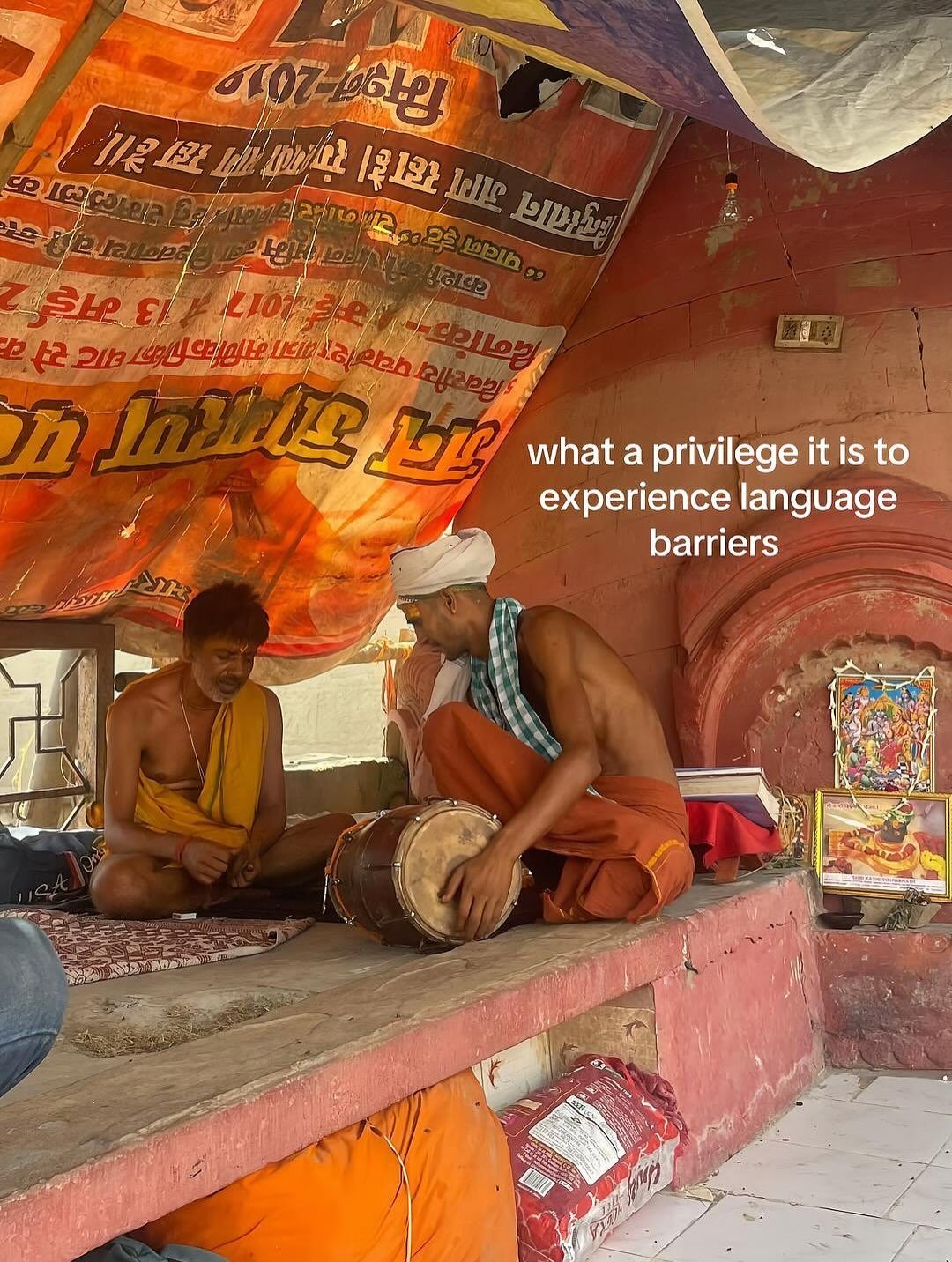
One of the most profound aspects of backpacking is the opportunity to immerse oneself in different cultural experiences. Whether it's through music, food, or language, these encounters can be transformative. For instance, witnessing a traditional Indian music performance in a bustling outdoor setting can be a vibrant and enlightening experience. The language barrier, though challenging, adds a layer of authenticity to the experience. It forces travelers to engage more deeply with their surroundings, often leading to more meaningful connections.
The Challenges of Travel
Travel can be exhausting, and sometimes the simplest of comforts can feel like a privilege. Sleeping in an airport, for example, is a common experience for many backpackers. The dimly lit environment and the discomfort of a chair serve as a reminder of the sacrifices made in the pursuit of adventure. However, these moments of discomfort are often balanced by the thrill of discovering new places and cultures.
The Importance of Basic Shelter
Basic shelter, such as a thatched roof structure, can provide a sense of comfort and security in unfamiliar surroundings. The simplicity of these structures contrasts sharply with the bustling cities and vibrant cultures backpackers encounter. This contrast highlights the importance of appreciating the basics, as well as the unique beauty of diverse landscapes. The barren landscape in the background serves as a reminder of the natural world’s resiliency and the importance of finding solace in simplicity.
Main Discussion
Embracing Unfamiliar Environments
One of the most challenging and rewarding aspects of backpacking is embracing unfamiliar environments. Whether it's a bustling city or a remote village, these places offer unique opportunities for growth and learning. The language barrier, though daunting, can lead to deeper connections and a more profound understanding of the local culture. For example, trying to communicate with locals, even with limited language skills, can create moments of shared joy and understanding.
Navigating Cultural Experiences
Cultural experiences are often the heart of any backpacking journey. From traditional music performances to local festivals, these events offer a glimpse into the soul of a place. The vibrant settings, such as a bustling outdoor market, provide a rich backdrop for cultural immersion. The language barrier, though challenging, can be a catalyst for deeper cultural engagement. Navigating these experiences requires patience, curiosity, and an open mind.
Overcoming Travel Fatigue
Travel fatigue is a common challenge for backpackers. Whether it's the long hours spent in transit or the constant need to adapt to new environments, fatigue can be overwhelming. However, it's important to recognize that these challenges are an integral part of the journey. Taking moments to rest, even in less-than-ideal conditions, can provide the energy needed to continue. Sleeping in an airport, for example, might seem uncomfortable, but it can also be a reminder of the resilience and adaptability required for travel.
Emotional Connections
Backpacking often involves forming deep emotional connections with both people and places. The sadness of leaving a place where strong connections have been made is a testament to the impact of these experiences. The scenic view of a tea plantation, for example, with its rolling hills and lush greenery, can evoke feelings of longing and nostalgia. These emotional reflections are a reminder of the depth of the experiences and the lasting impact they can have.
Practical Tips
To make the most of your backpacking journey, consider the following practical tips:
Embrace the Unknown
Embrace the unknown and allow yourself to be surprised by the experiences that come your way. Whether it's a spontaneous conversation with a local or an unexpected detour, these moments often lead to the most memorable experiences.
Connect with Locals
Engage with locals, even if it means navigating a language barrier. The deeper connections formed through these interactions can provide a unique perspective on the local culture.
Take Breaks
Take regular breaks to recharge, even if it means sleeping in an airport or finding a simple shelter. The importance of rest cannot be overstated, especially during a long journey.
Reflect on Your Experiences
Take the time to reflect on your experiences, both during and after your journey. This reflection can help you gain a deeper understanding of the impact travel has had on you and appreciate the unique perspectives it offers.
Important Takeaways
Backpacking is a journey that can deeply enrich one's perspective on life and the world. From overcoming language barriers to navigating cultural experiences, every aspect of the journey offers a unique opportunity for growth and learning. The challenges, such as travel fatigue and the need for basic shelter, remind us of the importance of resilience and adaptability. The emotional connections formed with people and places are a testament to the depth of these experiences and the lasting impact they can have.
Conclusion
Backpacking is more than just a physical journey; it's a journey of the mind and soul. Navigating unfamiliar environments, overcoming challenges, and forming deep connections are integral parts of the experience. Embrace the unknown, connect with locals, take breaks, and reflect on your experiences to make the most of your backpacking adventure. The world is vast and full of diverse cultures and landscapes, and backpacking offers a unique opportunity to explore and understand it all.
Watch the Reel
Questions readers ask
What makes backpacking different from other forms of travel?
Backpacking stands out due to its emphasis on cultural immersion and embracing unfamiliar environments. Unlike traditional tourism, backpacking encourages travelers to engage deeply with local customs, navigate challenges, and reflect on the emotional impacts of their journeys.
How can I prepare for the cultural aspects of a backpacking trip?
Preparing for the cultural aspects involves researching local customs and traditions, learning basic phrases in the local language, and being open to new experiences. It's also helpful to pack light and leave room for unique items you might want to bring home.
What are some tips for immersive travel experiences during backpacking?
To maximize immersive experiences, try to engage with locals, participate in community activities, and stay in locally-owned accommodations. Additionally, consider traveling off the beaten path to discover less touristy destinations.
Which destinations are particularly well-suited for cultural backpacking journeys?
Some of the best destinations for cultural backpacking include countries like Japan, India, and Peru, where rich traditions and diverse cultural landscapes offer unique insights. These places provide a wealth of opportunities to engage with local customs and reflect on the emotional impacts of your journey.
What are some common challenges faced during backpacking, and how can they be overcome?
Common challenges include language barriers, travel fatigue, and navigating unfamiliar environments. Overcoming these involves patience, staying adaptable, and maintaining a positive attitude. Embracing these challenges as part of the journey can make the experiences more rewarding.
How does backpacking impact personal growth and perspective?
Backpacking can fundamentally shift your perspective by exposing you to diverse cultures and encouraging reflection on your experiences. The emotional impacts of these journeys often lead to increased empathy, adaptability, and a broader worldview.
What are some ways to reflect on and process the cultural insights gained during backpacking?
Keeping a travel journal, sharing stories with fellow travelers or locals, and taking time for self-reflection can help process the cultural insights gained. Additionally, capturing memories through photos or mementos can serve as reminders of your journey and the emotional impacts it had on you.
Related deep dives
Similar reads based on topic and creator.




Recent articles
Fresh deep dives from the latest Reels we unpacked.


Comments
Be the first to comment.