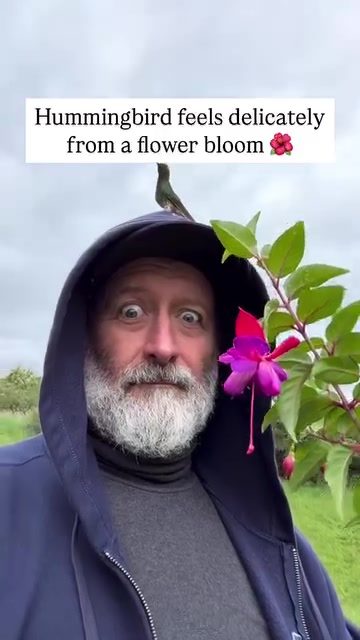
Hummingbird Encounters While Backpacking
Hummingbird encounters during backpacking can be magical experiences. These tiny birds are known for their iridescent feathers, rapid wing beats, and delicate nature. They play a crucial role in many ecosystems by pollinating flowers. However, these encounters aren't always guaranteed. Understanding how and where they occur can help backpackers maximize their chances.
Why This Matters
Backpacking provides the perfect opportunity to immerse yourself in nature, and encountering a hummingbird can be a highlight of any trip. These birds are not only beautiful but also fascinating to observe. They are masters of aerial acrobatics, darting from flower to flower with unmatched precision. Their presence can indicate a healthy ecosystem, making their sightings a rewarding experience for any nature enthusiast.
The Delicate Dance of Hummingbirds and Flowers
Hummingbirds and flowers have an intricate relationship. Many species of hummingbirds feed on nectar, a sugary liquid produced by flowers. In return, the birds help pollinate the plants, transferring pollen from one flower to another as they move from bloom to bloom. This mutualistic relationship is essential for the survival of many plant species.
Hummingbird Behavior Around Flowers
Hummingbirds are highly adapted to feed on nectar. Their long, slender beaks and tongues are perfectly designed to reach deep into flowers to extract the sweet liquid. They are also equipped with a unique feeding mechanism. Their tongues have specialized tips that allow them to quickly lap up nectar while minimizing the amount they lose to the flower.
Hummingbirds typically hover in front of a flower, using their rapid wing beats to stay in place. They insert their beak into the flower’s opening and extend their tongue to reach the nectar. After feeding, they may move on to another flower, repeating the process. This behavior helps disperse pollen, aiding in the plant’s reproduction.
Transforming Backpacking into a Hummingbird Watching Experience
To transform your backpacking trip into a hummingbird-watching experience, it's important to choose the right location and time. Hummingbirds are found in various habitats, but they are most commonly seen in areas with abundant flowering plants, such as meadows, forests, and gardens. The best times to see them are early in the morning or late in the afternoon, when they are most active.
Choosing the Right Location
To maximize your chances of seeing a hummingbird, choose a backpacking route that passes through areas known for their hummingbird populations. Look for trails that lead through forests, meadows, and gardens filled with flowers. Areas near water sources, such as streams and ponds, can also be good spots for hummingbird sightings, as these birds often gather around water for hydration.
Hummingbird Friendly Flowers
Certain types of flowers are particularly attractive to hummingbirds. Plants with tubular or trumpet-shaped flowers are often favorites, as their shape makes it easy for the birds to access the nectar. Some popular hummingbird-friendly flowers include:
- Bee balm
- Cardinal flower
- Trumpet vine
- Columbine
- Fuchsia
- Lantana
Practical Tips
Be Patient and Quiet
Hummingbirds are easily spooked, so it's important to be patient and quiet when waiting for an encounter. Sit or stand still and avoid sudden movements. Wear neutral-colored clothing to blend in with the surroundings and reduce your visibility to the birds.
Bring the Right Equipment
A pair of binoculars or a camera with a telephoto lens can help you get a closer look at the hummingbirds and capture their beauty. Binoculars are particularly useful for observing the birds from a distance without disturbing them.
Use a Field Guide
A field guide to hummingbirds can be a valuable resource on your backpacking trip. It can help you identify the different species you encounter and learn more about their behavior and habitats. Look for a guide that includes color photographs and detailed descriptions of each species.
Dress Appropriately
Wear clothing that is comfortable and practical for hiking, but also choose colors that blend in with the environment. Avoid bright colors and patterns that may startle the birds or make you stand out.
Hone Your Listening Skills
Hummingbirds make a variety of sounds, including a high-pitched chittering and a soft humming noise produced by their wings. Learning to recognize these sounds can help you detect the presence of hummingbirds even if you can't see them.
Keep a Log
Keep a log of your sightings, noting the species, time of day, and location. This can help you track patterns in hummingbird behavior and improve your chances of spotting them on future trips.
Important Takeaways
- Hummingbirds are fascinating creatures that play a crucial role in many ecosystems by pollinating flowers.
- The best times to see hummingbirds are early in the morning or late in the afternoon.
- Choose a backpacking route that passes through areas known for their hummingbird populations.
- Be patient, quiet, and still when waiting for an encounter.
- Bring a pair of binoculars, a camera, and a field guide to enhance your experience.
Conclusion
Encountering a hummingbird while backpacking is a memorable experience that can add a touch of magic to your trip. By understanding the relationship between hummingbirds and flowers, choosing the right location, and being patient, you can increase your chances of seeing these beautiful birds in action. Whether you're a seasoned backpacker or a beginner, taking the time to appreciate the delicate dance of hummingbirds and flowers can enrich your outdoor adventures.
Watch the Reel
Questions readers ask
What is the best time of day to observe hummingbirds while backpacking?
The best times to observe hummingbirds are typically early morning or late afternoon. During these periods, hummingbirds are most active, feeding on nectar from flowers. Additionally, the cooler temperatures make these times more comfortable for backpackers.
What should I do if I encounter a hummingbird while backpacking?
If you encounter a hummingbird, remain still and quiet to avoid startling the bird. Use binoculars for a closer look, and consider taking notes or photographs to document the experience. Remember, hummingbirds are sensitive to disturbances, so observe from a respectful distance.
Which locations are best for backpacking and hummingbird encounters?
Hummingbirds are commonly found in regions with abundant flowers and nectar sources. Forests, meadows, and areas with wildflowers are ideal. Some specific regions known for hummingbird sightings include the Pacific Northwest, the Rocky Mountains, and the Southeastern United States. Check local guides for the best spots near your backpacking route.
How can I attract hummingbirds while backpacking?
While backpacking, it's challenging to carry feeders, but you can attract hummingbirds by choosing trails with abundant flowers. Avoid using insect repellents that contain DEET, as they can be harmful to hummingbirds and may deter them. Additionally, keeping a low profile and moving slowly through the environment can increase your chances of an encounter.
What role do hummingbirds play in their ecosystems while backpacking through their habitats?
Hummingbirds are important pollinators. As they feed on nectar from flowers, they transfer pollen from one plant to another, aiding in plant reproduction. This process is crucial for maintaining the health and biodiversity of their ecosystems. By observing hummingbirds, backpackers can gain insights into the interconnectedness of nature.
Related deep dives
Similar reads based on topic and creator.



Recent articles
Fresh deep dives from the latest Reels we unpacked.




Comments
Be the first to comment.