What Naturally Happens When You Interact With a Baby Elephant
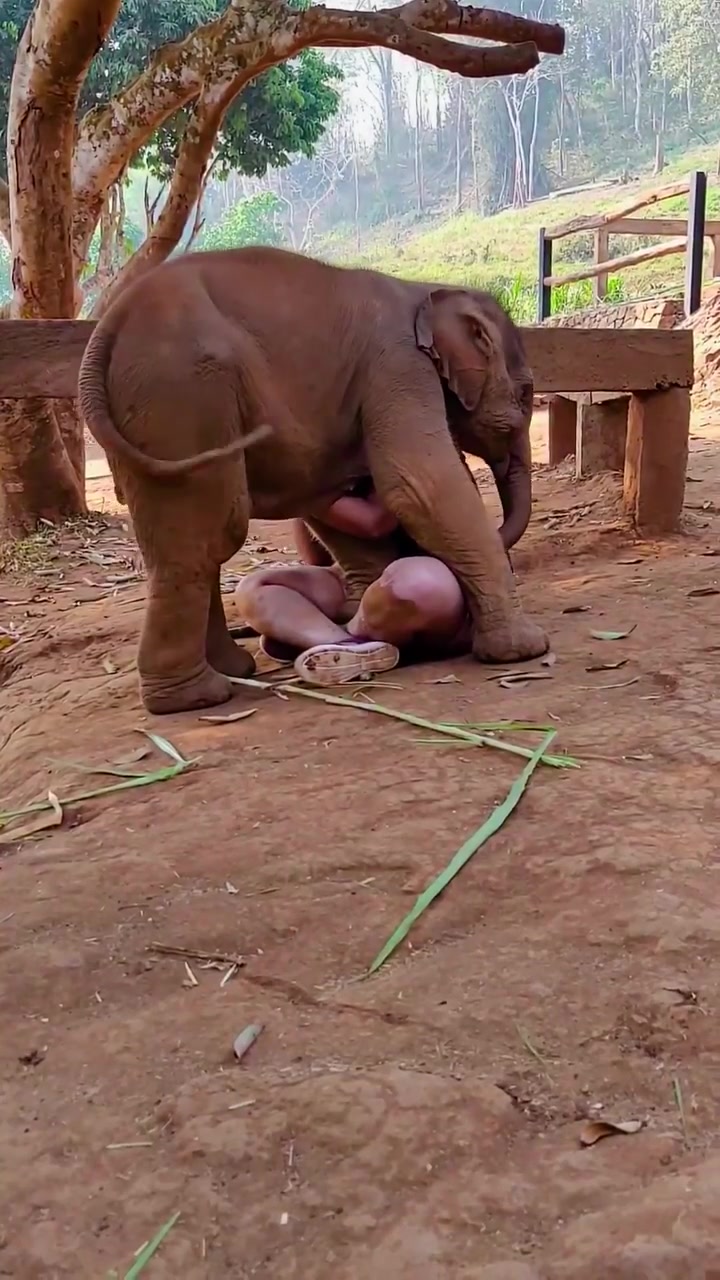
The act of interacting with a baby elephant is not just an adorable moment but a glimpse into an interspecies bond. This type of interaction is not a trained performance. The baby elephant lies on the ground as the person hugs and touches the gentle giant. The scene takes place outdoors in a natural setting, surrounded by lush foliage. The interaction appears affectionate and playful, suggesting a deep bond between the person and the baby elephant. It’s clear that approaching a baby elephant is not a common experience and requires care and preparation. But the interaction tells us a story of trust, patience and compassion.
The Meaning Behind Intimate Gestures
In the context of animal-human interaction—and wildlife conservation—the intimacy of hugging a baby elephant holds deeper significance. Elephants are known for their intelligence, empathy, and strong familial bonds. The chants speaks to a sense of mutual respect and understanding between humans and baby elephants. Human interaction with elephants, particularly with baby elephants is an intimate interaction.
Gentle Grooming and Why It Works
The person hugging a baby elephant is delicate and patient; it is not a "ready, set, go" scenario. The elephant lies on the ground which invites the person to gently grooms the elephant, the action takes patience and care to nurture the bond.
How the Experience Unfolds
The experience of interacting with a baby elephant is a three-fold dance of understanding the animal’s responses, building trust, and practicing patience. Unlike that of an animal trainer the dance is emotional, the person is not using commands or treats or positive reinforcement. The interactions are an act of gentle love.
The Calm It Promotes
The experience unfolds with hugging and touching the baby elephant. It appears affectionate and playful. The baby elephant allows its gentle caressing and gentle touch. The elephant's calm might suggest a positive vibe and the elephant pacing themselves emotionally in the interaction.
What happens next
The interaction is a bond that is built over time. The visitors starts small and hones themselves to build trust, under no time pressure. Once the trust is established the bond gets deeper and the elephant allows more interaction.
Why Touching a Baby Elephant Matters
When we consider the contemporary conservation movement and animal ethics, elephant interactions of this kind should raise questions. Many conservationists worry about the use of elephants for tourism and entertainment.
Educating the Visitors
The message the person is spreading is not out of obligation but out of love, "whenever you're ready, whenever you're ready whenever you're ready, whenever you're ready". The words could mean a state of mind of being himself in the process.
Setting the Stage for Conservation
The experience of hugging elephants could help influence community attitudes towards elephants and how humans relate to them. A community that has learned to care for baby elephants might care for every elephant in future that may be under threat.
Planning an Ethical Interact With a Baby Elephant
Ethical interactions with baby elephants focus on respect and minimal disturbance. While this type of experience isn't universally available, learning from tours that do it right can provide valuable insight. Choose an ethical establishment that focuses on animal welfare. Research the place’s practices and policies. Focus on ethical tourism that is driven by conservation efforts.
- Research the Facility: Before visiting, learn about the facility’s practices and policies towards the animals. Look for places that prioritize elephant welfare and have positive reputations.
- Understand Elephant Behavior: Educate yourself on elephant behavior. This understanding will help you interact more naturally and respectfully.
- Follow Guidelines: Once at the facility, follow all the guidelines provided. These are designed to ensure the safety and well-being of both you and the elephants.
How a Repeat Visit Might Look
An ethical elephant sanctuary would offer you a repeat visit when the elephant is ready as well as you are ready. You can expect a planned visit that is guided by conservation efforts. Be ready for any amount of time it takes to build the bond and establish trust. For you and the elephant the interaction may take a lot of patience and understanding.
Watch the Reel
Questions readers ask
What kind of environment is the baby elephant in during the hugging interaction?
The baby elephant is in a lush natural setting, surrounded by foliage, in an outdoor environment. This setting suggests that the interaction is not staged in a zoo or a controlled environment, but rather in the elephant's natural habitat.
Is the baby elephant trained to be hugged by the person?
No the baby elephant is not trained to be hugged. The interaction appears to be spontaneous and based on trust and mutual affection, not on commands or positive reinforcement. The elephant lies down on its own, inviting the person to hug and groom it.
How does the person build trust with the baby elephant?
The person builds trust with the baby elephant through patience, care, and gentle interactions. There's no rush, and the person allows the elephant to set the pace, honoring the elephant's emotional responses and building a bond over time.
Why is the interaction between the person and the baby elephant considered intimate?
The interaction is considered intimate because it involves close physical contact, such as hugging and gentle grooming. It also reflects a deep emotional connection and mutual respect between the person and the baby elephant, which is not typical of most human-animal interactions. It is also an act of gentle love.
What message is the person trying to convey by hugging the baby elephant?
The person is trying to convey a message of love, patience, and respect towards the baby elephant. The phrase 'whenever you're ready' suggests a mindset of being present and patient, allowing the elephant to lead the interaction. The person is also spreading a message of conservation and care for elephants.
How might this interaction influence attitudes towards elephant conservation?
This interaction can influence attitudes towards elephant conservation by fostering a sense of care and respect for elephants. A community that has learned to care for baby elephants might be more likely to care for every elephant in the future, especially those that may be under threat. It shows that humans and elephants can share a bond based on mutual affection, empathy, and understanding, and encourages humans to protect and preserve elephants and their habitats.
Related deep dives
Similar reads based on topic and creator.




Recent articles
Fresh deep dives from the latest Reels we unpacked.


Comments
Be the first to comment.