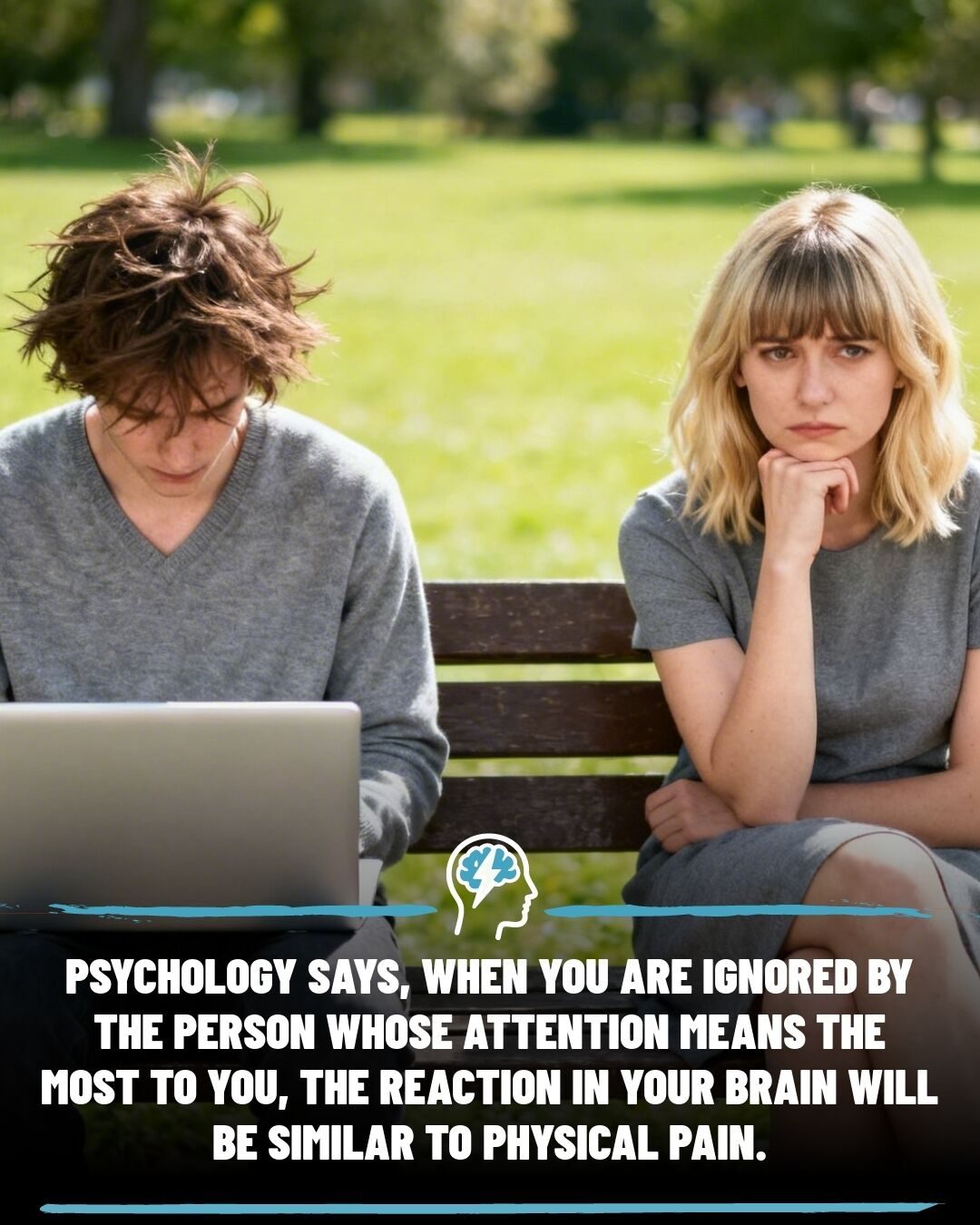
The Neurascience of Social Pain: Understanding the Psychological Effects of Ignoring
When someone ignores you, it can feel like a punch to the gut. This isn't just metaphorical; the brain processes social rejection similarly to physical pain. This phenomenon is backed by numerous studies. Let’s explore the science behind social pain and why it hurts so much.
The Science Behind Social Pain
Understanding social pain begins with recognizing that our brains respond to social rejection in ways that mirror physical injury. Researchers have identified two key brain regions involved in this process: the dorsal anterior cingulate cortex and the anterior insula. These areas act as alarm systems, signalling when something is wrong — whether it's a stubbed toe or being ignored by someone important.
Key Brain Regions Involved
-
Dorsal Anterior Cingulate Cortex: This region is involved in processing both physical and social pain. It helps regulate emotions and plays a crucial role in the body's response to stress and discomfort.
-
Anterior Insula: This area is associated with emotive responses, particularly those related to physical and emotional pain. It helps integrate sensory information with emotional states, making it essential for understanding the impact of social rejection.
The Role of Natural Opioids
When you experience social rejection, your brain releases natural opioids, similar to how it responds to physical pain. These opioids act as a painkiller, helping to buffer the emotional sting. This internal mechanism suggests that the brain has a built-in system to cope with the distress of social exclusion.
One study found that individuals who release more opioids in the amygdala during rejection may be more resilient to exclusion. The amygdala, a part of the brain involved in processing emotions, plays a significant role in how we perceive and respond to social pain.
Why Social Pain Matters
Social pain is more than just an unpleasant feeling; it is a real physiological response. This understanding can help validate what many feel intuitively: social rejection is genuinely painful. Feeling devastated after being ignored is not a sign of weakness but a natural response to a perceived threat.
The Evolutionary Perspective
From an evolutionary standpoint, social bonds are essential for survival. Our neural wiring has evolved to treat social connections as crucial for our well-being. When someone ignores us, it triggers a response similar to physical pain because social exclusion can be just as threatening to our survival and well-being.
Individual Differences
It's important to note that the intensity of social pain can vary significantly from person to person. Factors such as personal history, social support, and brain chemistry all influence how deeply you experience rejection. Some people may be more resilient to social pain due to their ability to release more opioids in response to rejection.
Acetaminophen and Social Pain
Research has shown that acetaminophen, a common pain reliever, can reduce feelings of social pain. Participants taking daily acetaminophen reported fewer hurt feelings and showed reduced activity in pain regions during social rejection compared to placebo groups. This finding highlights the interconnected nature of physical and social pain.
Practical Tips for Coping with Social Pain
Understanding the science behind social pain can be empowering. Here are some practical tips to help cope with the emotional sting of being ignored:
Reach Out to Your Support Network
Social support is crucial for managing social pain. Reach out to friends, family, or other trusted individuals who can provide comfort and validation. Knowing you have people who care about you can help alleviate the feelings of rejection.
Practice Self-Compassion
Be kind to yourself. Recognize that feeling hurt after being ignored is a natural response. Practice self-compassion by acknowledging your feelings and treating yourself with the same kindness you would offer to a friend in a similar situation.
Engage in Activities You Enjoy
Distract yourself with activities you enjoy. Whether it's reading, exercising, or spending time in nature, engaging in positive activities can help shift your focus away from the pain of social rejection.
Seek Professional Help
If the pain of social rejection becomes overwhelming, consider seeking help from a mental health professional. Therapists and counsellors can provide strategies and support to help you cope with the emotional distress.
Build Resilience
Building resilience involves developing coping mechanisms that help you bounce back from challenging situations. This can include practicing mindfulness, engaging in self-care activities, and fostering a positive outlook on life. Over time, these practices can help you become more resilient to social pain.
Recognize the Temporary Nature of Feelings
Remember that feelings of social pain are temporary. While it may feel overwhelming at the moment, it will pass. Allow yourself to feel the pain, but also recognize that it is a transient experience.
Important Takeaways
Social pain is a real and validated experience. It is backed by science and has physiological roots in our brain's neural circuitry. Understanding the link between social rejection and physical pain can help you recognize the genuine nature of your feelings and provide a foundation for coping strategies.
Social rejection is a natural and often unavoidable part of life. By acknowledging its impact and employing effective coping mechanisms, you can better navigate the challenges it presents.
Conclusion
The science behind social pain offers valuable insights into why being ignored can feel so hurtful. By understanding the neural mechanisms involved and recognizing the evolutionary significance of social bonds, you can better manage the emotional distress of social rejection.
Remember, feeling hurt after being ignored is a natural response. Embrace self-compassion, seek support, and engage in activities that bring you joy. By doing so, you can build resilience and navigate the challenges of social pain with greater ease.
Watch the Reel
Questions readers ask
What parts of the brain are activated when we experience social rejection?
The dorsal anterior cingulate cortex and the anterior insula are the primary brain regions activated during social rejection. These areas are also responsible for processing physical pain, which explains why social rejection can feel so intense.
Why does being ignored feel like physical pain?
Being ignored triggers the same neural pathways as physical pain. This is because the brain processes social rejection and physical injury in similar ways, leading to a comparable feeling of distress.
Can social rejection have long-term effects on mental health?
Yes, chronic social rejection can lead to prolonged stress, anxiety, and even depression. It's important to address feelings of social exclusion to maintain overall well-being.
Are there strategies to cope with the pain of social rejection?
Practicing mindfulness, seeking social support, and engaging in self-care activities can help mitigate the emotional impact of social rejection. Building resilience and fostering a strong sense of self-worth can also be beneficial.
Why do some people feel more affected by social rejection than others?
Individual differences in personality, past experiences, and social support systems can influence how a person perceives and responds to social rejection. Some people may be more sensitive to social exclusion due to these factors.
What can someone do if they feel socially rejected?
If you feel socially rejected, try reaching out to trusted friends or family for support. Engage in activities you enjoy and practice self-compassion. Remember that everyone experiences social rejection at times, and it does not reflect your worth as a person.
Is social rejection a normal part of life?
Yes, social rejection is a common experience that most people encounter at some point. However, the intensity and impact can vary greatly. By understanding the reasons people feel social rejection like physical pain, you can approach the issue with empathy and self-awareness.
Recent articles
Fresh deep dives from the latest Reels we unpacked.




Comments
Be the first to comment.