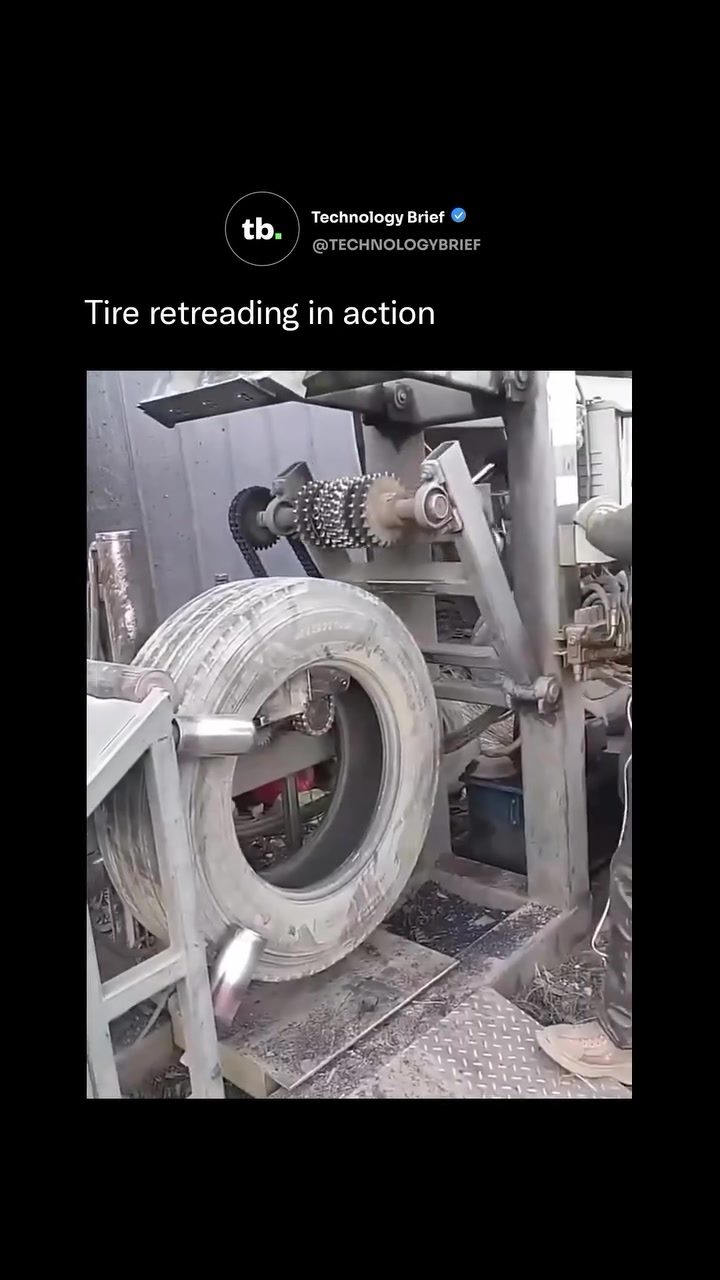
Tire Retreading: Extending the Life of Truck and Bus Tires
Tire retreading is a process that extends the life of worn truck and bus tires by replacing only the tread—the part that directly contacts the road. This method not only saves costs but also contributes to environmental sustainability. The retreading process was pioneered by Bandag, a company now owned by Bridgestone. The process involves using a brand-new rubber tread strip, which is manufactured separately and then bonded onto a cleaned and inspected tire casing.
Why This Matters
The importance of tire retreading lies in its economic and environmental benefits. Retreading significantly reduces the cost compared to purchasing new tires. Additionally, it conserves raw materials by reusing the structural casing, which is the most resource-intensive part of the tire. The Environmental Protection Agency (EPA) recognizes low-rolling-resistance retreads as fuel-efficient, further enhancing their environmental advantages. Moreover, the retreading process helps keep hundreds of pounds of rubber out of landfills per tire, making it a crucial practice for sustainable waste management.
The Tire Retreading Process
Initial Preparation
The retreading process begins with the preparation of the tire. The old rubber is ground off using a buffing machine, which ensures a clean surface for the new tread. This step is crucial as it removes any imperfections or debris that could compromise the bond between the new tread and the tire casing.
Applying the New Tread
After the surface is cleaned, it is coated with an adhesive to ensure a strong bond. A fresh precured tread strip, manufactured separately, is then wrapped around the tire. This tread strip is designed to be durable and provide excellent traction, making it suitable for various road conditions.
Curing and Bonding
The tire, with the new tread strip in place, is then sealed in a curing chamber. The chamber applies heat and pressure, which permanently bonds the new tread to the casing. This step is essential for ensuring the durability and integrity of the retreaded tire. The curing process ensures that the new tread adheres firmly to the casing, providing a seamless and reliable driving experience.
Automated Retreading Machines
The retreading process often involves the use of automated machines, as showcased by Technology Brief. These machines are designed to handle the entire retreading process with precision and efficiency. The machine applies new rubber to the tire's surface, ensuring a consistent and high-quality result. This automated approach reduces the chances of human error and enhances the overall quality of the retreaded tires.
Practical Tips for Tire Retreading
Choosing the Right Tread
Selecting the appropriate tread for your tire is crucial. Different types of tread are designed for various road conditions and driving needs. For example, some treads are designed for better traction in wet conditions, while others are optimized for fuel efficiency. Ensure that the tread you choose aligns with your specific requirements and driving habits.
Regular Maintenance
Regular maintenance of retreaded tires is essential to extend their lifespan. This includes regular inspections for any signs of wear or damage, proper inflation, and alignment checks. By maintaining your retreaded tires, you can ensure they perform optimally and last longer.
Professional Retreading Services
Consider using professional retreading services for the best results. Professionals have the expertise and equipment to handle the retreading process efficiently. They can ensure that the new tread is properly bonded to the casing, providing a durable and reliable tire.
Important Takeaways
Tire retreading is a cost-effective and environmentally friendly way to extend the life of truck and bus tires. The process involves several critical steps, including grinding off the old rubber, applying an adhesive, wrapping a new tread strip, and curing the tire. Automated machines play a significant role in ensuring the precision and efficiency of the retreading process. By choosing the right tread, maintaining your tires, and using professional services, you can maximize the benefits of retreading.
Conclusion
Tire retreading is a valuable practice for both economic and environmental reasons. It provides a cost-effective solution to replacing worn-out tires while reducing waste and conserving resources. By understanding the retreading process and following best practices, you can ensure that your tires remain durable, reliable, and eco-friendly.
Watch the Reel
Questions readers ask
What are the primary steps involved in the automated tire retreading process?
The automated tire retreading process typically involves several key steps. First, the worn tire is inspected and prepared. Then, the tire casing is buffed to remove any remaining tread. Next, a new pre-cured tread is bonded to the casing. Finally, the retreaded tire undergoes a curing process to ensure the new tread is securely attached.
How does automated tire retreading contribute to reducing waste?
By focusing on replacing only the worn tread and reusing the existing tire casing, automated tire retreading significantly reduces the amount of tire waste sent to landfills. This process helps conserve raw materials and minimizes the environmental impact associated with tire disposal.
What is the role of the tire casing in the retreading process?
The tire casing is the structural foundation of the tire, remaining intact after the tread wears out. In the retreading process, the casing is carefully inspected, cleaned, and prepared to receive a new tread. The strength and integrity of the casing are crucial for the performance and safety of the retreaded tire.
What are the benefits of using pre-cured tread in tire retreading?
Pre-cured tread, which is manufactured separately and then bonded onto the tire casing, offers several advantages. It provides consistent performance and reliability, as it is produced under controlled conditions. Additionally, it simplifies the retreading process, making it more efficient and reducing the time required for curing, which enhances the process's overall efficiency.
How does tire retreading help in conserving raw materials?
Tire retreading conserves raw materials by reusing the structural casing of the tire, rather than discarding the entire tire and manufacturing a new one. The process reduces the demand for new rubber and other materials needed for tire production, thereby contributing to a more sustainable tire maintenance approach.
What kind of tire types are suitable for the automated tire retreading process?
The automated tire retreading process is primarily suitable for truck and bus tires, as well as other heavy-duty vehicle tires. These tires are designed to withstand the rigors of the retreading process and have casings that can be effectively reused. Passenger car tires, on the other hand, are generally not suitable for retreading due to their different construction and usage patterns.
What are the cost benefits of tire retreading compared to buying new tires?
Tire retreading offers significant cost savings compared to purchasing new tires. By reusing the existing tire casing and replacing only the worn tread, the overall cost of tire maintenance is reduced. This makes tire retreading a more affordable option for fleets and individual vehicle owners, particularly those with heavy-duty vehicles that require frequent tire replacements.
Related deep dives
Similar reads based on topic and creator.




Recent articles
Fresh deep dives from the latest Reels we unpacked.




Comments
Be the first to comment.