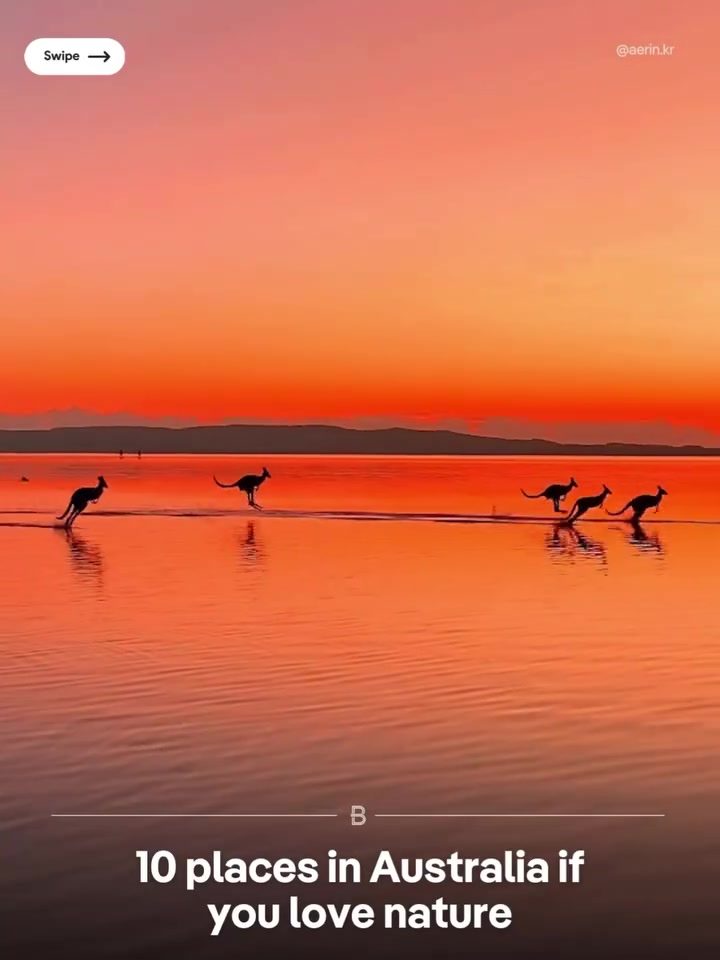
Australian Nature Destinations
Australia is a land of stunning contrasts and breathtaking landscapes, making it a paradise for nature enthusiasts. From the vibrant coral reefs to the ancient red outback, the country offers a diverse range of natural wonders. Whether you're planning a road trip or searching for the best nature travel spots, these 10 must-visit destinations will ensure an unforgettable journey through the Land Down Under.
Why this matters
Exploring Australia's natural beauty is more than just a tourist activity; it's an immersive experience that connects you with the raw, untouched wilderness. Australia's diverse ecosystems, unique wildlife, and breathtaking landscapes offer a sense of adventure and tranquility that is hard to find elsewhere. Each destination on this list has its own unique charm, providing a comprehensive experience of what Australia has to offer.
The Great Barrier Reef, Queensland
The Great Barrier Reef is a must-visit for any nature lover. Stretching over 2,300 kilometers, it is the world’s largest coral reef system and a UNESCO World Heritage site. Diving or snorkeling here allows you to explore a vibrant underwater paradise teeming with marine life, including colorful fish, sea turtles, and even manta rays. The reef's diverse ecosystems, ranging from shallow coastal waters to deep sea canyons, make it a haven for both novice and experienced divers.
Daintree Rainforest, Queensland
The Daintree Rainforest is the oldest tropical rainforest in the world, providing a unique blend of natural beauty and ancient history. Located in tropical North Queensland, it is home to a rich array of flora and fauna, including many endemic species. The forest's dense canopy and lush greenery create a mesmerizing atmosphere, perfect for hiking and wildlife spotting. The Cape Tribulation area, where the rainforest meets the Great Barrier Reef, offers stunning coastal views and opportunities for swimming in crystal-clear waters.
Uluru-Kata Tjuta National Park, Northern Territory
Uluru, also known as Ayers Rock, is the spiritual heart of Australia. This iconic red monolith stands tall in the heart of the Northern Territory, offering a profound sense of connection to the land and its ancient Indigenous culture. Witnessing the sunrise or sunset over Uluru is an unforgettable experience, as the rock's colors shift from deep red to vibrant orange. The nearby Kata Tjuta (The Olgas), is another stunning rock formation, and the park offers numerous hiking trails for adventure seekers.
Ningaloo Reef, Western Australia
Ningaloo Reef is a marine conservation area in Western Australia, known for its crystal-clear waters and vibrant coral reefs. Unlike the Great Barrier Reef, Ningaloo is accessible from the shore, making it a great spot for snorkeling and swimming with whale sharks, manta rays, and other marine life. The reef's diverse ecosystems support a wide range of species, making it a paradise for marine enthusiasts.
Noosa Everglades, Queensland
Noosa Everglades is one of only two everglades systems on the planet, offering a unique and serene backdrop for nature lovers. This expansive wetland is part of the Great Sandy National Park and is home to a diverse range of wildlife, including birds, fish, and marsupials. Kayaking and canoeing through the tranquil waters are popular activities, allowing visitors to explore the lush vegetation and spot native wildlife.
Elsey National Park, Northern Territory
Elsey National Park is a hidden oasis in the outback, featuring turquoise thermal pools at Mataranka. These natural hot springs are perfect for a relaxing soak after a day of exploring the park's red sand dunes and rugged landscapes. The park is also home to a variety of wildlife, including wallabies, kangaroos, and an array of bird species. With its serene atmosphere and natural beauty, Elsey National Park is an ideal spot to unwind and connect with nature.
Whitsunday Islands, Queensland
The Whitsunday Islands are a group of 74 islands located off the coast of Queensland. Home to Whitehaven Beach, known for its pure white silica sands and swirling blue waters, the islands offer a tropical paradise for relaxation and adventure. Activities like sailing, snorkeling, and beachcombing are popular, and the islands' diverse marine life, including manta rays and turtles, make it a snorkeler's dream.
Lord Howe Island, New South Wales
Lord Howe Island is a secluded paradise located in the Tasman Sea, known for its pristine nature and hiking trails. With limited visitors allowed, the island maintains its untouched beauty, making it an ideal destination for hikers and nature enthusiasts. The island's volcanic peaks, lush rainforests, and unique wildlife, including the Lord Howe Island stick insect, offer a truly immersive experience in natural wonders.
Pirates Bay, Tasmania
Pirates Bay, located on Tasmania's rugged and dramatic Tasman Peninsula, offers stunning coastal views and sea caves. The bay's rugged cliffs and rock formations create a dramatic landscape, perfect for hiking and photography. The nearby Tasmans Arch and Devil’s Kitchen are must-see attractions, offering breathtaking views of the surrounding coastline.
Whyalla, South Australia
Whyalla is a coastal town in South Australia, famous for the annual migration of Giant Australian Cuttlefish. This unique spectacle draws underwater photography enthusiasts from around the world, providing an unforgettable opportunity to witness these fascinating creatures in their natural habitat. The migration typically occurs in winter, with thousands of cuttlefish gathering in the waters around Whyalla to breed and lay their eggs.
Practical tips for exploring Australia
-
Plan Ahead: Australia is vast, so plan your itinerary carefully to make the most of your trip. Consider hiring a car or joining a guided tour for flexibility and convenience.
-
Best Time to Visit: Australia's diverse climate means that the best time to visit depends on your destination. Generally, the best weather is during the Australian spring (September to November) and autumn (March to May), but for swimming and diving, summer (December to February) is ideal.
-
Pack for Various Conditions: Australia's weather can be unpredictable, so pack layers, a rain jacket, and sturdy hiking boots. Don’t forget sunscreen, a hat, and insect repellent for protection against the sun and insects.
-
Respect Nature: Australia's natural wonders are fragile and sensitive. Follow the Leave No Trace principles, stay on marked paths and trails, and minimize your impact on the environment. This will ensure that these natural treasures remain pristine for future generations to enjoy.
Important takeaways
-
Diversity: Australia’s landscapes are as diverse as they are stunning. From coral reefs to rainforests, deserts to glaciers, the country offers a wide range of natural wonders to explore.
-
Conservation: Many of Australia's natural destinations are protected areas, emphasizing the importance of conservation and responsible tourism.
-
Cultural Significance: Many of these destinations hold deep cultural significance, particularly for Indigenous Australians, adding a layer of richness and meaning to your visit.
-
Wildlife Encounters: Australia is home to unique wildlife, and these destinations provide opportunities to encounter these creatures in their natural habitats.
Conclusion
Australia's natural wonders offer a world-class experience for nature lovers. From the Great Barrier Reef to the Daintree Rainforest, Uluru-Kata Tjuta National Park, and beyond, each destination provides a unique and unforgettable adventure. With careful planning, respect for the environment, and a sense of adventure, your journey through Australia's natural landscapes will be an experience of a lifetime.
Watch the Reel
Questions readers ask
What are the top Australian nature spots for a road trip?
Australia offers a wealth of natural beauty for road trip adventures. Top destinations include the Great Barrier Reef, Daintree Rainforest, Kakadu National Park, and the Twelve Apostles. These spots showcase the country's diverse landscapes and ecosystems, from coral reefs to ancient rainforests.
Why should I visit the Great Barrier Reef on my Australian road trip?
The Great Barrier Reef is the world's largest coral reef system, stretching over 2,300 kilometers. It's home to thousands of marine species and offers activities like snorkeling, diving, and boat tours, making it an unforgettable experience for any nature enthusiast.
What are some must-see destinations in Queensland for a nature road trip?
Queensland boasts a variety of natural wonders. The Great Barrier Reef and Daintree Rainforest are highlights, but also consider the Whitsunday Islands, Fraser Island, and the Gold Coast for a mix of beaches, rainforests, and vibrant wildlife. These destinations offer a unique blend of natural beauty and adventure.
What are the best Australian nature destinations for wildlife encounters?
For wildlife encounters, Kakadu National Park in the Northern Territory is a top choice, known for its diverse wildlife, including crocodiles and bird species. The Kimberley region in Western Australia and the Great Ocean Road in Victoria also offer rich wildlife experiences, making them ideal for wildlife enthusiasts
How can I plan an ultimate Australian road trip itinerary?
To plan an ultimate Australian road trip, start by identifying your key interests, such as coral reefs, rainforests, or outback landscapes. Key destinations to include are the Great Barrier Reef, Kakadu National Park, and the Twelve Apostles. Consider the time of year for weather conditions, and allocate enough time to explore each destination fully.
Related deep dives
Similar reads based on topic and creator.




Recent articles
Fresh deep dives from the latest Reels we unpacked.




Comments
Be the first to comment.