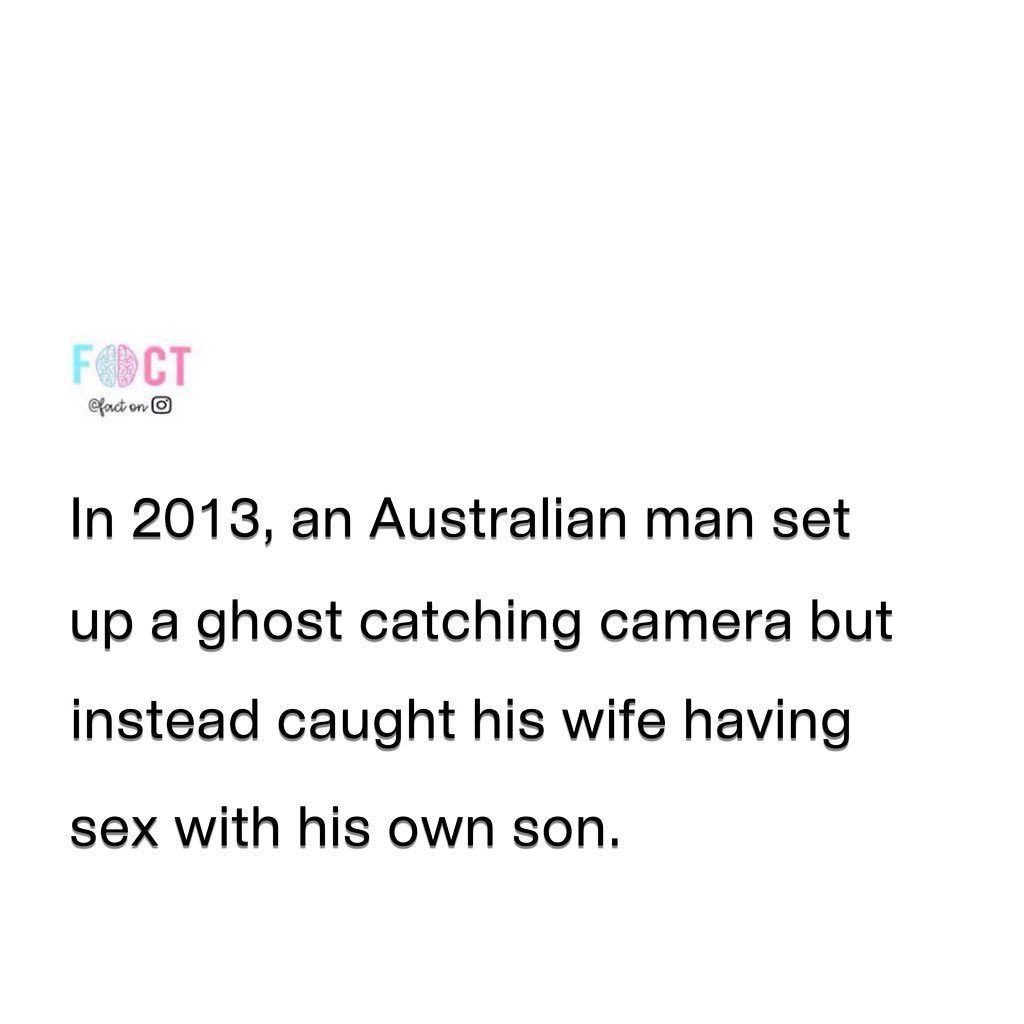
The 2013 Ghost Camera Incident: An Unlikely Discovery
Ghost hunting has long been a fascination for many, but an incident from 2013 in Australia turned a ghost-catching attempt into a shocking revelation of family betrayal. The story of the ghost camera incident serves as a stark reminder of how technology can inadvertently uncover hidden truths.
Context
The 2013 ghost camera incident began as a simple attempt to capture paranormal activity. The man involved, likely driven by curiosity or belief, set up a camera in his home with the intention of capturing evidence of ghosts. Little did he know, the device would record something far more sinister than any ghostly apparition.
The Incident: A Shocking Discovery
The Setup
The man set up a ghost-catching camera in his home, a tool often used by enthusiasts to capture evidence of supernatural activity. These cameras are typically motion-activated and designed to record in low-light conditions, making them ideal for detecting unseen phenomena.
The Revelation
Instead of capturing any paranormal activity, the camera recorded something far more disturbing: the man's wife having an affair with his own son. The video, intended to provide proof of ghosts, instead revealed a shocking family betrayal. The man had unwittingly captured footage of his wife and son in a compromising situation.
Practical Considerations for Using Surveillance Cameras
While the ghost camera incident is an extreme and unusual case, it highlights several important points for anyone using surveillance cameras in their home.
Privacy Concerns
When setting up surveillance cameras, it's crucial to consider privacy. Always inform family members or roommates about the presence of cameras and where they are located. This transparency can help avoid misunderstandings and potential legal issues.
Intended Use
Clearly define the purpose of your surveillance system. If the goal is to monitor for intruders or capture unusual events, make sure the system is optimized for that specific task. Be aware that cameras can capture more than you might anticipate, and be prepared for the potential consequences.
Legal Implications
Be mindful of the legal implications of recording others without their knowledge or consent. Laws vary by region, but in many places, it is illegal to record someone without their consent if they have a reasonable expectation of privacy. Always check local regulations and consult with a legal professional if necessary.
Important Takeaways
The ghost camera incident serves as a cautionary tale about the unintended consequences of using surveillance technology. Here are some key takeaways:
- Transparency is key: Always inform others about the presence of cameras in shared spaces.
- Know the purpose: Be clear about why you are using the cameras and what you hope to achieve.
- Understand the risks: Be aware of the potential legal and personal repercussions of using surveillance technology.
Conclusion
The 2013 ghost camera incident in Australia is a stark reminder of how technology can sometimes reveal more than we bargain for. While the man's intention was to capture evidence of ghosts, he ended up uncovering a deeply personal and painful truth. This story underscores the importance of considering privacy, intended use, and legal implications when using surveillance cameras. By being mindful of these factors, you can minimize the risk of such unwanted discoveries and ensure that your use of surveillance technology is both effective and respectful of privacy.
Watch the Reel
Questions readers ask
What was the original purpose of the 2013 Australian ghost camera setup?
The original intent of the 2013 Australian ghost camera setup was to capture paranormal activity. The man involved had installed the camera in his home to detect and record any potential ghostly encounters. The man had no intention of using the camera to observe his wife's private activities. The camera was solely for ghost hunting.
How did the 2013 ghost camera incident unfold?
The 2013 ghost camera incident unfolded when a man set up a camera in his home to capture ghosts. Instead of capturing paranormal activity, the camera recorded his wife engaging in an affair. The man discovered the affair when he reviewed the footage.
What can this story teach us about using surveillance cameras in the home?
The 2013 ghost camera incident highlights the importance of considering privacy when using cameras. Always be clear about the purpose of the camera and ensure that all parties are aware of its presence. Respect privacy boundaries, even when the intention is to capture something other than personal activities.
What are some legal considerations for using home surveillance cameras in Australia?
In Australia, it is legal to install surveillance cameras in the home for security purposes, but they must not invade the privacy of others. Always inform household members about the camera's presence, and do not place cameras in private areas like bathrooms or bedrooms. Otherwise, you could face legal penalties.
What should you do if you suspect your partner is being unfaithful?
If you suspect your partner is being unfaithful, it is important to approach the situation with caution and respect for both your partner's and your own privacy. Open and honest communication is key. Consider seeking advice from a professional, such as a couples therapist, rather than resorting to surveillance methods.
Related deep dives
Similar reads based on topic and creator.



Recent articles
Fresh deep dives from the latest Reels we unpacked.




Comments
Be the first to comment.