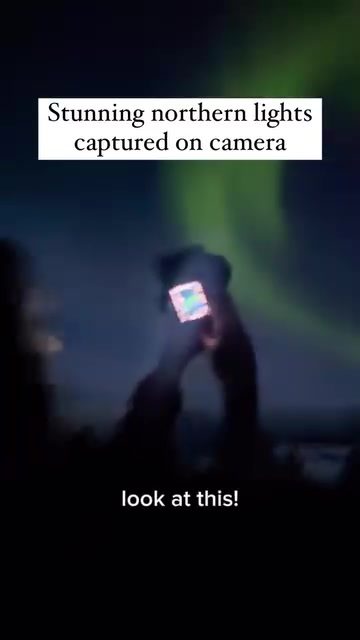
The Magic of the Northern Lights
The Northern Lights, or Aurora Borealis, are one of nature's most breathtaking phenomena. The unique display of colors dancing across the night sky is a sight to behold. Capturing this natural wonder on camera is a rewarding experience for photographers and travelers alike.
Why This Matters
The Northern Lights are not just a beautiful spectacle; they also offer a glimpse into the complex interactions between the Earth's atmosphere and the solar wind. Understanding and appreciating these lights can deepen one's connection to the natural world and inspire a sense of awe and wonder.
What Are the Northern Lights?
The Northern Lights occur when charged particles from the sun interact with Earth's magnetic field and atmosphere. These particles collide with various gas particles, such as oxygen and nitrogen, in the Earth's atmosphere, transferring energy and exciting these gas particles to higher energy states. As these excited particles return to their normal state, they release this extra energy in the form of photons, or light. The different colors of the aurora depend on the type of gas involved and the altitude at which the collision takes place.
The Science Behind the Colors
The most common color of the Northern Lights is a vivid green, caused by oxygen molecules located about 60 miles above the Earth. When these oxygen molecules are excited by the solar particles, they emit a green light. Other colors, such as pink, red, yellow, blue, and purple, can also be seen, though less frequently. These colors are produced by different types of gas molecules and at varying altitudes.
- Green and Yellow: These colors are produced by oxygen at lower altitudes (up to 150 miles).
- Red: This color is also produced by oxygen but at higher altitudes (above 150 miles).
- Blue and Purple: These colors are produced by nitrogen.
Where and When to See the Northern Lights
Best Locations
To witness the Northern Lights, you need to be in the right place at the right time. The best locations are typically in high-latitude regions, close to the Arctic Circle. Some of the most popular spots include:
- Iceland: Known for its dramatic landscapes and clear skies, Iceland offers numerous opportunities to see the Northern Lights.
- Norway: The Lofoten Islands and Tromsø are particularly famous for their aurora displays.
- Finland: The Lapland region in Finland is a prime location for viewing the aurora.
- Canada: Places like Yellowknife and Churchill in the Northwest Territories and Nunavut are ideal for aurora chasers.
Best Times
The Northern Lights are most visible during the winter months, from September to April, when the nights are longer and darker. The best times to see them are typically during the darkest hours, from around 10 PM to 2 AM, although they can be visible at any time of the night.
Practical Tips for Viewing and Photographing the Northern Lights
Preparation
Planning ahead is crucial for a successful aurora-viewing experience. Check the weather forecast and aurora forecast to ensure clear skies and high solar activity. Dress in layers to stay warm, and bring a comfortable chair or blanket to sit on while waiting for the lights to appear.
Photography Tips
Capturing the Northern Lights on camera can be challenging but incredibly rewarding. Here are some tips to help you get the perfect shot:
- Use a Tripod: A sturdy tripod is essential for keeping your camera steady during long exposures.
- Set the Right Settings: Use a wide-angle lens and set your camera to manual mode. A good starting point is an ISO of 1600-3200, an aperture of f/2.8, and a shutter speed of 15-30 seconds. Adjust these settings based on the brightness of the aurora and the amount of light pollution.
- Focus Manually: Autofocus can struggle in low-light conditions, so switch to manual focus and set it to infinity.
- Use a Remote Shutter Release: This will help minimize camera shake and ensure sharper images.
- Experiment with Different Angles: Try including interesting foreground elements, such as mountains, trees, or lakes, to add depth and context to your photos.
Equipment
- Camera: A DSLR or mirrorless camera with manual controls is ideal.
- Tripod: A sturdy tripod to keep your camera steady.
- Wide-Angle Lens: A lens with a wide aperture (e.g., f/2.8) to capture more light.
- Remote Shutter Release: To minimize camera shake.
- Warm Clothing: Dress in layers to stay comfortable while waiting for the perfect shot.
Important Takeaways
- Understand the Science: Knowing the scientific principles behind the Northern Lights can enhance your appreciation of this natural phenomenon.
- Plan Ahead: Research the best locations and times to see the aurora, and be prepared with the right equipment and clothing.
- Be Patient: Aurora viewing often requires patience and flexibility, so be ready to wait and adapt to changing conditions.
Conclusion
The Northern Lights are a mesmerizing display of nature's beauty, offering a unique and awe-inspiring experience. Whether you're a seasoned photographer or a casual traveler, witnessing the aurora can be a transformative journey. By understanding the science behind the lights, planning your trip carefully, and following practical tips for viewing and photography, you can make the most of this incredible natural wonder.
Watch the Reel
Questions readers ask
What causes the vibrant colors of the Northern Lights?
The vibrant colors of the Northern Lights are a result of different gases in Earth's atmosphere reacting to the solar particles. Oxygen produces green and red hues, while nitrogen results in blue and purplish colors. The altitude at which these reactions occur also influences the final color display.
When is the best time to see the Northern Lights?
The Northern Lights are typically visible from late August to early April, with the peak viewing months being September, October, February, and March. Dark, clear nights away from city lights offer the best conditions for viewing this natural phenomenon.
What are the best locations for capturing the Northern Lights on camera?
Some of the best locations to capture the Northern Lights include Tromsø in Norway, Reykjavik in Iceland, Fairbanks in Alaska, and the Yukon in Canada. These places offer clear skies, minimal light pollution, and high latitudes where the aurora is frequently visible.
What camera settings are recommended for photographing the Northern Lights?
To capture the Northern Lights, use a DSLR or mirrorless camera with a wide-angle lens. Set your camera to manual mode, use a high ISO (1600-3200), a wide aperture (f/2.8 or lower), and a long exposure time (15-30 seconds). A sturdy tripod is essential for keeping the camera steady during long exposures.
Can the Northern Lights be seen from anywhere in the world?
The Northern Lights are primarily visible in high-latitude regions near the Arctic Circle, such as Northern Canada, Alaska, Iceland, Greenland, Norway, Sweden, and Finland. However, under exceptional solar activity, the lights can sometimes be seen from lower latitudes.
What distinguishes the Northern Lights from other natural phenomena?
The Northern Lights are unique due to their vibrant, dancing display of colors and the fact that they occur high in the Earth's atmosphere. Unlike other natural phenomena like meteors or comets, the aurora is a continuous and dynamic light show, influenced by solar activity and Earth's magnetic field.
Related deep dives
Similar reads based on topic and creator.

Recent articles
Fresh deep dives from the latest Reels we unpacked.




Comments
Be the first to comment.