ATM Security and Brute Force Incidents
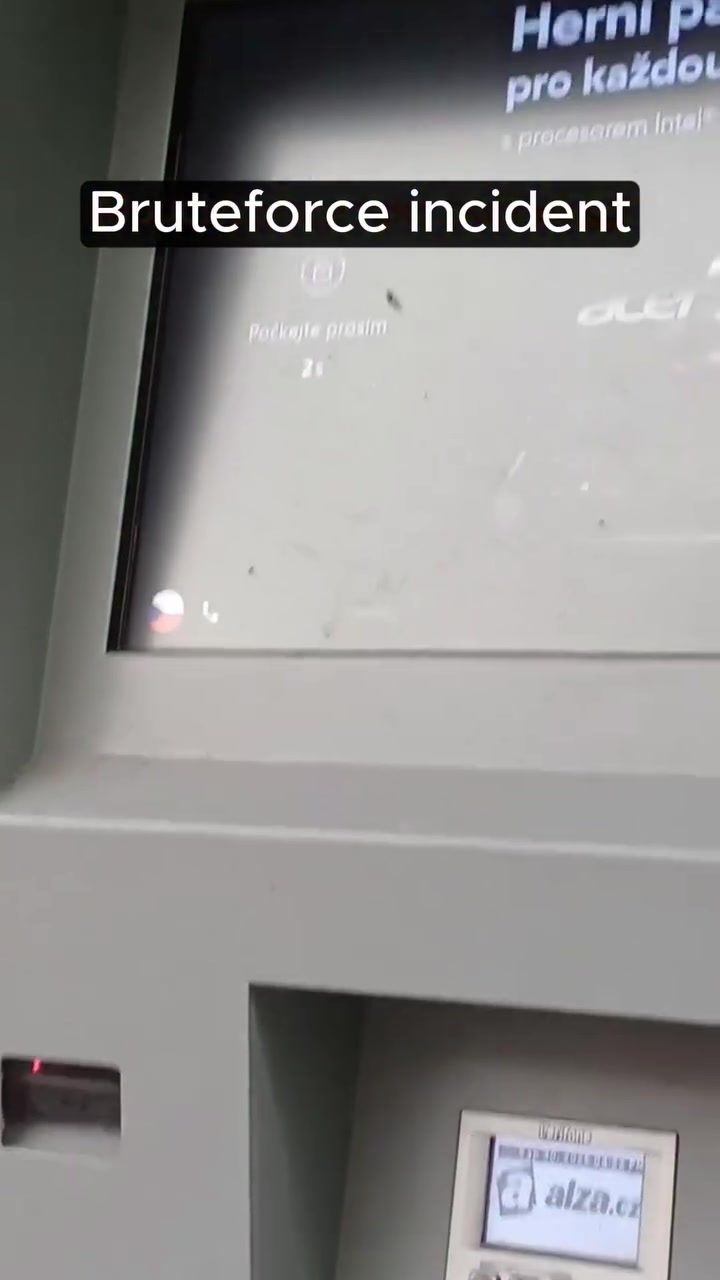
An ATM screen displaying a keypad and options, with the text "Brute force incident" overlaid, raises significant concerns about ATM security. This scenario highlights the vulnerability of ATMs to brute force attacks, where attackers systematically try multiple PIN combinations to gain unauthorized access.
Why This Matters
ATMs are crucial for everyday financial transactions, and their security is paramount. A brute force attack, where an attacker inputs numerous PIN combinations until the correct one is found, can compromise an ATM and lead to significant financial losses. Understanding the mechanics and prevention of such attacks is essential for both ATM operators and users.
Main Discussion
Understanding Brute Force Attacks
A brute force attack on an ATM involves an attacker repeatedly entering different PIN combinations until they gain access. This method can be time-consuming but is effective if the ATM does not have adequate security measures in place. The primary goal of a brute force attack is to exploit the system's lack of protection against multiple incorrect PIN entries.
How Brute Force Attacks Work
- Initial Access: The attacker gains physical access to the ATM, which is often the most challenging part of the attack.
- Inputting PINs: Using a preprogrammed device or manually, the attacker inputs a series of PIN combinations.
- Bypassing Lockouts: Some ATMs have mechanisms to lock out after a certain number of incorrect attempts. Attackers may use tools to bypass these locks or simply have enough time to input the correct PIN before being detected.
Security Measures Against Brute Force Attacks
ATM manufacturers and operators implement various security measures to prevent brute force attacks. These measures are designed to make it difficult for attackers to gain unauthorized access.
Intrusion Detection Systems
Intrusion Detection Systems (IDS) monitor ATM activity for suspicious behavior. If an IDS detects an unusual number of incorrect PIN entries, it can trigger an alert or temporarily lock the ATM.
Lockout Mechanisms
Lockout mechanisms prevent multiple incorrect PIN entries by locking the ATM for a set period or requiring additional verification steps after a certain number of failed attempts. This makes brute force attacks more time-consuming and difficult to execute.
Encryption and Data Protection
Encrypting data transmitted between the ATM and the financial institution adds an extra layer of security. Even if an attacker gains access to the ATM, the encrypted data makes it difficult to use the information maliciously.
The Role of ATM Manufacturers
ATM manufacturers, like Verifone, play a critical role in developing secure systems. They continuously update their software and hardware to address new threats and vulnerabilities. The "Brute force incident" text on the screen suggests that the video is documenting an attempt to expose a security flaw, highlighting the importance of ongoing vigilance in ATM security.
Practical Tips
For ATM Operators
- Regular Updates: Ensure that all software and firmware are up-to-date with the latest security patches.
- Monitoring: Implement robust monitoring systems to detect and respond to suspicious activity quickly.
- Physical Security: Enhance physical security measures, such as surveillance cameras and tamper-evident seals, to deter physical access by attackers.
- User Education: Educate users about ATM security best practices, including the importance of covering the keypad when entering a PIN.
For ATM Users
- Cover the Keypad: Always cover the keypad with your hand when entering your PIN to prevent shoulder surfing.
- Report Suspicious Activity: If you notice any unusual activity or tampering with an ATM, report it to the bank or ATM operator immediately.
- Avoid Unattended ATMs: Whenever possible, use ATMs located in well-lit, public areas with surveillance cameras.
Important Takeaways
ATM security is a shared responsibility between operators and users. Brute force attacks are a real threat, but with the right security measures in place, the risk can be significantly reduced. Regular updates, robust monitoring, and user education are key elements in maintaining ATM security.
Conclusion
ATM security is a critical concern for both operators and users. Brute force attacks, though challenging to execute, can be thwarted with the right security measures. Understanding the mechanisms of such attacks and implementing effective countermeasures is essential for maintaining the integrity and security of ATMs. By staying vigilant and proactive, we can protect our financial transactions and ensure the safety of our funds.
Watch the Reel
Questions readers ask
What is a brute force attack on an ATM?
A brute force attack on an ATM involves an attacker repeatedly trying different PIN combinations until they guess the correct one. This methodical approach can eventually grant unauthorized access to the ATM, allowing the attacker to withdraw funds or gain further access.
How can ATM operators protect their machines from brute force attacks?
ATM operators can implement several measures to protect against brute force attacks. These include setting up lockout mechanisms after a certain number of failed PIN attempts, using advanced encryption and security protocols, and regularly monitoring ATMs for suspicious activity.
What should ATM users do to safeguard their PINs from brute force attacks?
ATM users should create strong, unique PINs that are not easily guessable. It is also advisable to cover the keypad when entering the PIN to prevent shoulder surfing, and to be aware of any unusual activity around the ATM.
What are the common signs of a brute force attack on an ATM?
Signs of a brute force attack on an ATM may include multiple failed transaction attempts, unusual activity around the machine, or physical tampering with the keypad. Users should report any suspicious behavior to the ATM operator or local authorities immediately.
What security measures can be taken to prevent brute force attacks on ATMs?
Security measures to prevent brute force attacks include implementing rate-limiting measures, using time delays between PIN attempts, and deploying advanced monitoring systems. Regular software updates and hardware inspections can also help mitigate the risk of such attacks.
How do brute force attacks differ from other types of ATM hacking incidents?
Brute force attacks specifically target the PIN system by attempting multiple combinations, whereas other types of ATM hacking incidents might involve physical tampering, malware, or exploitation of software vulnerabilities. Brute force attacks rely on persistence and trial-and-error to gain access.
Related deep dives
Similar reads based on topic and creator.




Recent articles
Fresh deep dives from the latest Reels we unpacked.




Comments
Be the first to comment.