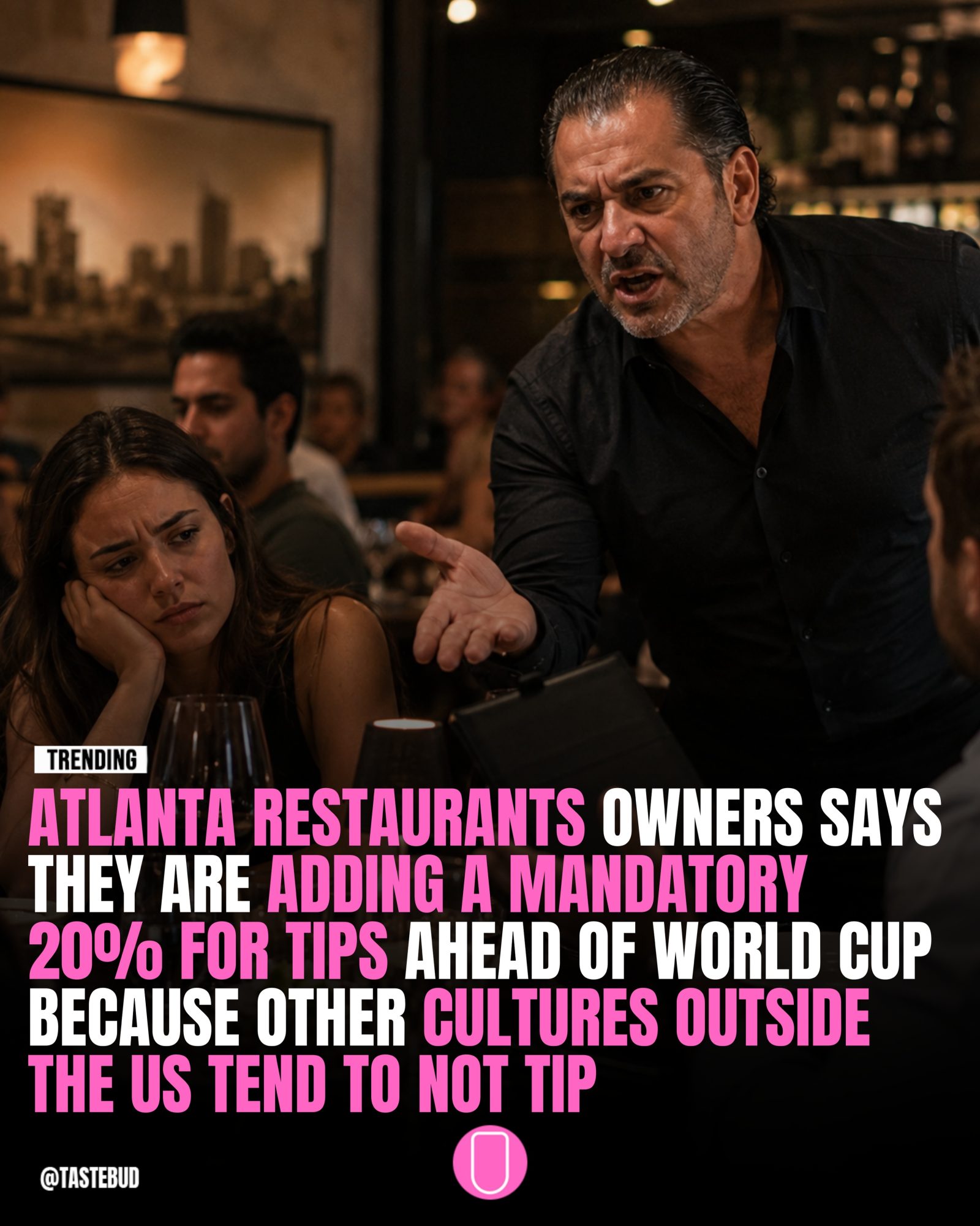
Automatic Gratuity in Atlanta Restaurants
As Atlanta gears up to host FIFA World Cup matches in 2026, local restaurant owners are taking proactive measures to ensure fair compensation for their servers. One notable change includes the implementation of automatic gratuity charges on customer bills. This move is particularly relevant as the city anticipates a significant influx of international visitors who may be unfamiliar with U.S. tipping customs.
This approach, while practical for Atlanta eateries, is driven by the need to protect servers' earnings with an expected surge in tourist traffic during the World Cup. This also aligns with a broader trend where Atlanta restaurant owners are adopting similar strategies.
Why This Matters
The decision to add automatic gratuity charges is a response to the cultural nuances of tipping practices around the world. Many visitors, particularly those from countries where tipping is uncommon or already included in the bill, might find U.S. tipping customs confusing. This controversy highlights the need for clarity in dining experiences, ensuring that visitors understand and comply with local tipping expectations.
This move has sparked conversations among restaurant owners and workers, who are aiming to navigate the complexities of serving a global audience while maintaining fair wages for servers.
The Current Practices
One restaurant, T’s Brunch Bar, has already started charging an 18% gratuity and plans to increase it to 20% during the World Cup. The restaurant's owner points out that with a large number of international visitors expected, ensuring servers receive fair pay is a top priority.
Restaurant workers emphasize that many international visitors come from countries where tipping customs differ significantly from those in the U.S. This disparity can lead to confusion and potential underpayment of servers, who rely heavily on tips for their earnings.
Cultural Differences in Tipping
The debate around tipping practices is deeply rooted in cultural variations. In many European countries, for instance, service charges are often included in the bill, making tipping an uncommon practice. Similarly, in countries like Japan, tipping is considered rude and unnecessary, as exceptional service is expected as a standard.
Visitors from these regions might be unaware of the U.S. tipping culture, which typically ranges from 15% to 20% of the bill. This lack of awareness can result in lower tips for servers, who count on these gratuities to supplement their wages.
The Impact on Restaurant Workers
Restaurant workers are at the forefront of this discussion, advocating for measures that ensure their fair compensation. The implementation of automatic gratuity charges aims to mitigate potential losses in earnings due to the influx of international visitors.
By standardizing gratuity, restaurants can ensure a more consistent income for their servers, especially during peak tourist seasons. This approach also reduces the stress and uncertainty servers might face when dealing with customers who either overlook or neglect to leave tips.
Potential Challenges and Criticisms
While the implementation of automatic gratuity charges can benefit servers, it is not without its challenges. Some customers may feel that such charges are an additional burden, particularly those who are already aware of the U.S. tipping culture. This could lead to negative feedback or reduced customer satisfaction.
Critics also argue that this approach might discourage customers from leaving additional tips, which could further strain servers' earnings. It is essential for restaurant owners to communicate this change clearly to their customers, ensuring they understand the reasons behind the new policy.
Practical Tips
For restaurant owners considering implementing automatic gratuity charges, clear communication is key. Providing information on why the change is necessary and how it benefits servers can help smooth the transition. Additionally, offering the option to customize tips during the payment process can alleviate some customer concerns.
For customers, understanding the local tipping customs can significantly enhance the dining experience. Taking a moment to familiarize oneself with tipping practices can also help maintain fair compensation for servers.
Important Takeaways
The increasing popularity of automatic gratuity charges in Atlanta restaurants underscores the complexity and importance of tipping customs in the hospitality industry. As Atlanta prepares to welcome a diverse global audience, these practices ensure fair wages for servers while providing clarity to visitors.
Conclusion
As Atlanta prepares for the 2026 FIFA World Cup, automatic gratuity charges are becoming a more common sight in local restaurants. This move, though driven by cultural differences in tipping practices, aims to ensure that servers receive fair compensation. Clear communication and understanding of tipping customs will be essential for both restaurant owners and customers to navigate this shift successfully.
Watch the Reel
Questions readers ask
Why are Atlanta restaurants adding mandatory tips?
Atlanta restaurants are adding mandatory tips to accommodate the influx of international visitors during the World Cup and to ensure that servers receive fair compensation. This move helps to address the confusion that international visitors may have regarding U.S. tipping customs.
What is the purpose of automatic gratuity charges in Atlanta restaurants?
Automatic gratuity charges ensure that servers receive a consistent base wage, especially with the anticipated increase in tourist traffic during the World Cup. This helps to stabilize servers' earnings amidst the surge in visitors.
How will the automatic gratuity charges affect visitors dining in Atlanta?
International visitors dining in Atlanta will find that their bills include an automatic gratuity charge. This change aims to simplify the dining experience by removing the need to calculate and add a tip manually, although it may also help visitors understand local tipping customs better.
Are all Atlanta restaurants implementing mandatory tips?
While many Atlanta restaurants are adopting this strategy, not all establishments have implemented mandatory tipping. Individual restaurant policies may vary, so it is best to check with specific eateries for their tipping practices.
What should Atlanta restaurant owners do to prepare for World Cup visitors?
Atlanta restaurant owners should consider clearly communicating their tipping policies to visitors, potentially through menus or signage. This transparency can help manage expectations and ensure a smoother dining experience for both visitors and servers.
Will the mandatory tips be the same across all restaurants in Atlanta?
The percentage of mandatory tips may vary by restaurant. The specific amount will depend on the individual restaurant's policy, so visitors should be aware that the automatic gratuity charge might differ from one eatery to another.
What are the benefits of mandatory tips for Atlanta restaurant servers?
Mandatory tips provide a more stable income for servers, especially during high-traffic periods like the World Cup. This helps to ensure that servers are fairly compensated for their work, regardless of the customer's tipping habits or cultural background.
Related deep dives
Similar reads based on topic and creator.




Recent articles
Fresh deep dives from the latest Reels we unpacked.




Comments
Be the first to comment.