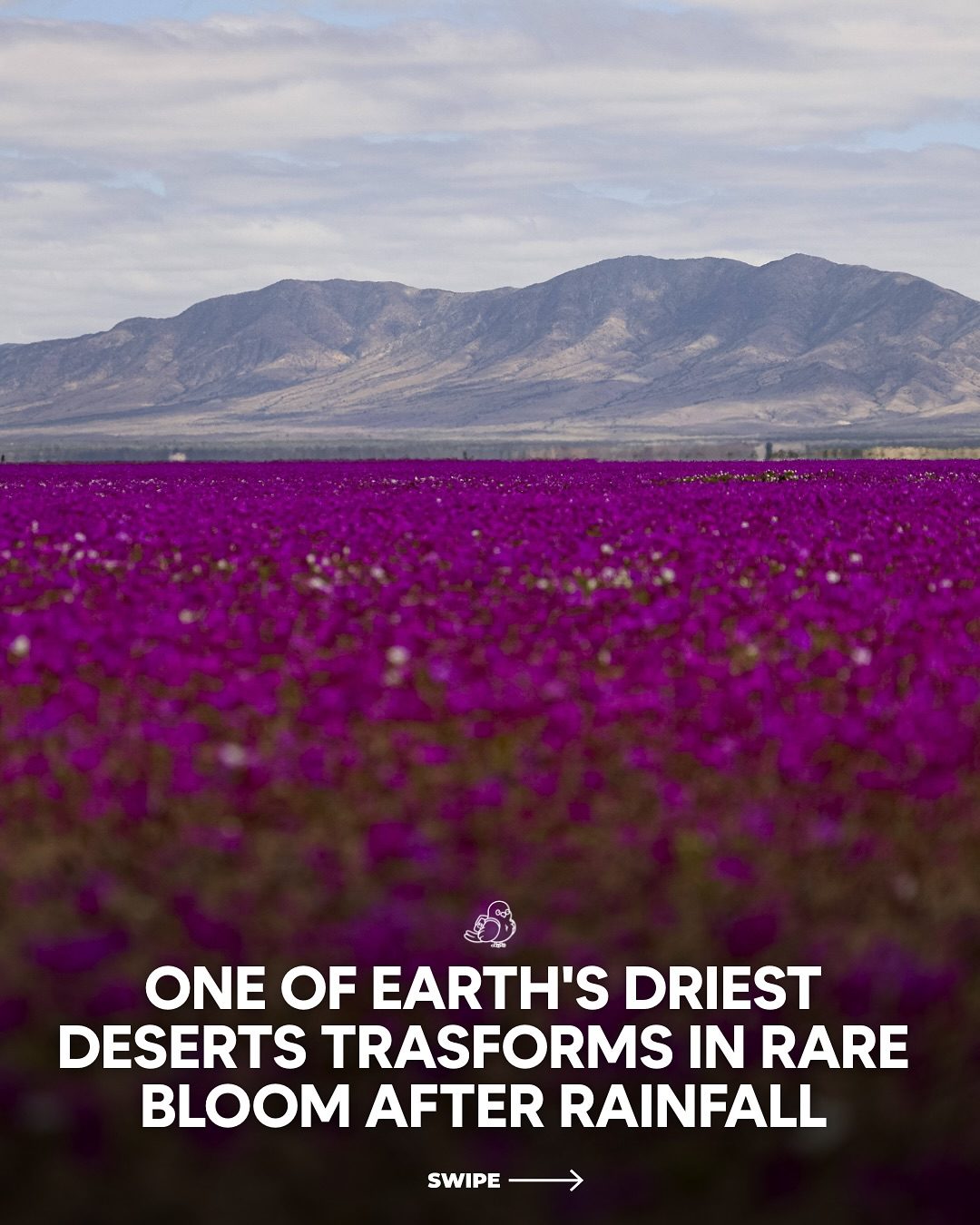
Desert Bloom After Rainfall
The Atacama Desert in Chile transforms into a vibrant sea of wildflowers after rare winter rains. This usually arid and barren landscape is often one of the driest places on Earth. Such floral transformations are rare, but when they occur, they are a breathtaking sight to behold.
Why This Matters
The Atacama Desert is renowned for its extreme aridity, making the transformation into a blooming expanse even more remarkable. This phenomenon underscores the delicate balance of desert ecosystems. These ecosystems are easily disrupted and showcase the power of even the smallest amounts of rainfall. Understanding this transformation can give you a deeper appreciation of the resilience and beauty of desert landscapes.
Main Discussion
The Atacama Desert: A Unique Ecosystem
The Atacama Desert stretches over 1,600 kilometers along the Pacific coast of South America, primarily in Chile. Its arid climate makes it one of the driest places on Earth. The desert receives less than 1 millimeter of rainfall per year, making it a harsh and unforgiving environment for most life forms. However, this harsh landscape is not devoid of life; it is home to unique flora and fauna that have adapted to these extreme conditions.
Winter Rains and Desert Blooms
In some years, the Atacama Desert experiences rare winter rains, which can trigger an extraordinary transformation. These rains are often the result of atmospheric conditions that allow moisture to reach the desert. This is a stark contrast to the desert's typical arid climate, which results in a vibrant burst of wildflowers.
The Science Behind the Desert Bloom
The blooms are predominantly purple, thanks to the hardy and resilient nature of these plants. The dominant species are often native to the region, such as the Tetragonia pilosa and Nolana. These plants have evolved to conserve water and survive in harsh conditions. They lie dormant in the soil, waiting for the right conditions to bloom.
The transformation is driven by the El Niño-Southern Oscillation (ENSO), a climate pattern that influences rainfall variability in the region. ENSO can bring more frequent and intense rainfall to the Atacama Desert, triggering the growth of these hardy plants. When the rains arrive, the dormant seeds in the soil germinate and bloom, creating a stunning display of color.
Practical Tips
Best Time to Visit the Atacama Desert
If you're planning a visit to witness the desert bloom, timing is crucial. The blooms typically occur after the winter rains, usually between September and November. During this period, the desert transforms into a vibrant tapestry of colors, particularly a sea of purple flowers.
Where to See the Blooms
The best places to witness the desert bloom are in the higher elevation areas, such as the Valle de la Luna (Moon Valley) and the Valle de Marte (Mars Valley). These valleys are part of the Salar de Atacama, a large salt flat, and offer stunning landscapes with a backdrop of vibrant wildflowers.
How to Prepare for Your Trip
Visiting the Atacama Desert, especially during the bloom, requires careful planning. Ensure you have the right gear, including comfortable hiking shoes, a hat, and sunscreen. The desert's high-altitude environment can be challenging, so acclimate to the altitude gradually.
Pack layers, as temperatures can drop significantly at night. Bring plenty of water to stay hydrated, and consider hiring a guide to navigate the terrain and share insights about the local flora and fauna.
Important Takeaways
The Atacama Desert's transformation after winter rains is a remarkable natural phenomenon. The vibrant blooms of wildflowers are a testament to the resilience and beauty of desert ecosystems. Understanding the science behind this transformation can enhance your appreciation of the delicate balance of desert environments.
Visiting the Atacama Desert during this time offers a unique opportunity to witness one of nature's most awe-inspiring spectacles. With proper planning and preparation, you can fully experience the stunning transformation of this arid landscape into a sea of wildflowers.
Conclusion
The Atacama Desert's transformation into a vibrant sea of wildflowers after rare winter rains is a breathtaking sight. This phenomenon highlights the resilience and beauty of desert ecosystems. Whether you’re a nature enthusiast or a curious traveler, witnessing this transformation is an unforgettable experience.
The Atacama Desert's bloom is a testament to nature's ability to thrive in even the harshest conditions. By understanding the science behind this transformation, you can gain a deeper appreciation for the delicate balance of desert environments. So, if you ever have the chance, don’t miss the opportunity to visit the Atacama Desert during its bloom season.
Watch the Reel
Questions readers ask
Why does the Atacama Desert bloom after winter rains?
The Atacama Desert blooms after winter rains due to the seeds of wildflowers that lie dormant in the soil, waiting for moisture. The rare rainfall triggers these seeds to germinate, resulting in a vibrant display of flowers. This phenomenon is a testament to the resilience of desert ecosystems and the power of minimal rainfall to trigger dramatic transformations.
What kinds of wildflowers can be seen during the Atacama Desert bloom?
During the bloom, the Atacama Desert is adorned with a variety of wildflowers, including the Mariposa, or ‘butterfly’ flower, the Atacama Lily, and the rare and vibrant Copiapoa cinerea. These flowers create a stunning contrast against the typically arid and barren landscape. Their color and size can vary, offering a spectacular display for visitors and locals alike.
How often does the Atacama Desert experience these rare blooms?
The Atacama Desert experiences these rare blooms infrequently, typically occurring once every 5 to 10 years, depending on the amount of rainfall. The unpredictability of these blooms adds to their allure, making them a highly anticipated event when they do happen.
What triggers the transformation of the Atacama Desert into a blooming expanse?
The transformation of the Atacama Desert is triggered by the rare winter rains, which provide the necessary moisture for dormant seeds to germinate and bloom. The usually arid and barren landscape is transformed into a vibrant sea of wildflowers, showcasing the power of even minimal rainfall in desert environments.
How does the Atacama Desert bloom impact the local ecosystem?
The Atacama Desert bloom has a significant impact on the local ecosystem, providing a temporary source of nectar and habitat for insects, birds, and other wildlife. This influx of life can also attract tourists, offering a unique opportunity for people to appreciate the natural beauty and resilience of the desert. However, the bloom is short-lived, and the landscape quickly returns to its usual arid state.
What is the best time to visit the Atacama Desert to see the blooms?
The best time to visit the Atacama Desert to see the blooms is typically from September to November, following the winter rains. During this period, the desert is in full bloom, offering visitors a breathtaking display of vibrant wildflowers. However, the exact timing can vary each year, so it's essential to stay updated with the latest information from local sources.
Related deep dives
Similar reads based on topic and creator.




Recent articles
Fresh deep dives from the latest Reels we unpacked.




Comments
Be the first to comment.