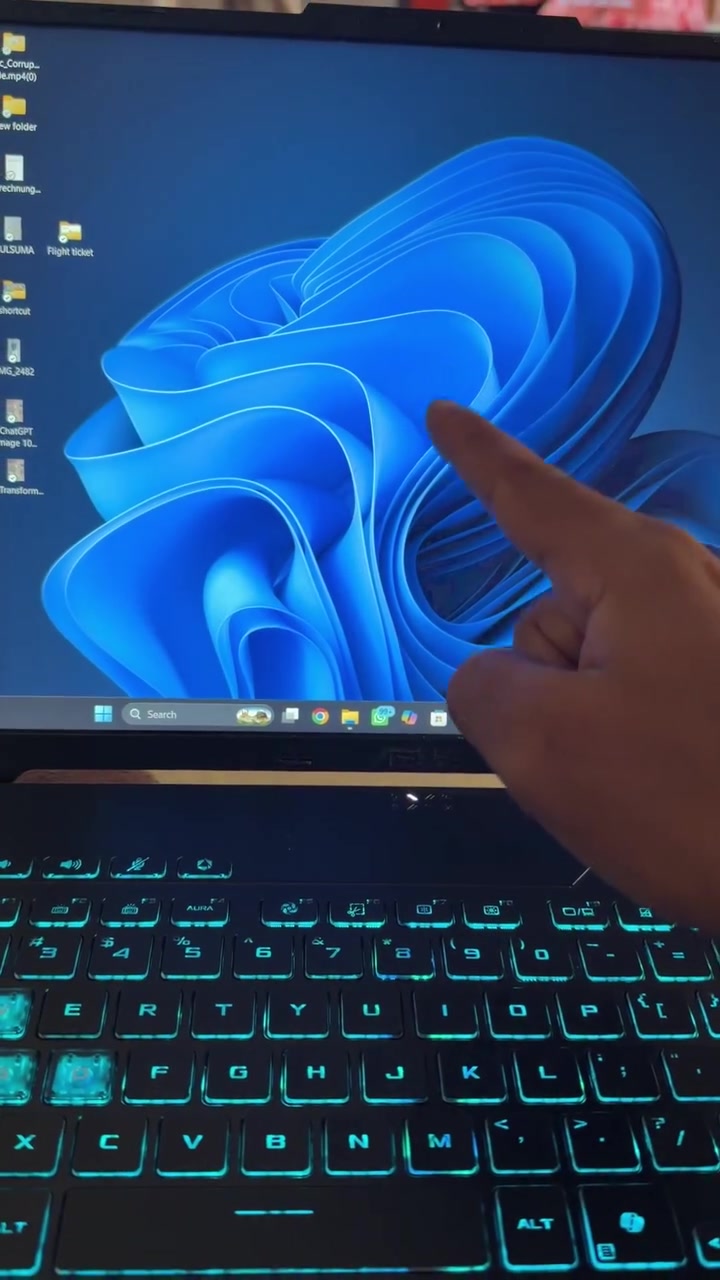
The Digital Detox: Streamlining Windows Performance
Speed matters. If you upgrade a laptop, you might get the ASUS TUF Gaming A16, with an AMD Ryzen 7 7445HS processor and an NVIDIA GeForce RTX 4050 graphics card. But optimizing performance can be tricky.
Harnessing Advanced System Settings
The tech-savvy user is always looking for ways to squeeze out more from hardware and software. One effective approach is by tuning the advanced system settings, a way to make the OS smoother. Microsoft did not create Windows to be a sleek and efficient speed machine for everyone. For many users, the visual effects, animations, and other creature comforts add to their user experience, time and resources — slowing down the system. Windows 11 Home makes it straightforward to take control of these settings. The guide is simple. Make it slick by pushing the right buttons. Press Windows + I to open the Settings menu, then navigate to System > About to find the Advanced System Settings. Tap Performance > Settings > Adjust for best performance. Click Apply and OK — this can disable many unnecessary visual effects improving your OS's responsiveness.
Why micro-optimizations matter
Windows 11 and Windows 11 Home are built for hardware acceleration capabilities. The operating system comes packed with a number of visual effects to ensure a good user experience. There is a quid-pro-quo. These settings consume a significant amount of system resources, slowing down performance. There are other ways to speed up the computer. For example, using a computer hardware like ASUS TUF Gaming A16, with an AMD Ryzen 7 7445HS processor and 16GB RAM — but often help is at hand in the corner of the desktop.
The Hidden Gems in Personalization
The Advanced System Settings are not the only tweaks available. The Performance Options menu itself is a cavern of possibilities. Users can dive into Visual Effects, Data Execution Prevention (DEP), Processor Scheduling, and Virtual Memory. Each adjustment fine-tunes the system's behavior and can sometimes yield surprising improvements. DEP, for example, protects against security threats by preventing execution from specific memory areas. It can also help free up memory for other tasks, boosting overall performance. Users can click on Advanced > Virtual Memory to enhance performance. The minimum size of the virtual memory (page file) can be increased, with the maximum size left to set itself, ensuring that the system has enough memory.
The Optics of Processor Scheduling
Processor Scheduling can influence how the system handles tasks. Programs is the default choice, which balances performance between foreground and background tasks. Background services prioritizes background tasks, which can be useful for certain workloads but may slow down interactive tasks. No need for a trip to Confusion — Adjust your system to find what works best for you.
Finding the Right Balance
It is essential to recognize that tuning system settings is balancing act. For example, disabling all visual effects can make the system faster but less visually appealing. Likewise, prioritizing background services might improve performance for certain tasks but degrade the responsiveness of interactive tasks. There is no magic bullet, and the best settings often depend on the user's specific needs and use case.
Upgrading the Hardware
Hardware upgrades become inevitable at some point as technology progresses. Users who have been sitting on an ASUS TUF Gaming A16 laptop are likely to feel the performance drop. Users might be tempted to replace it with a new computer to get the extra boost. The upgrade can be an amazing gadget.
Threshold and Bottlenecks
A system chain is only as strong as its weakest link. The bottleneck — a system component that limits the overall performance of the computer. Bottlenecks can arise from various sources, such as insufficient RAM, a slow hard drive, or a weak processor. Identifying and addressing these bottlenecks can yield significant performance improvements, sometimes greater than upgrading to a faster but otherwise similar system.
Practical Tuning for the PC
The performance of Windows computers can be enhanced by adopting a holistic approach incorporating software optimization and thoughtful hardware upgrades. For Windows users seeking to optimise their setup, once in the system’s BIOS, adjust the system RAM to prioritize maximum performance. Adjust Processor for best performance: Users can adjust the Performance Options menu by clicking on Adjusted for best performance {on Adapting to best Performance}. This will disable many unnecessary visual effects, and can make Windows feel faster and more responsive. Adjust the settings of virtual memory increase virtual memory settings to achieve enhanced performance. If users often have many programs running, increasing the virtual memory minimum size can boost the Windows performance. Legacy Hardware: Users with legacy hardware can still extend the life of the systems by upgrading essential components, managing virtual memory, and optimizing software. Disabling unnecessary services: Users should disable any unnecessary services to boost the performance of the system. This can be done using the services management console. The tweaks can help users experience the best of their computer. However, users need to remember that the system's response will vary. The optimizations might not apply to all users.
Finding the Perfect Balance
A robust Windows PC is not just about hardware; it's also about the perfect balance of hardware, software, and user behavior. By understanding and leveraging the tools and settings provided by Windows, users can unlock greater performance and efficiency from their machines. The goal is not to create a one-size-fits-all solution but to empower users with the knowledge and tools to tailor their systems to their specific needs. The adjustments go beyond end-user performance boosts to system stability and security.
Watch the Reel
Questions readers ask
What specific performance tweaks are available for the ASUS TUF Gaming A16's AMD Ryzen 7 7445HS processor and NVIDIA GeForce RTX 4050 graphics card?
The ASUS TUF Gaming A16's AMD Ryzen 7 7445HS processor and NVIDIA GeForce RTX 4050 graphics card can be optimized through advanced system settings in Windows. This includes adjusting visual effects, DEP, processor scheduling, and virtual memory. By tweaking these settings, users can enhance the overall performance and responsiveness of the system.
How do I access and adjust the advanced system settings on my ASUS TUF Gaming A16?
To access and adjust the advanced system settings on your ASUS TUF Gaming A16, press **Windows + I** to open the Settings menu, then navigate to **System > About** to find the **Advanced System Settings**. From there, you can tap **Performance > Settings > Adjust for best performance** and click **Apply** and **OK** to disable unnecessary visual effects and improve system responsiveness.
Can tweaking the advanced system settings on my ASUS TUF Gaming A16 affect its visual appeal?
Yes, tweaking the advanced system settings, such as disabling all visual effects, can make the system faster but less visually appealing. It's a balancing act where you might sacrifice some aesthetics for better performance. Users should experiment with different settings to find the right balance for their needs.
What is Data Execution Prevention (DEP) and how does it help with performance on the ASUS TUF Gaming A16?
Data Execution Prevention (DEP) is a security feature that prevents code from being executed from certain memory areas, which can help protect against security threats. Additionally, DEP can free up memory for other tasks, potentially boosting overall performance on the ASUS TUF Gaming A16. Users can enable DEP through the Performance Options menu.
Related deep dives
Similar reads based on topic and creator.



Recent articles
Fresh deep dives from the latest Reels we unpacked.




Comments
Be the first to comment.