Ancient Buddha Statue Discovery
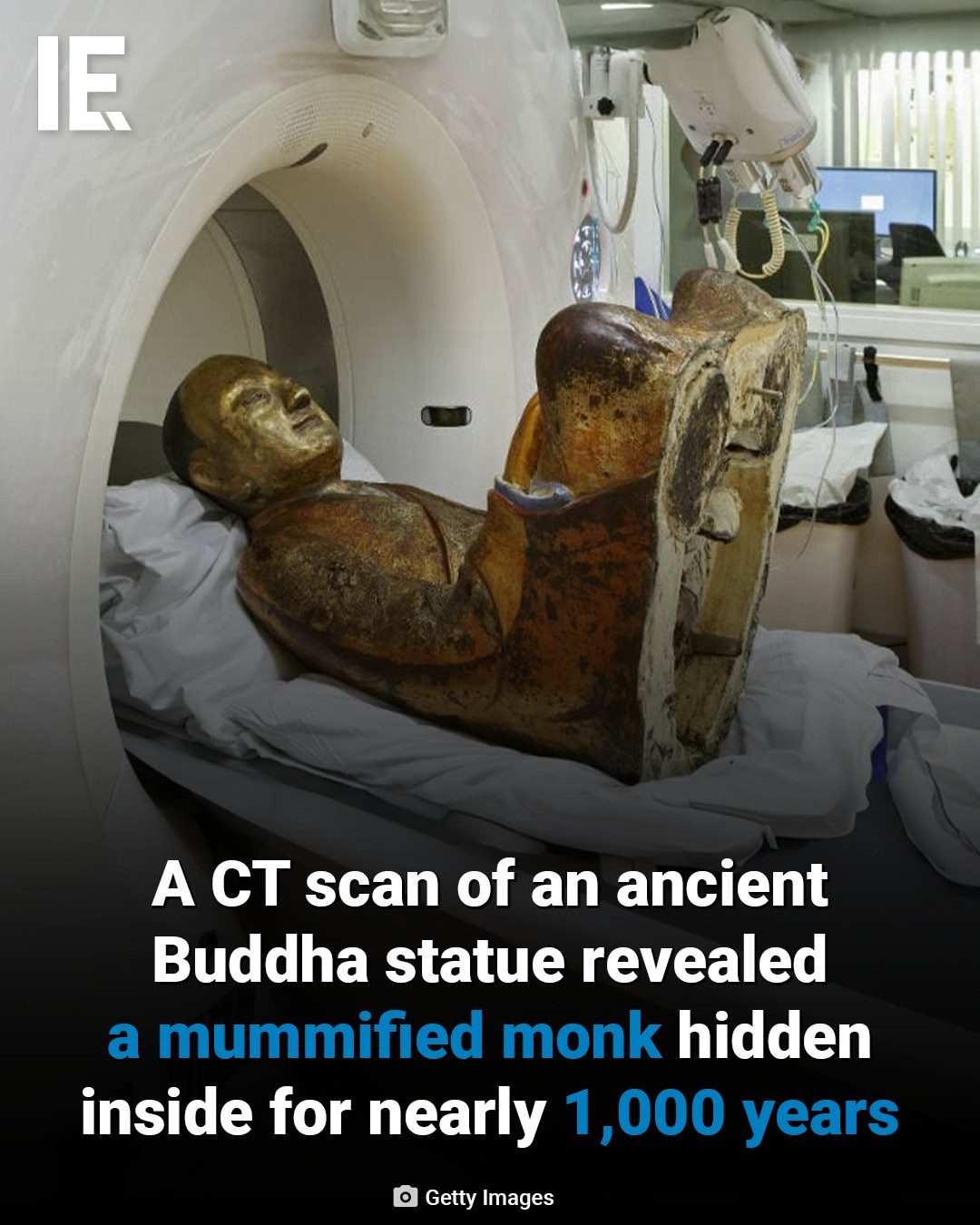
The discovery of a mummified monk inside an ancient Buddha statue has captivated researchers and history enthusiasts alike. Dating back to the 11th or 12th century, this statue was initially thought to be a typical religious artifact. However, advanced medical technology revealed a remarkable secret hidden within.
Context / Why this matters
This discovery is significant for several reasons. First, it provides unprecedented insights into Buddhist practices and burial customs from nearly a thousand years ago. Second, it demonstrates the potential of modern medical imaging technology in archaeological research. Third, it raises questions about the true purpose of religious artifacts and their role in preserving cultural heritage.
Main discussion
The Discovery
The Buddha statue, believed to have been crafted around the 11th or 12th century, was subject to a routine examination in the Netherlands. Doctors used a CT scanner to investigate the interior of the statue, expecting to find typical construction materials. To their astonishment, the scan revealed a mummified monk seated inside. The monk, identified as the Buddhist master Liuquan, was remarkably well-preserved, offering a rare glimpse into ancient Buddhist practices.
The Monk Inside
The mummified monk is estimated to be nearly 1,000 years old. Researchers later conducted an endoscopy to further examine the interior of the statue. This procedure revealed additional materials inside the body cavity, suggesting that the statue served a more profound purpose than merely a sculptural representation. The presence of these materials indicates that the statue may have functioned as a sacred reliquary, a container for holding sacred relics.
Historical and Cultural Significance
The discovery of the mummified monk inside the Buddha statue offers valuable insights into ancient Buddhist practices. It is believed that the statue was created as a final resting place for the monk, who was likely a highly revered figure. The statue's design and the materials found inside suggest that it was crafted with great care and reverence, possibly serving as a sacred object for worship and meditation.
Practical tips
Understanding Reliquaries
Reliquaries are containers used to hold sacred relics, which can include the remains of saints, martyrs, or other significant religious figures. The Buddha statue in question is believed to have functioned as a reliquary, containing the remains of the Buddhist master Liuquan. Understanding the significance of reliquaries can provide deeper insights into religious practices and the veneration of sacred objects.
The Role of Modern Technology
Modern technology, such as CT scanners and endoscopy, has proven invaluable in archaeological research. These tools allow researchers to examine artifacts non-invasively, revealing hidden secrets that might otherwise remain undiscovered. The use of such technology in archaeology underscores the importance of interdisciplinary approaches in uncovering and preserving cultural heritage.
Important takeaways
The discovery of the mummified monk inside the Buddha statue highlights the importance of modern technology in archaeological research. It also provides valuable insights into ancient Buddhist practices and the significance of reliquaries in preserving cultural heritage.
Conclusion
The discovery of a mummified monk inside an ancient Buddha statue is a remarkable find that offers a unique window into the past. This discovery not only sheds light on ancient Buddhist practices but also underscores the importance of modern technology in archaeological research. As we continue to uncover such treasures, we gain a deeper appreciation for the rich cultural heritage that has been preserved through the ages.
Watch the Reel
Questions readers ask
How was the mummified monk preserved inside the Buddha statue?
The monk was likely preserved through a process involving self-mummification, a practice known as Sokushinbutsu, where monks would follow a strict regimen of diet and meditation to achieve a state of living death. This process, combined with the protective environment within the statue, contributed to the monk's remarkable preservation.
What do researchers hope to learn from the mummified monk discovery?
Researchers aim to gain insights into Buddhist practices and burial customs from the medieval period. More specifically, they are investigating the monk's lifestyle, health, and the cultural significance of the statue itself. This information can shed light on the religious and societal norms of the time.
What role did medical imaging technology play in this archaeological discovery?
Medical imaging technology was crucial in revealing the mummified monk within the Buddha statue. Techniques such as CT scans allowed researchers to non-invasively examine the statue's interior, uncovering the remarkable secret hidden inside without causing any damage to the artifact.
Why is the discovery of a mummified monk inside a Buddha statue significant?
This discovery is significant because it provides a rare glimpse into ancient Buddhist burial customs and the practices of self-mummification. Additionally, it highlights the potential of modern technology in enhancing archaeology, offering new ways to explore and understand historical artifacts.
How does this discovery contribute to our understanding of Buddhist practices?
The mummified monk inside the Buddha statue offers tangible evidence of self-mummification practices and the beliefs surrounding death and enlightenment in Buddhism. By studying the monk and the statue, researchers can better understand the deeply spiritual and ritualistic aspects of medieval Buddhism.
What are the potential challenges in studying the mummified monk?
Studying the mummified monk presents unique challenges. Researchers must handle the remains with utmost care to preserve its integrity, while also ensuring that any investigations are conducted ethically and respectfully. Additionally, the constraints of studying a mummified body that has been encased for centuries add to the complexity of the research.
Related deep dives
Similar reads based on topic and creator.

Recent articles
Fresh deep dives from the latest Reels we unpacked.




Comments
Be the first to comment.