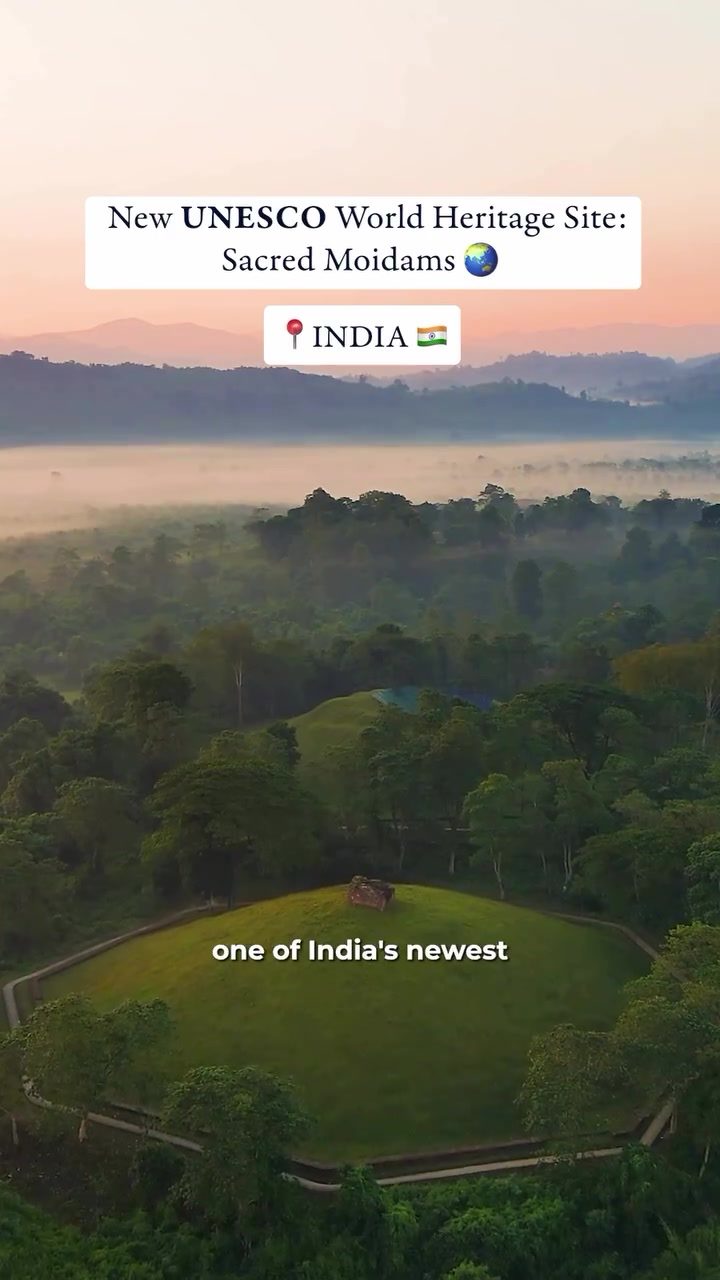
Sacred Moidams UNESCO Site
The Sacred Moidams of Assam, India, have just been inscribed as a UNESCO World Heritage site, offering a unique glimpse into the region's rich history and cultural heritage. These royal burial mounds, nestled in the foothills of the Patkai Ranges, date back to the 13th century and are intricately tied to the Tai-Ahom dynasty's spiritual traditions.
Why This Matters
The Moidams are more than just historical artifacts; they are a testament to the enduring cultural practices of the Tai-Ahom people. These sacred mounds, known as "homes-for-spirit," embody the fusion of nature and architecture, reflecting the deep spiritual significance of the Tai-Ahom dynasty. Understanding these sites provides insight into the ancient rituals of ancestor worship and Tarpan, which continue to be practiced today.
Historical and Cultural Significance
The Tai-Ahom Dynasty
The Tai-Ahom dynasty, which ruled Assam from the 13th to the 19th centuries, left an indelible mark on the region's cultural landscape. The Moidams are a prime example of their architectural and spiritual legacy. These burial mounds were constructed as resting places for royal and noble families, symbolizing their reverence for ancestry and the afterlife.
Architecture and Design
The Moidams are built using a unique method that involves creating a hollow space with bricks, stone, or packed earth, then covering it with dirt to form a mound. This construction technique not only ensures the stability of the structures but also adds to their aesthetic appeal. The 90 burial sites vary in size and design, showcasing the intricate craftsmanship and artistic sensibilities of the Tai-Ahom people.
Spiritual and Cultural Practices
The Moidams are deeply rooted in the spiritual traditions of the Tai-Ahom people. They are often referred to as "homes-for-spirit," reflecting the belief that the mounds serve as permanent abodes for the spirits of the deceased. Ancestor worship and the ritual of Tarpan, which involves offering water and prayers to the deceased, are still practiced today, highlighting the enduring significance of these traditions.
Comparison to Other World Heritage Sites
Like the Egyptian pyramids, the Moidams are a testament to human ingenuity and cultural heritage. While the pyramids are renowned for their monumental scale and engineering prowess, the Moidams offer a more intimate and nuanced look at the burial practices and spiritual beliefs of the Tai-Ahom dynasty.
Exploring the Moidams
Best Time to Visit
The ideal time to visit the Moidams is during the winter months, from October to March. The cooler weather and the absence of the monsoon season make this period perfect for exploring the site. Whether you're a history buff or a curious traveler, the Moidams offer a unique experience to delve into Assam’s cultural heritage.
Practical Tips for Visiting
Getting There
The Moidams are located in Assam, northeastern India. The region is easily accessible by air, with the nearest airport being Lokpriya Gopinath Bordoloi International Airport in Guwahati. From there, you can travel by road to the Patkai Ranges, where the Moidams are situated.
Accommodation and Amenities
There are several accommodation options available in the region, ranging from budget-friendly hotels to luxury resorts. It's advisable to book your stay in advance, especially during the peak tourist season. Many hotels and resorts offer guided tours to the Moidams, ensuring a comprehensive and informative visit.
What to Bring
When visiting the Moidams, it's essential to bring comfortable walking shoes, a hat, sunscreen, and a water bottle. The site is vast, and you will likely spend a considerable amount of time exploring the burial mounds. Carrying a camera is also a good idea, as the scenic beauty of the surrounding landscape is breathtaking.
Guided Tours
Hiring a local guide can significantly enhance your experience. Guides are knowledgeable about the history and significance of the Moidams and can provide valuable insights into the cultural practices associated with the site. They can also help you navigate the area and share local lore and stories.
Important Takeaways
Cultural Preservation
The UNESCO inscription of the Moidams underscores the importance of preserving cultural heritage. These mounds not only serve as historical artifacts but also as living testaments to the enduring spiritual traditions of the Tai-Ahom people.
Tourist Attraction
The Moidams offer a unique tourist experience, blending history, culture, and natural beauty. Whether you're a history enthusiast or a curious traveler, a visit to the Moidams is an enriching experience that offers a glimpse into Assam's rich past and present.
Community Engagement
The local community plays a crucial role in preserving and promoting the Moidams. Engaging with local guides and residents can provide a deeper understanding of the site's significance and the ongoing efforts to preserve it for future generations.
Conclusion
The Sacred Moidams of Assam, India, stand as a testament to the rich cultural heritage and spiritual traditions of the Tai-Ahom dynasty. These royal burial mounds, with their intricate designs and historical significance, offer a unique glimpse into the past while continuing to be a part of the present. Whether you're a history buff or a curious traveler, a visit to the Moidams promises an unforgettable experience of cultural exploration and spiritual discovery.
Watch the Reel
Questions readers ask
What are the Sacred Moidams and why are they significant?
The Sacred Moidams are 90 royal burial mounds located in Assam, India, dating back to the 13th century. They are significant as they provide a unique insight into the history and cultural practices of the Tai-Ahom dynasty, including ancestral worship and spiritual traditions.
What makes the Sacred Moidams a UNESCO World Heritage site?
The Sacred Moidams were inscribed as a UNESCO World Heritage site due to their outstanding cultural significance. They represent the unique fusion of nature and architecture, reflecting the spiritual beliefs and practices of the Tai-Ahom people.
Who built the Sacred Moidams and when were they constructed?
The Sacred Moidams were constructed by the Tai-Ahom dynasty. The mounds date back to the 13th century and were created as burial sites for the royal members of the Tai-Ahom kingdom.
What is the cultural importance of the Sacred Moidams in Assam?
The Sacred Moidams hold profound cultural importance in Assam as they embody the deep reverence of the Tai-Ahom people for their ancestry and the afterlife. These mounds are known as 'homes-for-spirit' and are central to the ancient rituals of ancestor worship and Tarpan.
What kind of architecture can be found at the Sacred Moidams?
The architecture of the Sacred Moidams is distinctive, featuring a harmonious blend of natural elements and man-made structures. This unique design underscores the Tai-Ahom dynasty's reverence for nature and their spiritual beliefs.
How many Moidams are there and where are they located?
There are 90 Moidams in total, nestled in the foothills of the Patkai Ranges in Assam, India. These mounds serve as a testament to the enduring heritage of the Tai-Ahom people and their rich cultural legacy.
What are the main activities and rituals associated with the Sacred Moidams?
The Sacred Moidams are central to the ancient rituals of ancestor worship and Tarpan, which involve honoring and appeasing the spirits of the deceased. These rituals reflect the deep spiritual significance of the Tai-Ahoms’ connection to their ancestors and the afterlife.
Related deep dives
Similar reads based on topic and creator.




Recent articles
Fresh deep dives from the latest Reels we unpacked.




Comments
Be the first to comment.