The Intersection of Art, Culture, and Aging
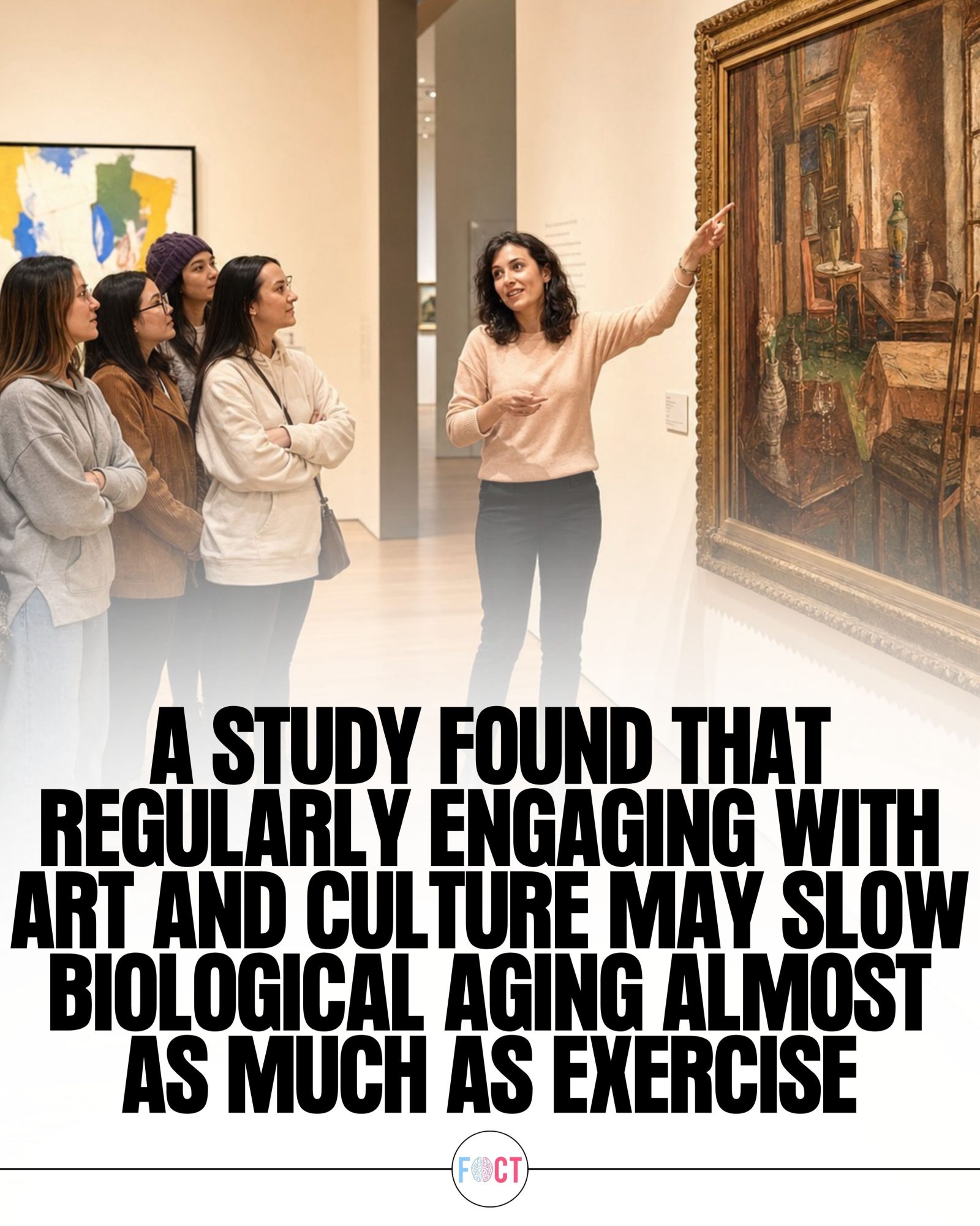
Art galleries, museums, and cultural events have long been celebrated as enriching experiences. Recently, a study published in Nature Medicine provided a fascinating insight: engaging regularly with the arts and cultural activities may slow biological aging. This discovery aligns with the notion that romanticizing life can be a form of self-care, backed by scientific research.
Why This Matters
Biological aging refers to the gradual decline in physiological function over time, distinct from chronological age. The study, which examined biological aging markers, suggests that cultural engagement can significantly impact long-term health. The effects are comparable to those associated with physical activity and socioeconomic advantages.
The Science Behind the Findings
Understanding Biological Aging
Biological aging is influenced by various factors, including genetics, lifestyle, and environment. Unlike chronological age, which simply measures the passage of time, biological aging reflects the actual condition of the body. Engaging with arts and culture may influence these biological processes in positive ways.
The Role of Cultural Engagement
Cultural engagement encompasses a wide range of activities, from visiting museums and galleries to attending concerts and theater performances. These activities can reduce stress, improve mental well-being, encourage social connection, and stimulate the brain. The study highlights that these benefits contribute to slower biological aging, suggesting a holistic approach to health and well-being.
Comparison to Physical Activity
The benefits of cultural engagement are noteworthy. Researchers found that the positive effects on biological aging are almost as significant as those from regular physical exercise. This means that activities like visiting a museum or attending a concert can have tangible health benefits, often overlooked in traditional health advice.
How to Incorporate Art and Culture into Your Life
Visiting Museums and Galleries
Museums and galleries offer a wealth of cultural experiences. They provide opportunities to engage with history, art, and different cultures. Many museums also offer guided tours and interactive exhibits, enhancing the learning experience. Regular visits can be a relaxing and enriching part of your routine.
Attending Concerts and Theater Performances
Concerts and theater performances offer a dynamic and immersive cultural experience. These events stimulate the brain, evoke emotions, and provide a sense of connection with others. Whether you enjoy classical music, rock concerts, or theatrical plays, these activities can be a valuable addition to your lifestyle.
Participating in Art Classes and Workshops
Engaging in art classes and workshops allows for hands-on experience with various art forms. Whether it's painting, pottery, or photography, creating art can be deeply satisfying and therapeutic. Workshops also offer a social aspect, providing opportunities to meet like-minded individuals and form new connections.
Exploring Cultural Festivals and Events
Cultural festivals and events celebrate diversity and offer immersive experiences. From food festivals to cultural fairs, these events provide a rich tapestry of experiences. Participating in these activities can broaden your cultural horizon, reduce stress, and foster a sense of community.
Practical Tips for Incorporating Art and Culture
Plan Regular Visits
Plan regular visits to museums, galleries, or cultural events. Set aside a specific day each month to explore a new exhibit or performance. This routine can help make cultural engagement a consistent part of your life.
Join Cultural Groups or Clubs
Joining cultural groups or clubs can provide a sense of community and shared interests. These groups often organize regular outings, workshops, and events, making it easier to stay engaged with the arts and culture.
Explore Online Resources
In today's digital age, there are numerous online resources for engaging with art and culture. Virtual tours, online exhibits, and live-streamed performances make it possible to enjoy cultural experiences from the comfort of your home.
Try New Things
Don't be afraid to try new activities. Whether it's a different art form or a new cultural experience, stepping out of your comfort zone can be rewarding and enriching. Experiment with various art and cultural activities to find what resonates with you.
Important Takeaways
The study's findings emphasize the importance of cultural engagement in promoting long-term health and well-being. Incorporating arts and culture into your lifestyle can have significant benefits, comparable to those of regular physical activity. By reducing stress, improving mental well-being, and encouraging social connection, cultural engagement can positively impact biological aging.
The benefits extend beyond individual health to encompass a broader sense of well-being and social connection. Engaging with art and culture can enrich your life, providing a deeper sense of fulfillment and purpose. Whether through visiting museums, attending concerts, or participating in workshops, there are numerous ways to incorporate art and culture into your daily routine.
Conclusion
The intersection of art, culture, and aging offers a unique perspective on health and well-being. Engaging regularly with arts and cultural activities can slow biological aging, providing significant health benefits. Incorporating these activities into your lifestyle can be a rewarding and enriching experience, enhancing both your mental and physical well-being. So, whether you choose to spend a day at a museum or attend a concert, know that you're not just enjoying a moment of leisure—you're also investing in your long-term health.
Watch the Reel
Questions readers ask
How does engaging with art and culture impact biological aging?
Engaging with art and culture can slow biological aging by reducing stress, enhancing mental well-being, and stimulating the brain. Regular participation in cultural activities has been linked to improved long-term health, much like the benefits of physical activity and socioeconomic advantages.
What are some examples of cultural activities that can benefit health?
Activities such as visiting art galleries, museums, and attending cultural events have been shown to positively impact health. These activities provide opportunities for stress reduction, mental stimulation, and emotional enrichment, all of which contribute to overall well-being.
How does art therapy aid in aging processes?
Art therapy can help reduce stress and improve mental well-being, which are key factors in slowing the biological aging process. By engaging in creative activities, individuals can experience emotional release, cognitive stimulation, and a sense of accomplishment, all of which promote healthier aging.
What specific health benefits do museum visits offer for seniors?
Museum visits offer seniors a range of health benefits, including reduced stress, improved cognitive function, and enhanced mental well-being. These visits provide a stimulating environment that can keep the mind active and engaged, contributing to better overall health and slower biological aging.
Can participating in art events really make a difference in long-term health?
Yes, participating in art events can have a positive impact on long-term health. These events offer opportunities for social interaction, mental stimulation, and emotional enrichment. By engaging with various art forms, individuals can experience stress reduction and improved mental well-being, which are crucial for maintaining good health.
How does cultural involvement enhance mental well-being in older adults?
Cultural involvement enhances mental well-being in older adults by providing a sense of purpose, reducing feelings of isolation, and stimulating the brain. Engaging in cultural activities can lead to improved cognitive function, emotional resilience, and overall satisfaction with life, all of which contribute to a slower aging process.
What role does brain stimulation play in the relationship between art and aging?
Brain stimulation plays a crucial role in the relationship between art and aging. Engaging with art and culture can stimulate the brain, promoting neuroplasticity and cognitive function. This mental activity helps to maintain and even improve cognitive abilities, which can slow the decline in physiological function associated with aging.
Recent articles
Fresh deep dives from the latest Reels we unpacked.




Comments
Be the first to comment.