The Art of Handmade Chalk in India
Chalk, a ubiquitous tool in school classrooms, is often assumed to be a product of modern machinery. However, in India, a different story unfolds. Here, some workers still craft chalk by hand, using simple tools and skill. This traditional method not only showcases the timeless craftsmanship but also the patience and precision required to create something as simple yet essential as chalk.
Why this Matters
In a world dominated by industrial production, the art of handmade chalk represents a connection to traditional craftsmanship. It underscores the value of manual labor and the attention to detail that machines often cannot replicate. Understanding this process offers insight into the cultural heritage and the ingenuity of workers who continue to practice this age-old method.
The Crafting Process
The process of making chalk by hand in India involves several meticulous steps. Here’s a detailed look at how it's done:
Preparation of the Mixture
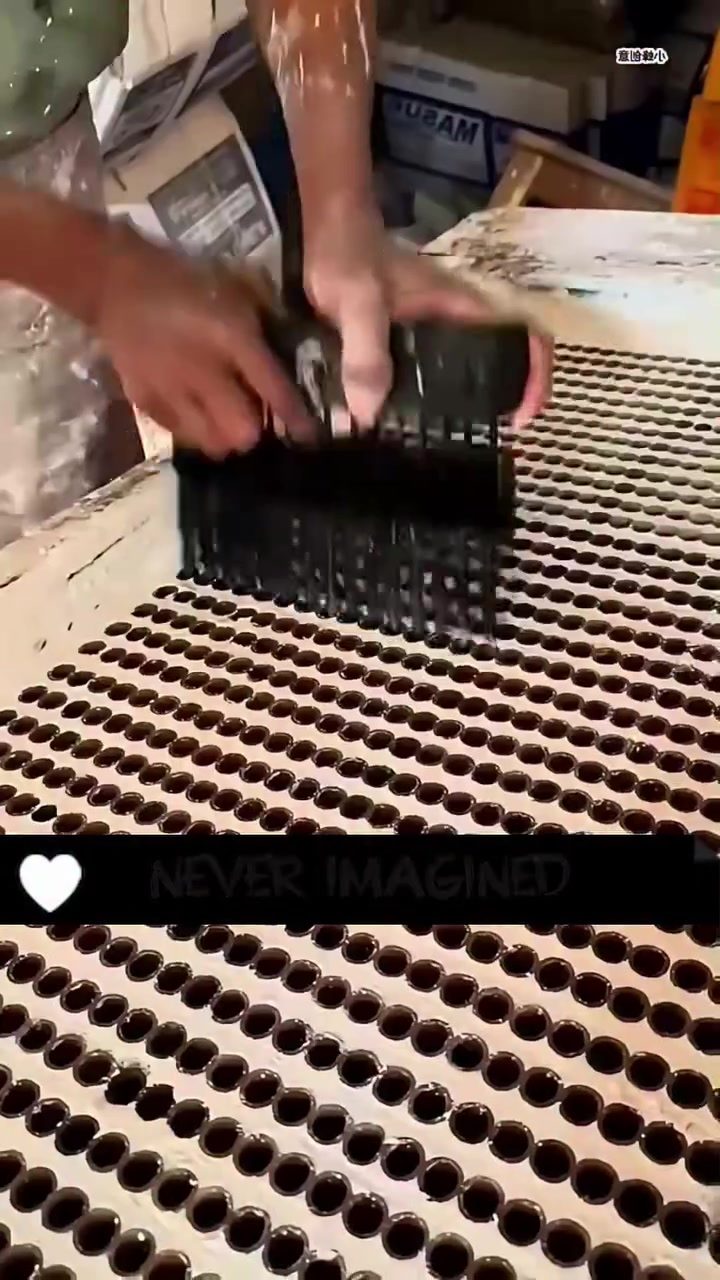
The first step involves preparing a thick plaster mixture. This mixture is poured onto a large metal mold, which is filled with hundreds of tiny holes. The holes in the mold determine the shape and size of the chalk sticks. The mold is carefully filled to ensure that every hole is completely occupied by the mixture. This step is crucial because any mistake can ruin the shape of the chalk, affecting its final form and functionality.
Molding and Spreading
Using flat shovels, workers carefully spread the mixture across the surface of the mold. The mixture is distributed evenly to ensure that no gaps are left, which could otherwise result in deformed chalk sticks. The spread is done with precision to ensure uniformity, which is a testament to the craftsmanship involved in the process.
Drying and Forming
After the mixture is evenly spread, the mold is left to dry for about 30 minutes. During this time, the plaster hardens and takes the form of the mold. The drying process is crucial as it determines the final shape and strength of the chalk. Any interruption or inconsistency during this phase can negatively impact the quality of the chalk.
Finishing and Packing
Once the chalk has hardened, workers carefully remove the finished chalk sticks from the mold. Each stick is then counted and packed into small boxes for sale. This final step ensures that the chalk is ready for distribution and use in classrooms across the country. It is a simple yet detailed process that requires patience, precision, and real craftsmanship.
Practical Tips for Traditional Crafting
While the process of handmade chalk might not be as widely practiced today, there are several tips that can be applied to any crafting process:
- Patience is Key: Crafting requires patience, especially when working with materials that need to dry or harden. Rushing the process can lead to imperfections.
- Precision Matters: Attention to detail is crucial in craftsmanship. Whether it’s spreading a mixture evenly or ensuring that every hole is filled, precision ensures a high-quality product.
- Use the Right Tools: Simple tools, when used correctly, can produce excellent results. In this case, flat shovels and metal molds are essential for creating uniform chalk sticks.
- Consistency is Important: Consistency in the crafting process ensures that each piece is of the same quality. This is particularly important in mass production, where uniformity is key.
Important Takeaways
- Traditional Methods Still Exist: Despite the prevalence of machinery, traditional methods of crafting still exist and are valued for their unique qualities.
- Craftsmanship is Alive: The art of handmade chalk showcases the skill and patience involved in traditional craftsmanship.
- Precision and Attention to Detail: Even the smallest details can make a significant difference in the final product, highlighting the importance of precision and attention to detail in crafting.
- Cultural Heritage: Traditional crafting methods are an integral part of cultural heritage and should be preserved and appreciated.
Conclusion
The process of making chalk by hand in India is a testament to the enduring value of traditional craftsmanship. It highlights the importance of patience, precision, and attention to detail in creating a product that is both simple and essential. This method not only represents the cultural heritage of India but also serves as a reminder of the skill and dedication involved in manual labor. By preserving and appreciating these traditional methods, we can ensure that such crafts continue to thrive and inspire future generations.
Watch the Reel
Questions readers ask
What materials are typically used in the handmade chalk production process in India?
Indian craftsmen primarily use natural materials like clay, water, and pigments to create handmade chalk. The clay is often sourced locally, and the pigments are chosen for their vibrant colors, which are mixed with the clay to create the final product.
How do Indian craftsmen ensure the durability of handmade chalk?
To ensure durability, craftsmen use a specific drying process. After forming the chalk into rods, they let the pieces dry in the sun for several days. Once dry, the chalk is hardened, making it suitable for writing. After the drying process, the chalk may also be treated with a special coating to prevent crumbling.
What tools are used in the traditional chalk production process in India?
The traditional chalk production process in India relies on simple tools. Craftsmen use molds to shape the chalk, which can be made of wood or metal. They also use basic tools like knives for cutting, and brushes for applying coatings. The simplicity of these tools highlights the craftsmanship and skill involved in the process.
How is the process of handmade chalk production different from industrial production?
Handmade chalk production in India differs from industrial production in several ways. It emphasizes manual labor and attention to detail. Each piece of chalk is individually crafted, ensuring consistency and quality. Industrial production, on the other hand, relies on machinery and mass production, often at the expense of the traditional craftsmanship.
What role do pigments play in the handmade chalk making process in India?
Pigments are crucial in the handmade chalk making process as they determine the color of the chalk. Craftsmen select and mix pigments with clay and water to achieve the desired hues. This step requires a keen eye for detail and an understanding of how different pigments behave when mixed and dried.
What techniques are used to create the chalk molds in India?
Indian craftsmen use traditional techniques to create chalk molds. They often use wooden or metal blocks to form the molds, which are then used to shape the chalk. The molds are carefully crafted to ensure that the chalk comes out in a uniform shape and size, which is essential for writing and other uses.
Why is the drying process so important in the handmade chalk production in India?
The drying process is crucial in handmade chalk production because it determines the chalk's final hardness and durability. After the chalk is formed and shaped, it is left to dry in the sun for several days. This slow drying process ensures that the chalk hardens evenly and maintains its structure, making it suitable for long-term use.
Related deep dives
Similar reads based on topic and creator.


Recent articles
Fresh deep dives from the latest Reels we unpacked.




Comments
Be the first to comment.