Chips and the Future of Architecture: ARM vs. RISC-V
Introduction to Chip Architecture
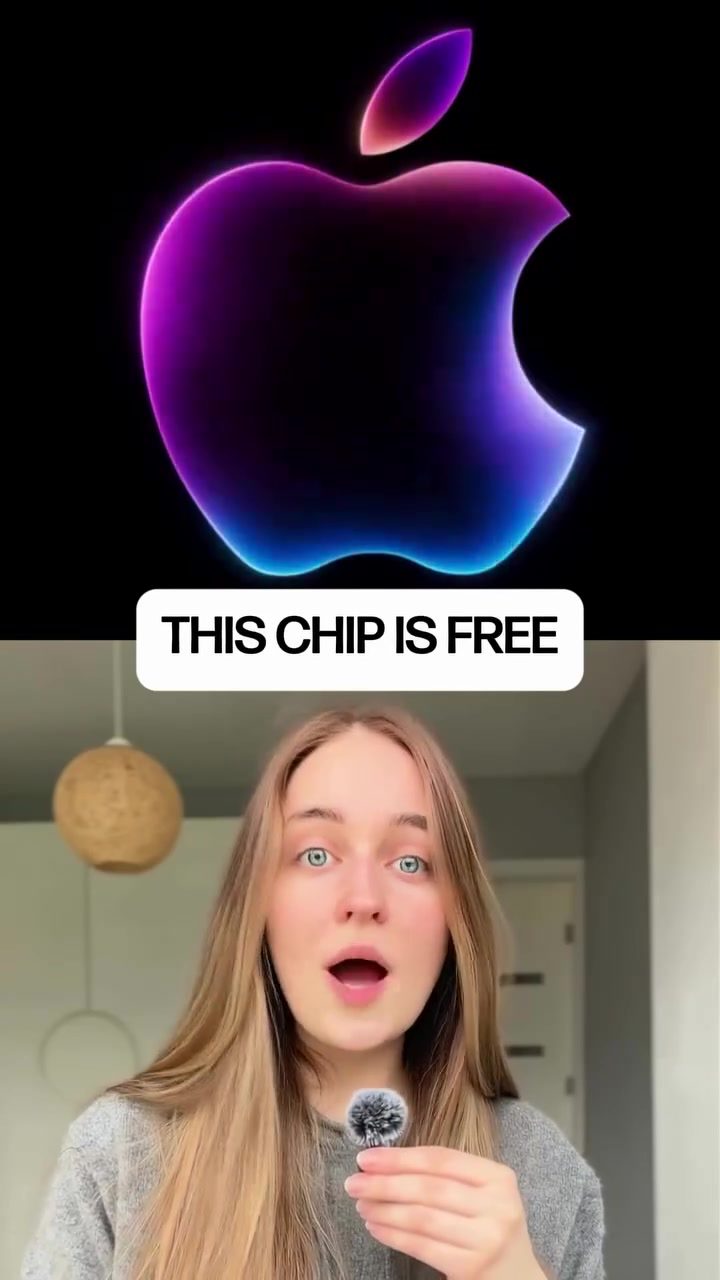
The debate around chip architecture has been a critical conversation in the tech industry. Companies like Apple, Qualcomm, and Samsung rely on ARM’s licensed architecture for their chips, despite the availability of free alternatives, such as RISC-V. While RISC-V offers openness and freedom from export restrictions, it lacks the decades of mature software tooling that ARM provides. This is a complex issue with significant implications for the future of chip design.
Context and Importance
Apple, Qualcomm, and Samsung's reliance on ARM's licensed architecture is a multibillion-dollar affair. ARM, a British company, designs the architecture for these chips, and major tech companies pay a flat fee or a cut of every unit sold. This cost is then built into the price that consumers pay for devices. Despite the high cost, ARM's architecture remains indispensable due to its mature ecosystem and robust software support.
On the other hand, RISC-V is a free, open-source alternative. It offers the same functionality as ARM but with no licensing fees. This means any company, anywhere, can use it without paying for royalties. However, this freedom comes with a catch. Because RISC-V is relatively new, it lacks the decades of mature software tooling and extensive support that ARM provides.
ARM's Dominance and RISC-V's Potential
ARM's dominance in the chip architecture world is well-established. The architecture around ARM is like a well-built road network, complete with highways, intersections, and rest stops. This metaphor extends to the software ecosystem, which includes tools like compilers, debuggers, and development environments. These tools have been finely tuned over the years to work seamlessly with ARM-based chips, making it a reliable choice for companies like Apple, Qualcomm, and Samsung.
RISC-V, however, is like free land with the potential to develop into a robust infrastructure. Mobileye, a company known for its self-driving technology, began mass-producing self-driving car chips running on RISC-V cores last year. This is a significant step forward for RISC-V, demonstrating its potential in the automotive industry. RISC-V’s openness and freedom from export restrictions make it an attractive option for companies looking to avoid licensing fees and restrictions.
The Larger Play: Open vs. Guarded Architecture
The bigger play in the RISC-V story is its openness. RISC-V is completely open-source, meaning no one controls it. No country can restrict its use, and there are no export bans. This is a stark contrast to the current state of chip architecture, which has become extremely valuable and guarded. Companies and governments are increasingly aware of the strategic importance of chip architecture, leading to strict controls and export restrictions.
Practical Tips for Navigating ARM and RISC-V
For companies deciding between ARM and RISC-V, it's important to consider the specific needs and use cases. If a company requires a mature, reliable, and well-supported architecture, ARM is the clear choice. The ecosystem around ARM is extensive, and it offers a range of tools and support that can accelerate development and integration.
However, if a company is looking for a more open and flexible solution, or if it is concerned about export restrictions and licensing fees, RISC-V is worth exploring. The key insight is that while RISC-V may not replace ARM in the next generation of smartphones, its openness and flexibility make it a strong contender in other areas, such as automotive and IoT.
Important Takeaways
- ARM’s architecture is a mature, well-supported option due to decades of development and extensive software tools.
- RISC-V is a free, open-source alternative that offers flexibility and freedom from licensing fees and export restrictions.
- The future of chip design may hinge on how quickly RISC-V builds its ecosystem and gains widespread adoption.
- Companies should evaluate their specific needs and use cases when choosing between ARM and RISC-V.
- The openness of RISC-V makes it a valuable option for industries looking to avoid licensing fees and export restrictions.
Conclusion
The debate between ARM and RISC-V is more than just a discussion about cost and licensing. It is about the future of chip design and the broader implications for industries that rely on these chips. While ARM remains the dominant player, RISC-V offers a compelling alternative with its openness and flexibility. The future of chip design may very well hinge on how quickly RISC-V can build its ecosystem and gain widespread adoption.
Watch the Reel
Questions readers ask
What are the primary benefits of ARM's chip architecture for big tech firms like Apple and Qualcomm?
ARM's primary benefit is its well-established software ecosystem, which includes a wide range of software, tools, and industry support. This robust ecosystem ensures that chips designed with ARM architecture are compatible with a vast array of applications and systems, making it a reliable choice for big tech firms.
Why do some companies prefer ARM over the free RISC-V architecture, despite the licensing costs?
Despite the licensing fees, companies like Apple and Qualcomm prefer ARM because it offers a mature and reliable ecosystem that has been developed over decades. This ecosystem includes comprehensive development tools, extensive software libraries, and robust industry support, which are crucial for developing high-performance chips.
What challenges does RISC-V face in competing with ARM in the chip market?
Currently, the biggest challenge RISC-V faces is the lack of a mature software ecosystem and comprehensive tooling support. While RISC-V offers openness and freedom from licensing fees, it still needs to develop a robust ecosystem that can compete with ARM's long-standing industry support and wide range of software applications.
How does ARM's licensing model affect big tech companies that rely on its architecture?
ARM's licensing model requires companies to pay fees for using its architecture, which can be significant. However, many big tech companies find the benefits of ARM's mature ecosystem and reliability worth the cost, as it allows them to develop and launch products more efficiently and with greater compatibility.
What role does software support play in the choice between ARM and RISC-V architectures?
Software support is a critical factor in the choice between ARM and RISC-V. ARM's extensive software support and tooling ensure that chips can be easily integrated into existing systems and applications, while RISC-V's lack of comprehensive software support can make development and integration more challenging. This is a key reason why big tech companies continue to prefer ARM.
What are the potential advantages of RISC-V for companies in the future?
RISC-V offers openness, allowing companies to modify and customize the architecture to fit their specific needs, and it is free from licensing fees. As the RISC-V ecosystem continues to grow and more software and tooling become available, it could become a more viable option for companies looking for greater flexibility and cost savings.
Related deep dives
Similar reads based on topic and creator.



Recent articles
Fresh deep dives from the latest Reels we unpacked.


Comments
Be the first to comment.