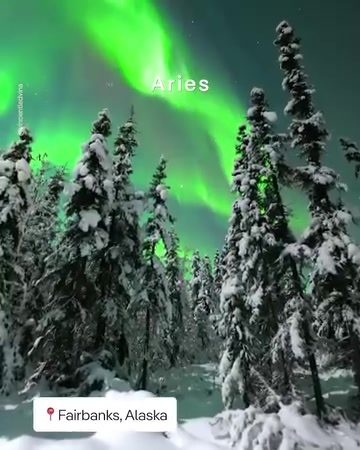
Aurora Borealis in Alaska
Why Fairbanks is the Perfect Destination for Adventurers
Fairbanks, Alaska, is renowned for its breathtaking displays of the Aurora Borealis, or Northern Lights. This natural phenomenon attracts visitors from all over the world, especially during the festive season. For those born under the zodiac sign of Aries, adventure awaits under the vibrant green and white lights dancing across the night sky. This spectacle is best viewed in Fairbanks due to its location under the auroral oval, a ring-shaped region where auroral activity is most frequent.
Why Fairbanks?
Ideal Viewing Conditions
Fairbanks boasts some of the best conditions for viewing the Aurora Borealis. The city's geographic location, high latitude, and clear, dark skies create an ideal setting for witnessing this natural wonder. The best time to view the Northern Lights in Fairbanks is from late August to mid-April when the nights are longest and darkest. During these months, Fairbanks experiences extended periods of darkness, providing ample opportunities to see the dazzling lights.
Stunning Natural Landscape
The visual of the Aurora Borealis over a snow-covered forest in Fairbanks is particularly mesmerizing. Tall, snow-laden evergreen trees contrast sharply with the vibrant lights, creating a surreal and enchanting scene. This contrast enhances the overall experience, making it a must-see for nature enthusiasts and photographers alike.
Fairbanks offers a variety of viewing spots, from urban areas to remote wilderness. Some popular locations include the University of Alaska Fairbanks' Geophysical Institute, the Chena River State Recreation Area and the Chena Hot Springs Resort. Each spot offers a unique perspective and atmosphere, allowing visitors to choose the setting that best suits their preferences.
Practical Tips for Viewing the Aurora Borealis in Fairbanks
Planning Your Trip
Choosing the right time to visit is crucial for a successful Aurora Borealis viewing experience. While the lights can be seen year-round, the best viewing conditions occur during the winter months, from late August to mid-April. During this period, the nights are longer, and the weather is colder, which often means clearer skies.
Guided tours are available to enhance your experience. Local tour operators offer specialized aurora-viewing trips that provide transportation, warm clothing, and expert guidance. These tours often include stops at the best viewing spots and insider tips on how to maximize your chances of seeing the lights. Some tours even offer photographers' workshops. They provide specialized cameras and equipment to capture the perfect shot.
Dressing in layers is essential for staying warm and comfortable during long periods of outdoor exposure. Thermal underwear, insulated jackets, gloves, and warm boots are recommended. It's also a good idea to bring a thermos of hot drinks and high-energy snacks to keep your energy levels up.
Capturing the Moment
Aurora photography can be challenging but rewarding. A sturdy tripod, a camera with manual settings, and a wide-angle lens are essential for capturing the Northern Lights. Long exposure settings are often necessary to capture the movement and color of the lights. It's also helpful to use a remote shutter release or the camera's self-timer to avoid blurring the image.
Important Takeaways
The Best Time to Visit
The optimal time to visit Fairbanks for Aurora viewing is during the winter months, from late August to mid-April. During this period, the nights are longer, and the weather conditions are more favorable for clear skies and vibrant displays of the Northern Lights. Planning your trip around these months will significantly enhance your chances of witnessing this natural wonder.
Best Locations for Viewing
Fairbanks offers a variety of locations for aurora viewing, from urban areas to remote wilderness. Some popular spots include the University of Alaska Fairbanks' Geophysical Institute, the Chena River State Recreation Area, and the Chena Hot Springs Resort. Each location provides a unique perspective and atmosphere, allowing visitors to choose the setting that best suits their preferences.
Practical Tips for a Successful Visit
- Dress in Layers: Fairbanks' winter temperatures can be extremely cold, so dressing in layers is essential for staying warm and comfortable during long periods of outdoor exposure. Thermal underwear, insulated jackets, gloves, and warm boots are recommended.
- Plan Ahead: Choosing the right time to visit and booking guided tours can enhance your experience. Local tour operators offer specialized aurora-viewing trips that provide transportation, warm clothing, and expert guidance.
- Photography Tips: A sturdy tripod, a camera with manual settings, and a wide-angle lens are essential for capturing the Northern Lights. Long exposure settings and a remote shutter release can help capture the movement and color of the lights.
Conclusion
Fairbanks, Alaska, is the ultimate destination for experiencing the awe-inspiring beauty of the Aurora Borealis. The city's ideal viewing conditions, stunning natural landscape, and variety of viewing spots make it a must-visit destination for adventurers and nature enthusiasts. Whether you're a seasoned photographer or a first-time visitor, Fairbanks offers an unforgettable experience that will leave you in awe of nature's grandeur.
Watch the Reel
Questions readers ask
When is the best time to see the Aurora Borealis in Fairbanks?
The best time to view the Aurora Borealis in Fairbanks is from late August to mid-April. The peak viewing months are typically from September to April when the nights are longer and darker, providing optimal conditions for witnessing the vibrant displays.
What makes Fairbanks an ideal location for viewing the Northern Lights?
Fairbanks' high latitude and location under the auroral oval make it an excellent spot for viewing the Northern Lights. The long, dark nights and clear skies during the winter months further enhance the viewing experience, making it easier to observe the colorful lights.
Are there specific activities in Fairbanks for Aries adventurers?
Aries adventurers will find plenty of thrilling activities in Fairbanks, such as dog-sledding, snowmobiling, and ice fishing. These activities complement the Northern Lights viewing experience, offering a mix of adventure and natural beauty.
What is the auroral oval and why is it important for viewing the Northern Lights?
The auroral oval is a ring-shaped region centered around the Earth's magnetic poles where auroral activity is most frequent. Fairbanks is located directly under this oval, providing frequent and spectacular Aurora Borealis displays.
What should I pack for a winter trip to Fairbanks to see the Northern Lights?
For a winter trip to Fairbanks, pack warm clothing, such as thermal layers, insulated jackets, gloves, and hats. Sturdy, waterproof boots are essential for walking on snow and ice. Also, consider bringing a camera with a tripod for capturing the Northern Lights.
Can I see the Aurora Borealis in Fairbanks during the day?
No, the Aurora Borealis is typically not visible during the day in Fairbanks as it requires a dark sky to be seen. The best time to view the Aurora Borealis is at night, during the winter months when the nights are longer and darker.
Are there guided tours available for viewing the Northern Lights in Fairbanks?
Yes, there are numerous guided tours available for viewing the Northern Lights in Fairbanks. These tours often include transportation to the best viewing spots, expert guides, and sometimes additional activities like snowmobile rides or hot chocolate.
Related deep dives
Similar reads based on topic and creator.




Recent articles
Fresh deep dives from the latest Reels we unpacked.




Comments
Be the first to comment.