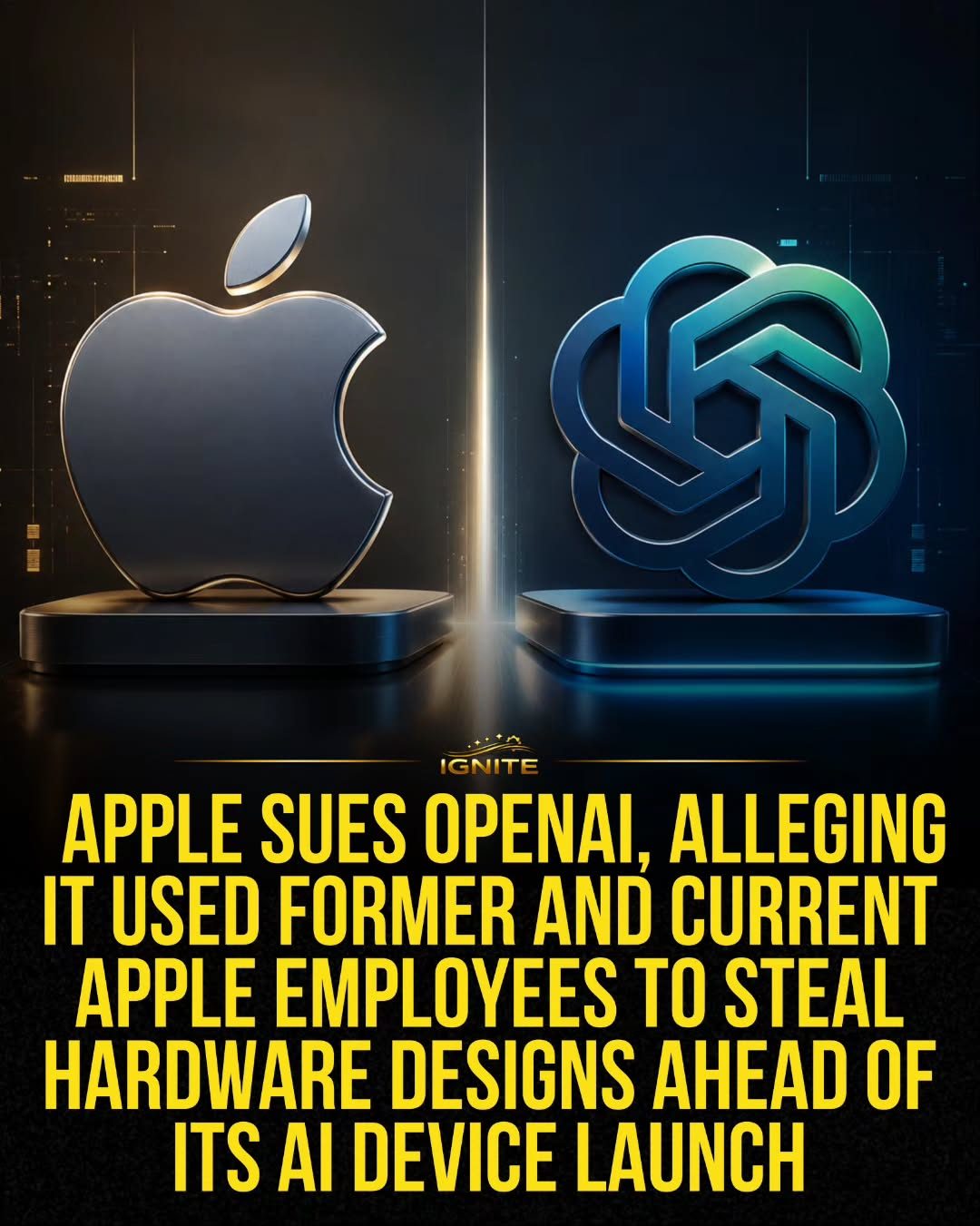
Apple's Legal Battle with OpenAI Over Alleged Hardware Theft
Apple has filed a lawsuit against OpenAI, accusing the AI company of using former and current Apple employees to steal hardware designs. This legal move comes ahead of Apple's anticipated AI device launch, adding a layer of complexity to the rapidly evolving tech industry.
Context / Why this matters
The lawsuit highlights the intense competition and the high stakes involved in the tech industry, particularly in the realm of artificial intelligence and hardware design. As companies race to develop cutting-edge technologies, issues related to intellectual property and employee loyalty are becoming increasingly contentious. This legal battle between Apple and OpenAI serves as a stark reminder of the challenges that arise when innovative ideas and proprietary technologies are at stake.
Main discussion
The Allegations: Apple's Claims Against OpenAI
Apple's lawsuit centers around the allegation that OpenAI has engaged in the unauthorized use of Apple's hardware designs. The tech giant claims that both former and current employees of Apple have been involved in this alleged theft. Such an accusation is serious, as it implicates a breach of trust and potential violations of non-compete agreements and intellectual property rights.
The Role of Current and Former Employees
The involvement of current and former employees in this dispute raises significant concerns about corporate espionage and intellectual property theft. It also underscores the importance of stringent security measures to protect proprietary information. Companies like Apple, which invest heavily in research and development, must ensure that their employees adhere to strict confidentiality agreements to safeguard their intellectual property.
As companies in the tech industry increasingly focus on AI, the need for robust security protocols and stringent employee monitoring has become paramount. This is especially true for companies with upcoming product launches, as they are more vulnerable to leaks and theft of proprietary information.
The Impact on AI Device Launches
Apple's upcoming AI device launch adds another dimension to this legal battle. The timing of the lawsuit suggests that Apple is concerned about the potential impact on their upcoming products. Protecting their hardware designs is crucial, as any leaks or unauthorized use could compromise their competitive advantage in the market. This incident also serves as a cautionary tale for other companies preparing to launch new products, emphasizing the need for proactive measures to safeguard intellectual property.
Practical tips
Protecting Intellectual Property in the Tech Industry
Companies looking to safeguard their intellectual property should consider the following strategies:
- Enforce Non-Disclosure Agreements (NDAs): Ensure that all employees, especially those involved in sensitive projects, sign comprehensive NDAs.
- Implement Robust Security Measures: Utilize advanced security protocols, including encryption and access controls, to protect proprietary information.
- Monitor Employee Activity: Regularly monitor employee activities, especially those with access to sensitive data, to detect any potential breaches or unauthorized access.
- Conduct Background Checks: Perform thorough background checks on employees to ensure they have no history of intellectual property theft or involvement in similar legal disputes.
- Legal Enforcement: Be prepared to take legal action against any individuals or companies found to be involved in unauthorized use of intellectual property.
Preparing for Product Launches
When preparing for a significant product launch, especially in the tech industry, it is crucial to:
- Maintain Strict Confidentiality: Ensure that all aspects of the product development, including design, manufacturing, and marketing, are kept confidential.
- Leverage Secure Communication Channels: Use encrypted communication channels for internal discussions related to the product launch.
- Engage with Legal Experts: Consult with legal experts to draft and enforce agreements that protect the company's intellectual property.
- Regular Audits of Security Measures: Conduct regular audits of security measures to ensure they are up-to-date and effective.
Employee Trust and Loyalty
Building and maintaining trust and loyalty among employees is essential. Companies should:
- Foster a Positive Work Environment: Create a positive work environment where employees feel valued and respected.
- Offer Competitive Compensation and Benefits: Ensure that employees are fairly compensated for their work, which can reduce the temptation to seek opportunities elsewhere.
- Provide Growth Opportunities: Offer opportunities for career growth and development, which can enhance employee loyalty and reduce the likelihood of them seeking employment with competitors.
Important takeaways
- The lawsuit between Apple and OpenAI underscores the intense competition and high stakes in the tech industry, particularly in AI and hardware design.
- Protecting intellectual property is crucial for companies, especially those preparing for significant product launches.
- Robust security measures, stringent employee monitoring, and proactive legal action are essential to safeguard proprietary information.
- Building a positive work environment and offering competitive compensation can enhance employee loyalty and reduce the risk of intellectual property theft.
- The tech industry must adapt to the evolving landscape of AI and hardware design, ensuring that innovative ideas and proprietary technologies are protected.
Conclusion
As the tech industry continues to evolve, the legal battle between Apple and OpenAI serves as a reminder of the challenges and complexities involved in protecting intellectual property. Companies must remain vigilant and proactive in safeguarding their proprietary information, especially as they prepare for significant product launches. By implementing robust security measures, enforcing strict confidentiality agreements, and fostering a positive work environment, companies can mitigate the risks associated with intellectual property theft and ensure their competitive edge in the market.
Watch the Reel
Questions readers ask
What is the main allegation in Apple's lawsuit against OpenAI?
Apple accuses OpenAI of stealing hardware designs through the involvement of current and former Apple employees. The lawsuit specifically highlights the misuse of proprietary information and trade secrets.
Why is this lawsuit significant in the context of the tech industry?
This legal battle underscores the intense competition and high stakes in the tech industry, particularly in the areas of artificial intelligence and hardware design.
How does this lawsuit impact Apple's anticipated AI device launch?
The lawsuit adds a layer of complexity to Apple's plans, as it may delay or complicate the development and launch of new AI devices. Apple is likely to want to ensure that its intellectual property is protected and that any potential leaks do not compromise the success of its new products.
What are the potential consequences for OpenAI if the allegations are proven true?
If OpenAI is found guilty of hardware design theft, it could face significant legal and financial penalties. Additionally, the company's reputation in the industry could be severely damaged.
What does this lawsuit reveal about the challenges in the tech industry?
This lawsuit highlights the contentious issues surrounding intellectual property and employee loyalty. As companies rush to develop and launch innovative technologies, protecting proprietary information becomes increasingly challenging.
Who are the key players involved in this legal dispute?
The key players in this dispute are Apple and OpenAI. The lawsuit involves current and former Apple employees who are accused of facilitating the theft of hardware designs for OpenAI's benefit.
What steps can companies take to protect their intellectual property in the tech industry?
Companies can take several steps to protect their intellectual property, including implementing strict security protocols, conducting thorough background checks on employees, and enforcing non-disclosure agreements. Regular audits and monitoring of employee activities can also help mitigate the risk of intellectual property theft.
Related deep dives
Similar reads based on topic and creator.




Recent articles
Fresh deep dives from the latest Reels we unpacked.




Comments
Be the first to comment.