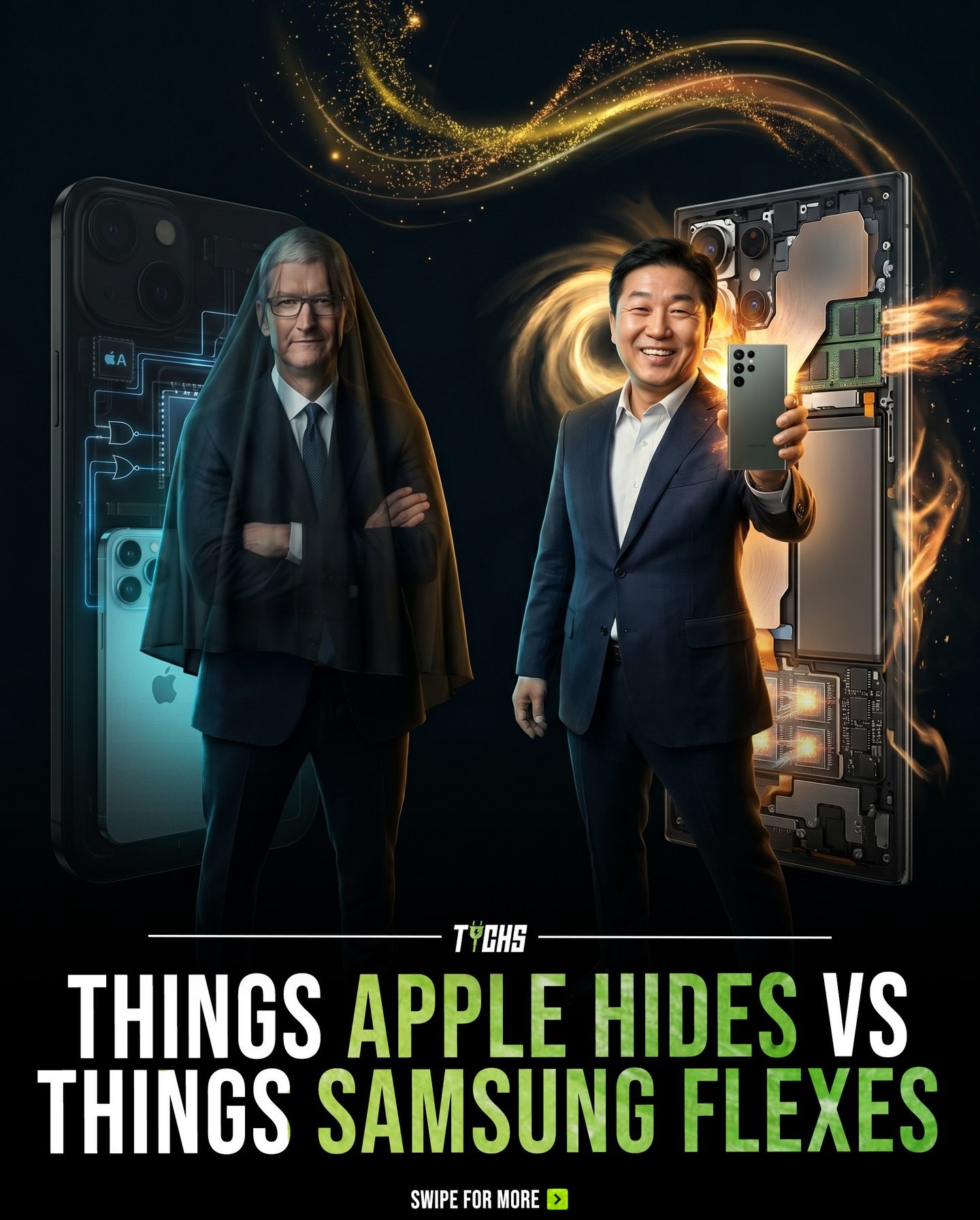
Smartphones are essential for millions of people, and when comparing devices, two names often rise to the top: Apple and Samsung. Both brands have distinct approaches to building and marketing their smartphones, which significantly influences how users perceive performance and innovation.
Why this Matters
The approaches of Apple and Samsung shape user expectations and satisfaction. Understanding these differences helps consumers make informed decisions based on their preferences for either a seamless experience or detailed specifications.
Processor Choices
Apple and Samsung adopt divergent strategies when it comes to processors. Apple prioritizes user experience, simplifying chip specifications while focusing on performance and efficiency. This approach often involves custom-designed chips optimized for their ecosystem, such as the A19 Pro. Apple's emphasis is on making the device run smoothly and efficiently, even if the raw specifications might not be as impressive on paper.
In contrast, Samsung highlights technical specifications such as the number of cores, GHz, and benchmark scores. Samsung devices often use Snapdragon 8 processors, which are known for their raw power and performance in benchmarks. Samsung's approach is more about showcasing the raw power and flexibility of their hardware, appealing to users who value detailed specifications and high performance.
Ecosystem and Integration
Ecosystems play a crucial role in smartphone experiences. Apple builds a closed ecosystem designed for seamless integration across all their devices. This means that Apple users can expect a consistent and polished experience whether they are using an iPhone, iPad, or Mac. The tight integration allows for features like AirDrop, Handoff, and iCloud to work flawlessly, enhancing the overall user experience.
Samsung, on the other hand, keeps its ecosystem open, offering more flexibility across devices. Samsung devices run on Android, which allows for deep customization. Users can personalize their devices extensively, choosing from a wide range of apps, widgets, and launchers. Samsung’s open ecosystem is particularly appealing to users who want more control over their devices and prefer a more customizable experience.
Design and Innovation
Apple's design philosophy revolves around refinement and consistency. They focus on creating sleek, minimalist designs that offer a premium feel. Apple’s attention to detail and craftsmanship is evident in their devices, which often feature high-quality materials and precise engineering. This approach ensures a consistent and luxurious experience for users.
Samsung, however, experiments with new form factors and designs. They frequently introduce innovative features like foldable screens and advanced camera systems. Samsung’s approach to design is more about pushing the boundaries of what is possible, offering users a wide range of options to suit different preferences and needs.
Practical Tips
When choosing between Apple and Samsung, consider the following practical tips:
- Evaluate Your Priorities: Determine what matters most to you—seamless integration and a consistent experience or flexibility and customization.
- Consider Your Ecosystem: If you already own other devices from one brand, it might be more convenient to stick with the same ecosystem for a smoother experience.
- Check Specifications: If raw power and detailed specifications are important to you, Samsung might be the better choice. If you prioritize a smooth and efficient experience, Apple's devices are likely more suitable.
- Assess Design Preferences: Think about the design elements that appeal to you. Apple’s minimalist and consistent designs versus Samsung’s innovative and experimental approaches.
Important Takeaways
- Apple focuses on a seamless experience and ecosystem integration, often hiding raw specifications.
- Samsung emphasizes detailed specifications, power, and flexibility, appealing to users who value customization and innovation.
- Both brands have their unique strengths, and the best choice depends on individual preferences and needs.
- Evaluate your priorities and ecosystem preferences before making a decision.
Conclusion
Choosing between Apple and Samsung smartphones involves considering various factors, from processor choices and ecosystem integration to design and innovation. Both brands have unique strengths, and understanding these differences can help you make an informed decision.
Whether you prioritize a seamless, integrated experience or the flexibility and power of customizable specs, both Apple and Samsung offer compelling options.
Watch the Reel
Questions readers ask
What are the key differences between Apple and Samsung smartphones?
Apple smartphones are known for their seamless integration and user-friendliness, offering a consistent experience across all devices. In contrast, Samsung smartphones prioritize raw power and customization, allowing users to tailor their devices to a greater extent.
How do Apple and Samsung differ in their approach to processors?
Apple simplifies chip specifications to focus on performance and efficiency, often using custom-designed chips like the A-series and M-series. Samsung, on the other hand, uses a variety of processors, including their own Exynos chips and Qualcomm's Snapdragon, providing more flexibility in terms of specifications and performance.
Which brand offers better customization options?
Samsung offers greater customization flexibility. Users can modify settings, themes, and even install custom launching apps, custom fonts, and many third-party apps that are not available in the Apple ecosystem. Apple’s closed ecosystem, while secure, offers limited customization options.
How do the screen technologies of Apple and Samsung compare?
Apple uses its proprietary Retina display technology, known for vibrant colors and high brightness, but often with a fixed refresh rate. Samsung, however, offers a variety of screen technologies, including dynamic AMOLED displays with adjustable refresh rates, providing users with more choice and flexibility.
Which brand is better for users who prioritize app availability and compatibility?
Apple's iPhone ecosystem is renowned for its robust app store with a curated selection of high-quality apps. Apple ensures a consistent performance and experience across all devices. However, Samsung also has a vast app library, offering a wide range of options through the Google Play Store and its own Galaxy Store.
Why does the choice between Apple and Samsung matter for users?
The choice between Apple and Samsung significantly impacts user satisfaction. Users who value a seamless, integrated experience will likely prefer Apple, while those who prioritize customization, high-end specifications, and flexibility will likely opt for Samsung.
How do Apple and Samsung smartphones differ in terms of technology and innovation?
Apple's approach to technology and innovation is focused on a closed ecosystem, which ensures a high level of security and seamless integration. Samsung, however, embraces a more open approach, integrating a wider range of technologies and offering more customization options. This means Samsung often leads in certain hardware features, like camera technology and display quality.
Related deep dives
Similar reads based on topic and creator.




Recent articles
Fresh deep dives from the latest Reels we unpacked.




Comments
Be the first to comment.