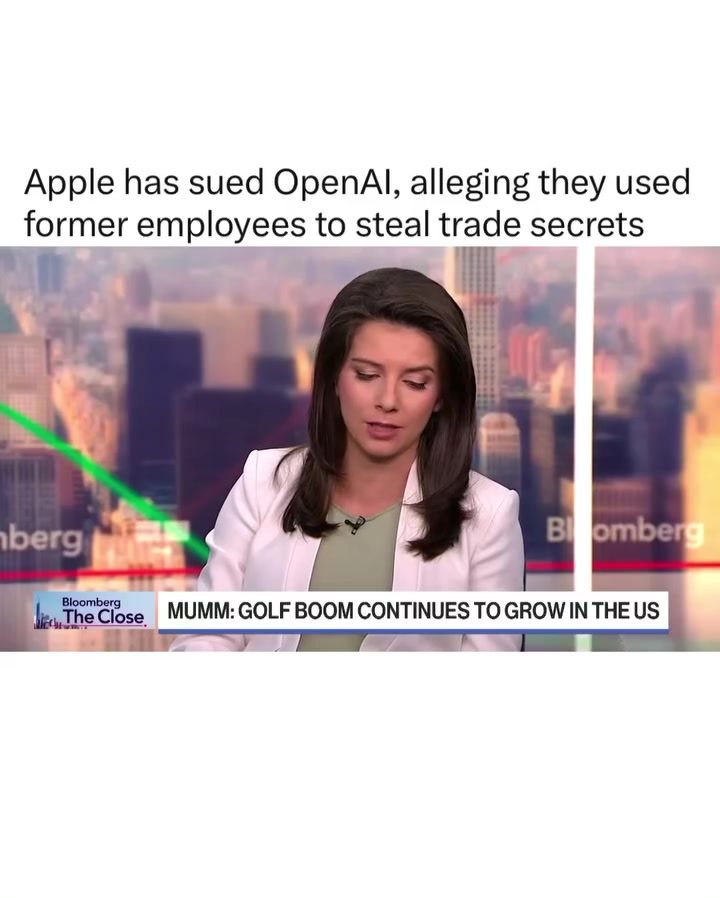
Apple vs. OpenAI: The Lawsuit and Its Implications
Apple's legal action against OpenAI has thrown the tech industry into a state of turmoil. The tech giant has accused OpenAI of orchestrating a coordinated campaign to steal trade secrets, which involved encouraging employees to share confidential information. This bold move by Apple has significant ramifications for both companies and the broader tech landscape.
Context / Why This Matters
The lawsuit centers around allegations that OpenAI, a leading AI company, engaged in a systematic effort to acquire sensitive information about Apple's upcoming products. This includes details on components, drawings, and other materials related to future hardware releases. The stakes are high, as Apple is known for its tight-lipped approach to product development, and any breach of this secrecy could have far-reaching consequences.
For OpenAI, which has been quietly working on revolutionary AI-powered hardware that aims to rival Apple's products, this legal battle poses a serious threat to its ambitions. If the allegations are proven, OpenAI could face significant legal penalties and damage to its reputation. The case also raises questions about the ethics of competition in the tech industry and the lengths to which companies will go to gain an edge.
Main Discussion
The Allegations
Apple's lawsuit against OpenAI is grounded in the allegation that OpenAI encouraged its employees to share confidential information. This alleged campaign targeted details about Apple's forthcoming products. The specifics include components, drawings, and other materials essential for developing new devices. Apple claims that this coordinated effort was aimed at developing OpenAI’s own suite of devices, putting its competitive advantage at risk.
Legal Implications
The legal landscape for trade secret theft is complex and far-reaching. Trade secrets are protected under various legal frameworks, including the Uniform Trade Secrets Act (UTSA) in many U.S. states and the Defend Trade Secrets Act (DTSA) at the federal level. These laws provide remedies for companies whose trade secrets are misappropriated, including injunctions, damages, and even punitive damages in some cases. If the court finds in favor of Apple, OpenAI could face severe financial and legal consequences.
Industry Impact
The lawsuit highlights the intense competition in the tech industry and the lengths to which companies will go to secure an advantage. It also underscores the importance of protecting intellectual property and trade secrets. For companies like Apple, which rely heavily on innovation and secrecy, the threat of trade secret theft is a constant concern. This case serves as a cautionary tale for other tech giants, emphasizing the need for robust security measures and vigilant protection of proprietary information.
Competitive Landscape
The tech industry is known for its fierce competition, and the rivalry between Apple and OpenAI is just one example. With the advent of AI-powered hardware, the playing field is becoming even more crowded. Companies are investing heavily in research and development to stay ahead of the curve. This lawsuit adds another layer of complexity to an already competitive landscape, as it will likely prompt other players to reassess their strategies and security protocols.
Practical Tips
For companies looking to protect their trade secrets, several practical steps can be taken:
- Employee Training: Regularly train employees on the importance of trade secrets and the legal consequences of misappropriation. This includes clear guidelines on what constitutes confidential information and the appropriate handling of such data.
- Security Protocols: Implement robust security measures to protect sensitive information. This can include encryption, access controls, and regular audits to ensure compliance with security protocols.
- Legal Agreements: Use non-disclosure agreements (NDAs) and other legal contracts to protect trade secrets. Ensure that these agreements are enforceable and cover all relevant aspects of confidential information.
- Monitoring and Enforcement: Continuously monitor for potential breaches and take swift action to enforce legal protections. This can involve legal action, as seen in the Apple vs. OpenAI case, as well as internal investigations and disciplinary measures.
Important Takeaways
- Trade Secret Protection: The lawsuit underscores the critical importance of protecting trade secrets in a highly competitive industry.
- Legal Consequences: The legal ramifications of trade secret theft can be severe, including significant financial penalties and reputational damage.
- Employee Role: Employees play a crucial role in the protection of trade secrets, and companies must ensure they are well-trained and aware of the risks.
- Industry Competition: The tech industry is highly competitive, and companies must be vigilant in protecting their intellectual property to stay ahead.
Conclusion
The legal battle between Apple and OpenAI is a stark reminder of the high stakes in the tech industry. As companies continue to innovate and develop new technologies, the protection of trade secrets becomes increasingly important. This lawsuit serves as a cautionary tale for both companies and employees, highlighting the need for robust security measures and vigilant enforcement. The outcome of this case will have significant implications for the future of AI-powered hardware and the broader tech landscape. As the industry evolves, it will be essential for companies to remain proactive in safeguarding their competitive advantages and ensuring that innovation continues to thrive.
Watch the Reel
Questions readers ask
What specific information is Apple alleging that OpenAI attempted to steal?
Apple claims that OpenAI targeted trade secrets related to upcoming Apple products, including details on components, drawings, and other materials for future hardware releases.
How does Apple believe OpenAI carried out this alleged theft?
According to Apple's lawsuit, OpenAI orchestrated a coordinated campaign encouraging Apple employees to share confidential information, which is a breach of Apple's confidentiality policies.
What are the potential implications of this lawsuit for the tech industry?
The lawsuit raises significant questions about the ethics of competition in the tech industry and sets a precedent for how companies should handle trade secrets and employee confidentiality, it could potentially change how tech companies approach competition and collaboration.
How has the tech industry responded to the Apple vs OpenAI legal battle?
The lawsuit has sparked a state of turmoil in the tech industry, with many companies closely monitoring the developments, as it could impact how they handle competition and trade secrets in the future.
What role do former Apple employees play in this legal battle?
Apple accuses OpenAI of encouraging former employees to share confidential information, which is a key part of the lawsuit and highlights the importance of enforcing confidentiality agreements.
What are the potential consequences for OpenAI if the allegations are proven true?
If OpenAI is found guilty, the company may face significant legal penalties, damage to its reputation, and potential restrictions on its operations, as well as a loss of trust from partners and investors.
Related deep dives
Similar reads based on topic and creator.




Recent articles
Fresh deep dives from the latest Reels we unpacked.




Comments
Be the first to comment.