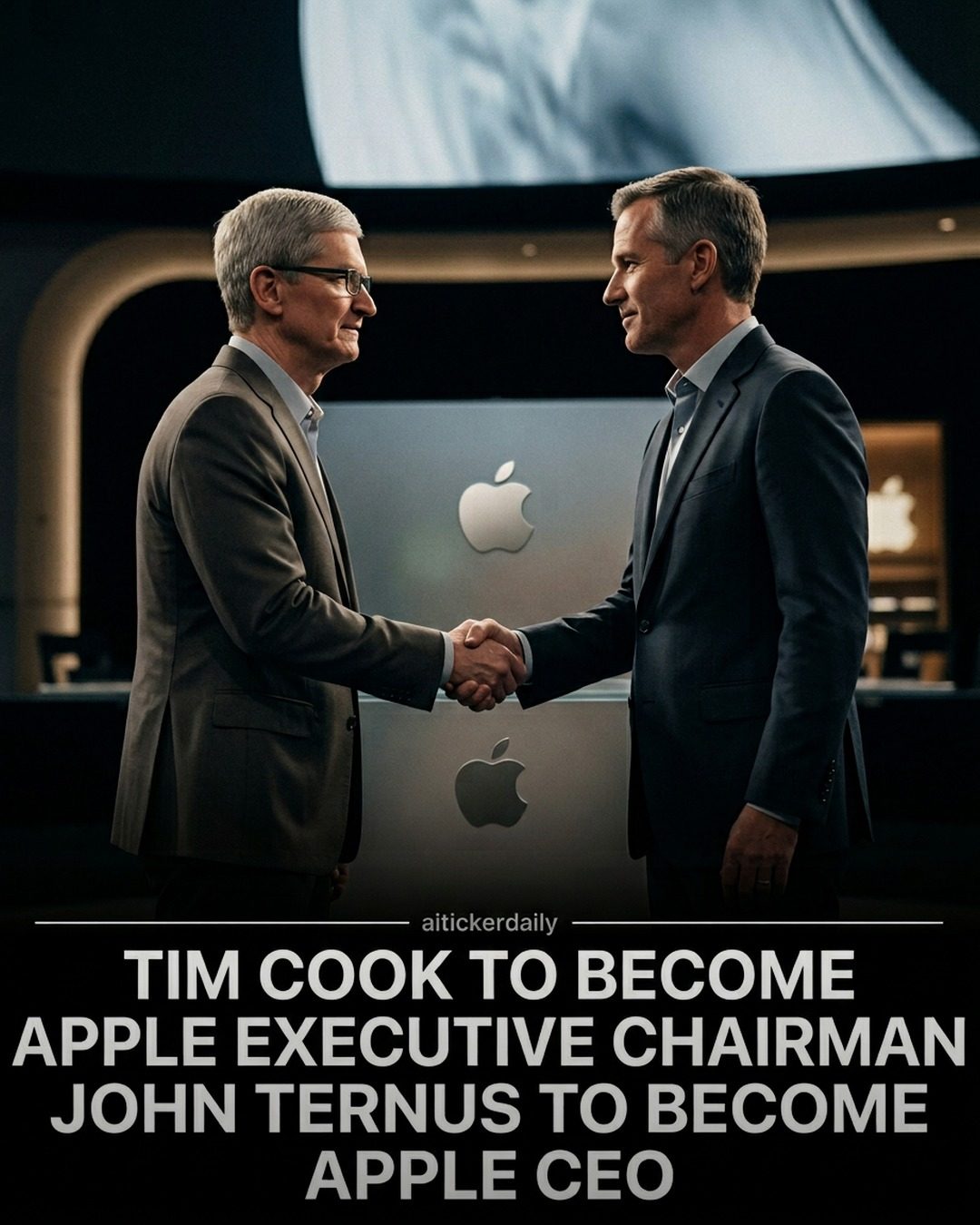
Apple Executive Leadership Transition: What It Means for the Tech Giant
Apple's recent announcement of its executive leadership transition has sparked significant interest and discussion. The tech giant has set a clear path for the future, with John Ternus taking over as CEO on September 1, 2026, and Tim Cook moving to the role of Executive Chairman of the Board. This transition is unprecedented for a company known for its discretion in leadership changes, especially as Apple continues to push AI across its devices and services.
Why This Matters
Apple's leadership transition is significant for several reasons. The change in executive roles will impact the company’s strategies in hardware execution, AI development, and its approach to platforms and markets. This transition is not just about changing titles but also about reshaping Apple's strategic direction and operational rhythm.
For shareholders, enterprise buyers, and technology enthusiasts, this transition signals a shift in how Apple will navigate the rapidly evolving tech landscape. Understanding the implications of this change can provide valuable insights into the company's future strategies and market positioning.
The Transition and Its Implications
John Ternus: The New CEO
John Ternus, who will become Apple's CEO on September 1, 2026, brings a wealth of experience in hardware development. His leadership in this area has been pivotal in Apple's product innovations. As the new CEO, Ternus' focus will likely be on maintaining Apple's hardware excellence while integrating AI more deeply into its products.
Ternus' appointment as CEO is a testament to Apple's commitment to continued innovation in hardware. His expertise in this area will be crucial as Apple continues to push the boundaries of technology. This transition is part of a broader strategy to ensure that Apple remains at the forefront of technological advancements, particularly in AI.
Tim Cook: The New Role
Tim Cook, who will move to the role of Executive Chairman of the Board, has been a pivotal figure in Apple's recent successes. His leadership has been instrumental in driving Apple's growth and market dominance. As Executive Chairman, Cook will continue to provide strategic guidance and oversight, ensuring that the company's vision remains aligned with its operational strategies.
Cok's new role allows him to focus more on long-term strategic decisions while Ternus takes on the day-to-day operational responsibilities. This separation of roles can lead to a more balanced and effective leadership structure, allowing Apple to maintain its innovative edge while adapting to new market challenges.
Impact on Apple's Strategies
Hardware Execution
Apple's hardware execution has always been a cornerstone of its success. With Ternus at the helm, the company is poised to continue this tradition. Ternus' hardware expertise will ensure that Apple's products remain cutting-edge, innovative, and reliable. This focus on hardware excellence will be crucial in maintaining Apple's competitive advantage in the tech market.
AI Development
AI is rapidly becoming a key differentiator in the tech industry. Apple's push to integrate AI across its devices and services is a significant strategic move. With Ternus leading the company, Apple will likely accelerate its AI development efforts. This focus on AI will enhance the user experience, making Apple's products more intuitive and capable.
Platforms and Markets
The transition also impacts how aggressively Apple bets on new platforms and markets. Ternus' leadership will bring a hardware-seasoned perspective to the table, which can drive more aggressive and innovative strategies in new markets. This approach can help Apple expand its market reach and solidify its position as a global tech leader.
Practical Tips
For investors and enterprise buyers considering Apple as a strategic partner, the leadership transition offers several key takeaways. Understanding these points can help in making informed decisions:
- Stay Informed: Keep an eye on Apple's strategic moves and product announcements. The leadership transition signals a renewed focus on innovation and market expansion, which can create new opportunities for investors and partners.
- Engage with Leadership: Engage with Apple's leadership to understand their vision and strategies. This engagement can provide valuable insights into how the company plans to navigate the rapidly evolving tech landscape.
- Leverage AI Innovations: Apple's push to integrate AI across its devices and services presents new opportunities for innovation. Stay updated on Apple's AI developments and consider how they can enhance your business strategies.
Important Takeaways
The leadership transition at Apple is a strategic move that will have far-reaching implications for the company and its stakeholders. Some key takeaways include:
- Future Focus: The transition signals a future focus on hardware excellence and AI integration. This focus will drive innovation and maintain Apple's competitive edge in the tech market.
- Balanced Leadership: The separation of roles between Ternus and Cook allows for a more balanced and effective leadership structure. This structure can enhance strategic decision-making and operational execution.
- Market Expansion: The leadership transition is part of a broader strategy to expand Apple's market reach and solidify its position as a global tech leader. This strategy will drive growth and innovation in new markets.
Conclusion
Apple's leadership transition is a significant development that will shape the company's future strategies and market positioning. With John Ternus taking the reins as CEO and Tim Cook moving to the role of Executive Chairman, Apple is poised to continue its journey of innovation and market leadership. For those invested in the tech industry, understanding the implications of this transition can provide valuable insights and opportunities.
Watch the Reel
Questions readers ask
Why is John Ternus replacing Tim Cook as CEO of Apple?
The transition is part of Apple's strategic plan to focus more on hardware innovation and AI integration. John Ternus, who has been instrumental in Apple's hardware development, will bring a fresh perspective to the role, while Tim Cook will remain involved as Executive Chairman of the Board.
What does Tim Cook's role as Executive Chairman involve?
As Executive Chairman, Tim Cook will continue to guide the company's strategic direction and maintain his influence on Apple's overall vision. He will work closely with John Ternus to ensure a smooth transition and continued success.
How will the transition affect Apple's hardware development?
With John Ternus at the helm, there is an expectation for a strong focus on hardware innovation. Ternus' extensive experience in hardware development is likely to drive new advancements and improvements in Apple's product line.
What implications does this leadership change have for Apple's AI integration?
The transition is expected to accelerate AI integration across Apple devices and services. Ternus and Cook will work together on AI initiatives, focusing on enhancing user experiences.
How might this change impact Apple's shareholders?
The leadership transition could lead to shifts in Apple’s strategic direction, particularly in hardware and AI. Shareholders should pay close attention to how these changes impact the company’s future products and market strategies.
What should Apple buyers and tech enthusiasts expect from this leadership change?
Buyers and tech enthusiasts can anticipate more innovative hardware products and enhanced AI features in Apple's ecosystem. The new leadership will drive forward-thinking advancements in both hardware and software, fostering an exciting future for Apple users.
When will John Ternus officially take over as CEO?
John Ternus will assume the role of CEO on September 1, 2026. This timeline allows for a structured transition period, ensuring stability and continuity in Apple's operations during the change.
Related deep dives
Similar reads based on topic and creator.




Recent articles
Fresh deep dives from the latest Reels we unpacked.




Comments
Be the first to comment.