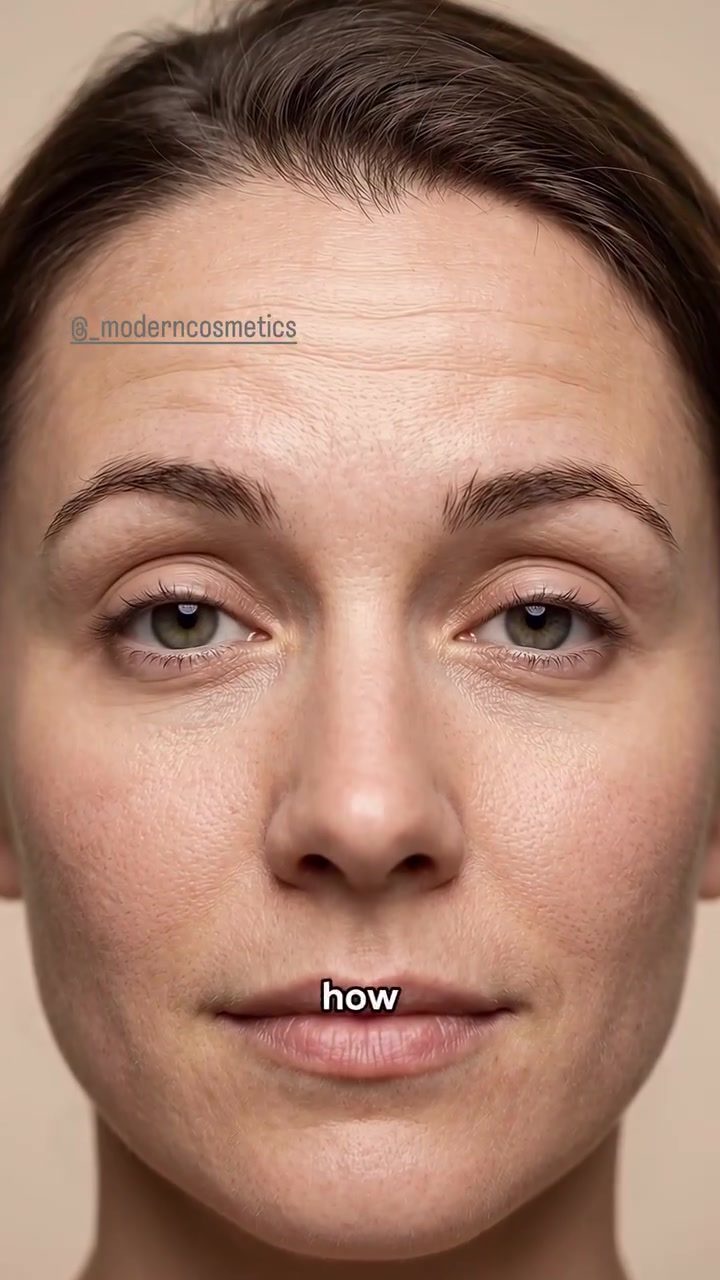
Anti-Wrinkle Treatments
Anti-wrinkle treatments have become increasingly popular in the beauty industry. Understanding how these treatments work and what they can achieve is essential for anyone considering them. Anti-wrinkle treatments work by targeting the underlying cause of expression lines, which is the repeated movement of facial muscles.
Why This Matters
Highly effective for certain types of wrinkles, anti-wrinkle treatments can significantly improve the skin's appearance. Understanding the science behind these treatments helps in setting realistic expectations and making informed decisions.
Main Discussion
Understanding Facial Muscles
Every facial expression begins with a signal from a nerve to a muscle. This signal instructs the muscle to contract, allowing us to smile, frown, raise our eyebrows, and express a range of emotions. These muscle movements are essential for communication and expression, but over time, they can contribute to the development of lines and wrinkles.
How Anti-Wrinkle Treatments Work
Anti-wrinkle treatments work by temporarily reducing the communication between the nerve and specific muscles. This reduction in communication means the muscle contracts less. As a result, the skin folds less during facial expressions, which can help soften the appearance of certain dynamic lines.
One common misconception about anti-wrinkle treatments is that they fill wrinkles. In reality, their primary effect is to reduce the repeated muscle movement that contributes to the formation of expression lines. By reducing muscle movement, these treatments can help minimize the appearance of lines over time.
The Role of Facial Movements
Facial movements are a natural part of life, but they can also contribute to the formation of wrinkles. Over time, repeated muscle contractions can lead to the development of expression lines. Anti-wrinkle treatments aim to reduce these contractions, effectively minimizing the development of new lines and potentially smoothing existing ones.
Personalized Cosmetic Consultations
Understanding how facial muscles work is the foundation of a personalized cosmetic consultation. Every face moves differently, and a qualified professional can assess individual muscle movements and recommend the most suitable treatments. This personalized approach ensures that the treatment is tailored to the unique needs and characteristics of each person's face.
Practical Tips
Research and Consultation
Before undergoing any anti-wrinkle treatment, it's crucial to do thorough research and consult with a qualified health practitioner. This consultation will help determine the suitability of the treatment, the expected outcomes, and the potential risks involved.
Setting Realistic Expectations
It’s important to have realistic expectations about the results of anti-wrinkle treatments. While they can significantly improve the appearance of certain lines, they do not fill wrinkles or erase them completely. They work by reducing muscle movement, which can lead to a smoother, more youthful appearance over time.
Aftercare and Maintenance
Following the treatment, it’s essential to follow the aftercare instructions provided by the practitioner. This may include avoiding certain activities, applying specific skincare products, and attending follow-up appointments. Proper aftercare and maintenance can help ensure the best possible results from the treatment.
Important Takeaways
Anti-wrinkle treatments are effective in reducing the appearance of dynamic lines by minimizing muscle contractions. They do not fill wrinkles but work by reducing the repeated muscle movements that contribute to their formation. Personalized consultations are crucial for achieving the best results, as every face moves differently. It’s important to have realistic expectations and follow proper aftercare instructions to maximize the benefits of these treatments.
Conclusion
Anti-wrinkle treatments offer a valuable solution for those looking to improve the appearance of expression lines. By understanding how these treatments work and what they can achieve, individuals can make informed decisions about their skincare and cosmetic needs. Always consult with a qualified professional to determine the best course of action for your unique situation.
Watch the Reel
Questions readers ask
How do anti-wrinkle treatments reduce the appearance of expression lines?
Anti-wrinkle treatments work by temporarily blocking the signals from nerves to muscles, which reduces the contraction of facial muscles. This decrease in muscle movement helps to minimize the appearance of expression lines, such as crow's feet or frown lines. By targeting the root cause of dynamic wrinkles, these treatments can smooth out the skin and provide a more youthful appearance.
What are dynamic wrinkles and how do anti-wrinkle treatments address them?
Dynamic wrinkles are lines that form due to repeated facial muscle movement, such as smiling, frowning, or squinting. Anti-wrinkle treatments specifically target these types of wrinkles by temporarily relaxing the muscles responsible for these movements. This reduction in muscle activity helps to soften the appearance of dynamic wrinkles and prevent them from becoming permanent over time.
What are the most common types of anti-wrinkle injections used for facial wrinkle reduction?
The most common type of anti-wrinkle injection is one that uses a purified form of botulinum toxin. This substance is widely recognized for its effectiveness in temporarily paralyzing the targeted muscles by blocking nerve signals. Other types of muscle relaxing treatments and anti-wrinkle treatments may include injectables like dermal fillers, but they work differently by adding volume to the skin rather than targeting muscle contraction.
How long do the effects of anti-wrinkle treatments typically last?
The duration of anti-wrinkle treatment effects can vary, but generally, the results last between 3 to 6 months. This timeframe can differ depending on individual factors, such as the specific type of treatment, dosage, and the patient's metabolism. Regular follow-up treatments are recommended to maintain the desired effects and continue to reduce the appearance of wrinkles.
What precautions should be taken before and after receiving anti-wrinkle treatments?
Before receiving anti-wrinkle treatments, it is important to consult with a qualified professional to discuss medical history and any medications being taken. After the treatment, patients should avoid rubbing or massaging the treated area, lying down for at least 4 hours, and engaging in strenuous physical activity for the first 24 hours. Additionally, patients should contact the practitioner if any adverse effects such as swelling, bruising, or asymmetry are experienced.
Can anti-wrinkle treatments be combined with other anti-aging treatments for better results?
Yes, anti-wrinkle treatments can be combined with other modern cosmetic treatments to enhance overall results. For example, they can be used in conjunction with dermal fillers to address both dynamic wrinkles and volume loss. Other complementary treatments include chemical peels, microdermabrasion, and laser therapies, which can help improve skin texture and tone. Combining treatments should be discussed with a professional to ensure a safe and effective plan.
How soon can I expect to see results after receiving anti-wrinkle treatments?
The onset of results from anti-wrinkle treatments typically begins within 3 to 7 days after the procedure. However, it can take up to two weeks for the full effects to be visible. The exact timeline can vary depending on the individual's response to the treatment and the specific area being treated. Patients should be patient and allow the treatment time to take full effect before evaluating the results.
Recent articles
Fresh deep dives from the latest Reels we unpacked.




Comments
Be the first to comment.