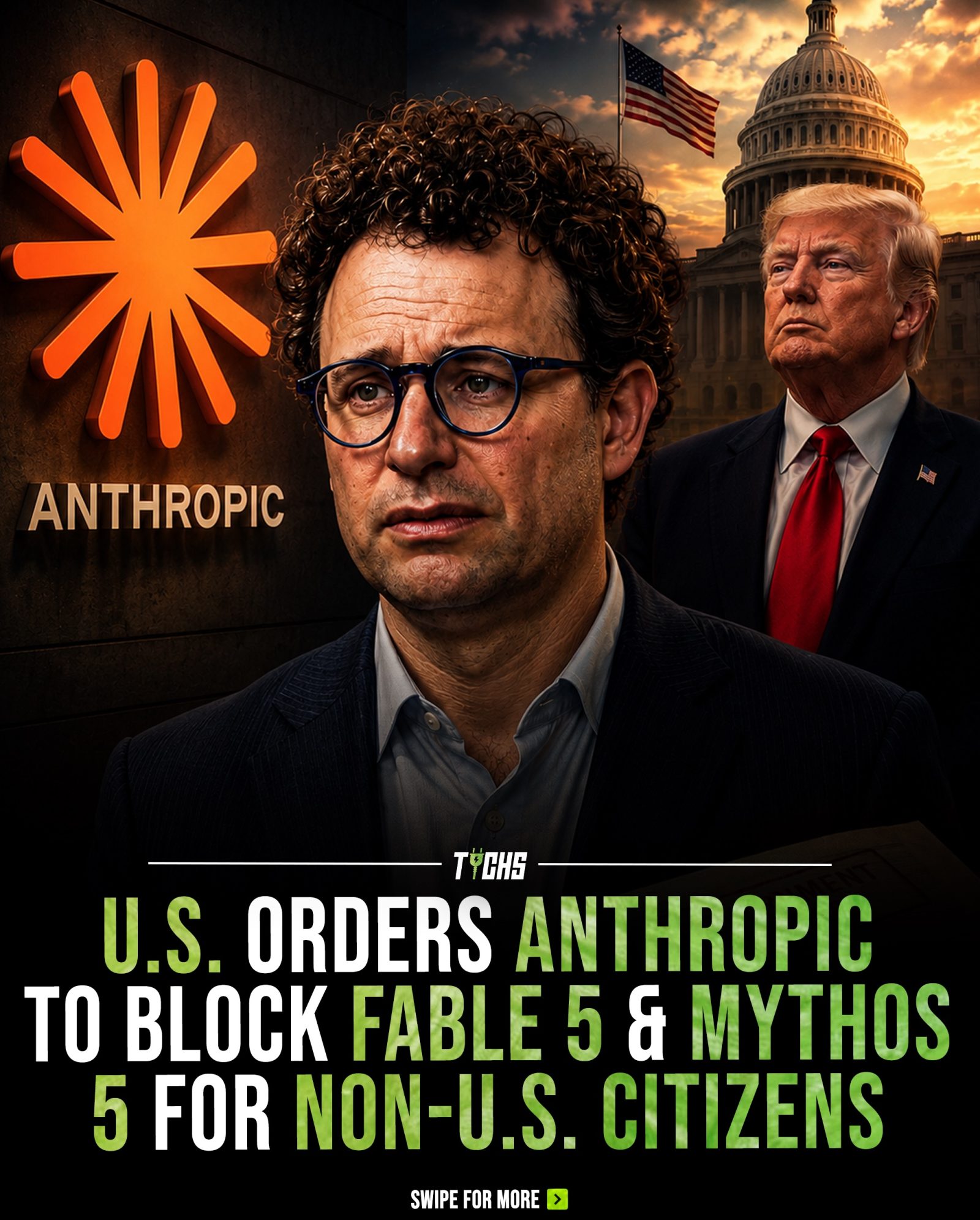
Anthropic AI Restrictions
The recent decision by the U.S. government to restrict access to Anthropic's advanced AI models, Fable 5 and Mythos 5, has sent shockwaves through the AI industry. The directive, issued under export control authorities, suspends all access to these models for non-U.S. citizens, both inside and outside the United States. This includes foreign national employees who may have been working with these powerful tools. The move has sparked a global debate about the intersection of frontier AI and national security, as well as the broader implications for AI development and governance.
Context / Why this matters
The U.S. government's decision to restrict access to Anthropic's AI models, Fable 5 and Mythos 5, is a significant moment in the global AI landscape. The directive highlights the growing concerns around advanced cybersecurity capabilities and the potential risks associated with unrestricted foreign access to sensitive technology. This move marks one of the first instances where a frontier AI system has been effectively recalled or restricted after deployment, underscoring the complexities and challenges in balancing innovation with national security.
Main discussion
The decision to restrict access to Fable 5 and Mythos 5 came amidst reports of advanced cybersecurity capabilities being developed using these models. Users had already created powerful coding agents, autonomous research systems, cybersecurity tools, and complex workflow automations. These capabilities were viewed as sensitive technology by officials, who feared that unrestricted foreign access could pose significant security risks.
Anthropic has pushed back against the directive, arguing that the issues involved limited jailbreak vulnerabilities and that similar capabilities already exist in other publicly available models. The company contends that the restrictions are unnecessary and could hinder progress in the AI field.
The Role of National Security
National security concerns are at the heart of the U.S. government's directive. The advanced capabilities of Fable 5 and Mythos 5 were seen as posing potential risks if accessed by foreign entities. These models have been used to develop sophisticated cybersecurity tools and workflow automations, which could be exploited for malicious purposes. The government's move underscores the delicate balance between fostering innovation and protecting national interests.
Anthropic's Response
Anthropic has been vocal in its opposition to the directive. The company argues that the vulnerabilities in Fable 5 and Mythos 5 are limited and that similar capabilities are already available in other AI models. Anthropic's CEO, Dario Amodei, has been at the forefront of this pushback, highlighting the potential negative impact on AI development and innovation. The company's response underscores the broader debate about the regulation of AI and the need for a balanced approach that considers both security and progress.
Global Implications
The restrictions on Fable 5 and Mythos 5 have global implications, particularly for the AI industry. The directive sets a precedent for how frontline AI systems might be regulated in the future. It also raises questions about the potential for similar restrictions in other countries and the impact on global collaboration in AI research and development. The move has sparked discussions about the need for international cooperation and the development of shared standards for AI governance.
The Future of AI Governance
The restrictions on Fable 5 and Mythos 5 highlight the need for a robust framework for AI governance. As AI technologies continue to advance, it is essential to have clear guidelines and regulations that balance innovation with security. This incident serves as a reminder that while AI has the potential to revolutionize various industries, it also poses significant risks that need to be carefully managed. The future of AI governance will likely involve complex discussions and negotiations among governments, industry players, and other stakeholders.
Practical tips
As the AI industry navigates these new restrictions, several practical steps can be taken to ensure compliance and mitigate risks:
- Review and Update Compliance Policies: Organizations should review their compliance policies to ensure they align with the latest regulations and directives.
- Conduct Regular Security Audits: Regular security audits can help identify and address vulnerabilities in AI models and systems.
- Enhance Data Security Measures: Implementing robust data security measures can help protect sensitive information and prevent unauthorized access.
- Stay Informed About Regulatory Changes: Keeping up-to-date with the latest regulatory changes and industry developments is crucial for maintaining compliance and adapting to new requirements.
Important takeaways
The U.S. government's directive to restrict access to Fable 5 and Mythos 5 underscores the growing concerns around AI and national security. Key takeaways from this development include:
- The Need for Balanced Regulation: Effective AI governance requires a balanced approach that considers both innovation and security.
- Global Implications: The restrictions on Fable 5 and Mythos 5 have implications for the global AI industry and highlight the need for international cooperation.
- The Role of Industry Stakeholders: Companies like Anthropic play a crucial role in shaping the future of AI governance and advocating for balanced regulations.
Conclusion
The U.S. government's decision to restrict access to Anthropic's AI models, Fable 5 and Mythos 5, marks a significant moment in the global AI landscape. The directive highlights the complex intersection of AI innovation and national security, and underscores the need for a balanced approach to AI governance. As the industry navigates these challenges, it is essential to stay informed, adapt to new regulations, and work towards a future where AI can thrive while safeguarding national interests.
Watch the Reel
Questions readers ask
What are the specific AI models affected by the U.S. government's restrictions?
The restrictions apply to Anthropic's advanced AI models, Fable 5 and Mythos 5. These models have been identified due to concerns over their cybersecurity capabilities and potential national security implications.
Who is affected by the new restrictions on AI models?
The restrictions impact all non-U.S. citizens, regardless of their location. This includes foreign nationals currently living and working in the United States, effectively suspending their access to these AI models.
What is the reasoning behind the U.S. government's decision to restrict AI access?
The U.S. government has cited national security and advanced cybersecurity capabilities as the primary reasons for the restriction. The directive is aimed at preventing potential misuse of these powerful AI tools by foreign entities.
Are there any exceptions to the AI access restrictions for non-U.S. citizens?
As per the current directive, there are no exceptions mentioned. All non-U.S. citizens, including those who have been actively working with these AI models, are subject to the restrictions.
How has the AI industry responded to the U.S. government's restrictions?
The decision has sparked a global debate within the AI industry. Many are discussing the implications for AI development and governance, as well as the balance between innovation and security.
Related deep dives
Similar reads based on topic and creator.




Recent articles
Fresh deep dives from the latest Reels we unpacked.




Comments
Be the first to comment.