The Dynamic Artistry of Frozen Terrains
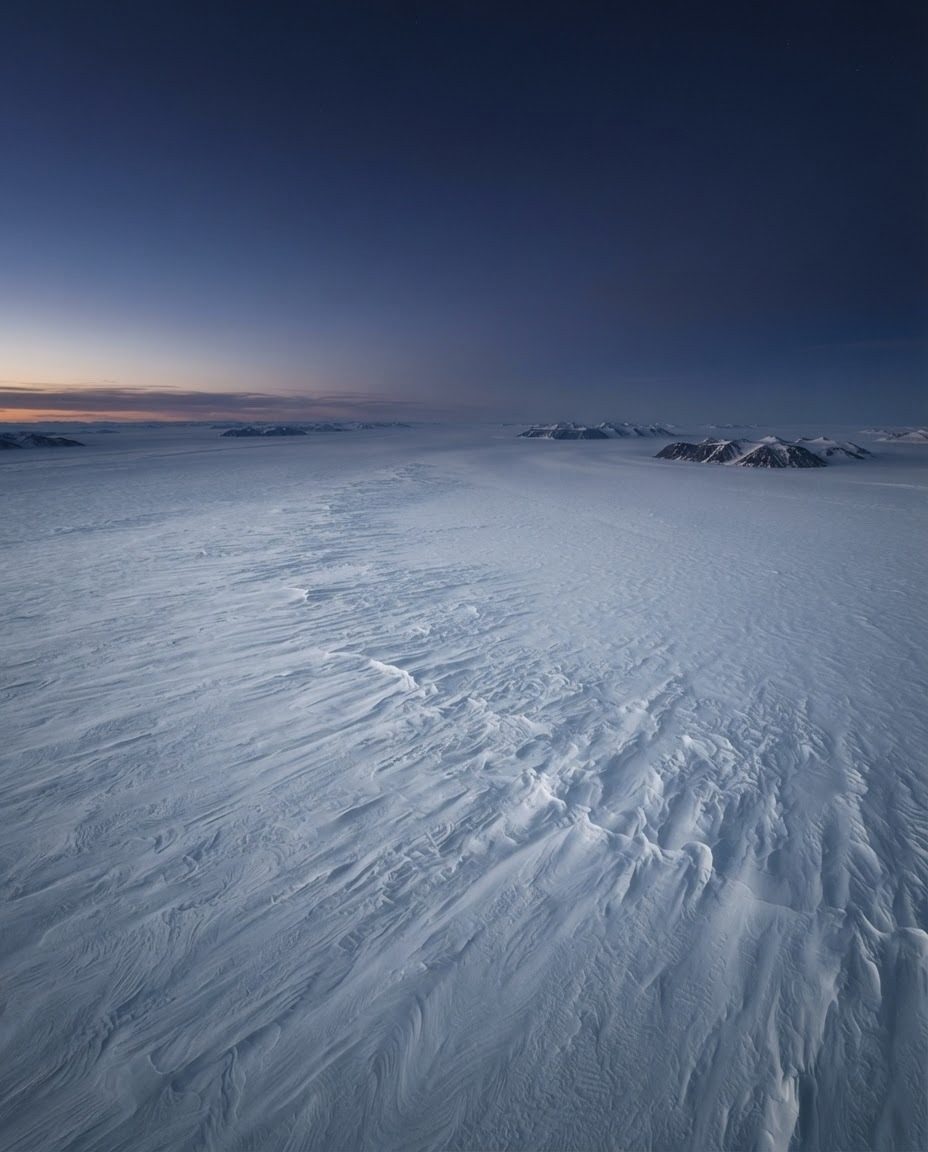
Nature's canvas in Antarctica is as awe-inspiring as it is brutal. The frozen continent’s landscape isn’t merely a picture of icy white; it's where the forces of wind and water etches its story into the floor. The snow patterns lie in layers. They reveal shifts in temperature, wind directions, and even local movements. This dance of elements on such small scale tell the story of nature’s artistry. Scientists from all around the world study these patterns for more than just pure curiosity. Whether a geologist studies the sediment or a biologist analyzes the strata, these places showcase how climates shape the Earth. This delicateness is a paradox. The human gaze is unable to hear the silence, but to be here is to experience the whispers of a million years of interactions. Soft lighting frames the entire scene, even from a few hundred kilometers away. The atmosphere during the vast, snow-covered landscape is ethereal — not just white terrain, but a tapestry of light and shadow. The horizon is painted in the delicate hues of dusk. The image captures the stark beauty of a polar environment. The lighting and composition emphasize the scale and isolation of the landscape. The scene is bathed in the soft light of either dawn or dusk, creating a serene and ethereal atmosphere. To this viewer, it’s as though the snow is a picture painted by a master's hand.
The Subtle Symmetry of Polar Geography
At the vastness of the terrain contrasts with the subtle intricacy etched into the snow. Such a minuscule scale reveals a background of complex processes. Mountain ranges stand as silhouettes to antique movements of the Earth. This frozen front of the landscape may appear quiet, serene, but it hums with an active story. The intricate patterns in the snow reveal the forces of nature shaping the terrain. Shelters for microscopic animals in the south pole are carved in the snow by the wind. Water and ice are not merely frozen still, but pressure and gravity are at play. The interplay of these elements—wind, ice, and water—their role in shaping Antarctic's landscape is more than we can see at a glance. One reason is that these elements are finely balanced. Scientists studying the continent don’t just look at the surface, but they see subtle variations. Antarctic isn't just one place. Each snowy field have their own history and story. The snow fields tell a story of ice age cycles and ocean currents. Extremely, the ice fields can be a place for the study of acid rain and pollution.
The Ethereal Quality of Snow Patterns
In a world where mountains can look like mantles, one cannot help but be drawn to the weathered patterns carved in the snow. Wind and ice can carve art in the snow. Ice creates dramatic patterns as if a painter sweeps its brush, but slowly, too slowly. Sculptures are created with the wind, ice, and snow in the Antarctic. These sculptures have a near-eternal existence. Tirelessly these processes weave intricate patterns into the snow. Snow is an expression of the climate. In how its texture varies widely. When crusty means the air temperature dropped below zero degree Celsius. Fluffy snow, fresh powder, means the air temperature above and the sky clear. Wind also plays a role. When the wind blows, it lifts the snow grains and depositing them further. The grains are formed in a star shape — a point of intersection. They're shaped that way because it packs easily. Understanding the transformation of climate into snow patterns is a complex process.
Watch the Reel
Related deep dives
Similar reads based on topic and creator.
Recent articles
Fresh deep dives from the latest Reels we unpacked.
Comments
Be the first to comment.