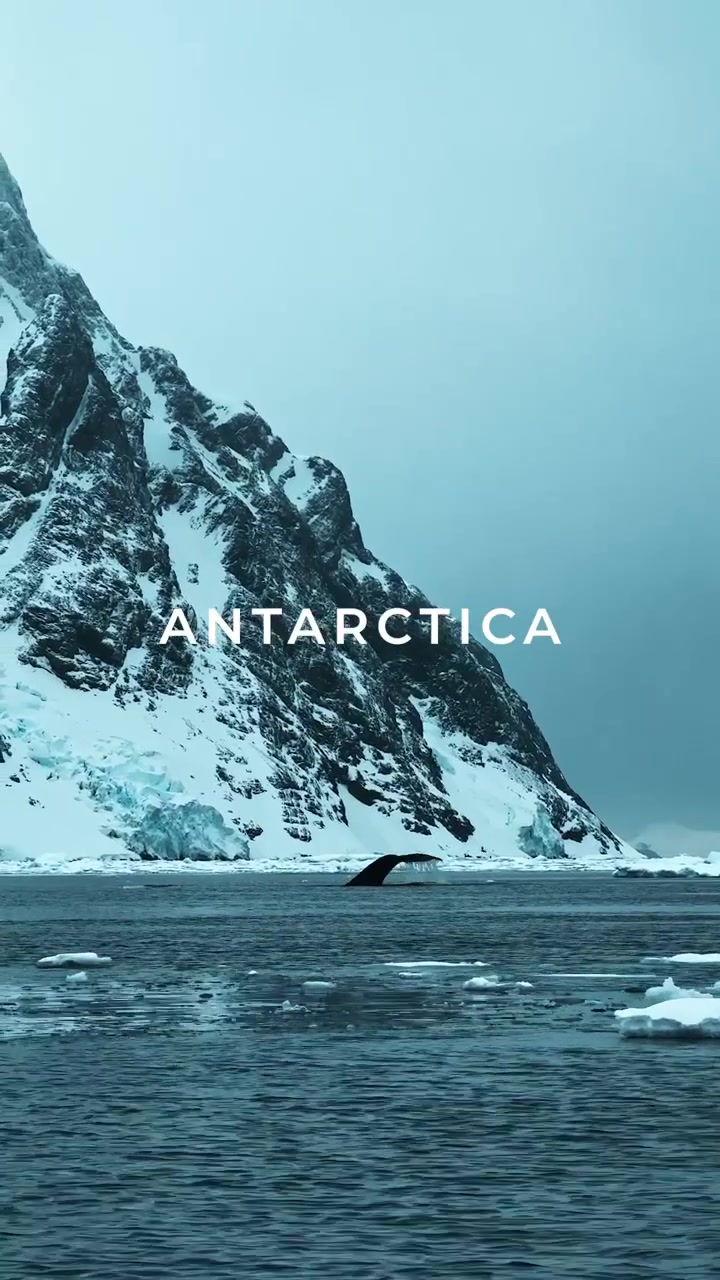
ANTARCTICA's ICY MOUNTAINS AND ICEBERGS
This remote region is a marvel of natural beauty, from its towering snowy peaks to the floating bergs in the azure sea. These frozen landscapes are as arresting as the wildlife, catching visitors unawares.
Antarctica’s Stunning Vistas
Antarctica's icy terrains and spectacular wildlife make for one of our planet’s most iconic set of landscapes — a place of endless, silent cold. It’s a land of contrasts, where the vast, undulating ice sheets juxtapose with jagged mountains. Antarctica's floor is scattered with snow-capped peaks, icebergs, and acres of water bodies. The continent draws its distinctive character from the relentless winds blowing from the frozen wastes of the southern ice cap. Antarctica's landscape changes with the seasons. In summer, the night gives way to the day, and the snow starts to melt. The summer season runs from around October to February, and the continent is a stark white. Antarctic summers lead to whiteout conditions, with flurries of snow and difficulty in distinguishing the boundaries between the sky, the mountains, and the ground. The movement and changing shape of icebergs on the surface of water make it a dynamic place.
The Rise of the Apeal of Untouched Landscapes
The crowds flocking to Antarctica highlight a broader trend. People yearn for unexplored territories, driven by wanderlust and the urge to experience something new. Antarctica, the least inhabited continent, has a lot to offer travelers seeking fresh challenges. Antarctica’s weather and landscape make it stand apart from other tourist spots. The continent remains one of the most inhospitable places on Earth, devoid of permanent human settlements. Only 25 countries maintain scientific research stations there. Antarctica’s environment is both beautiful and forbidding. The continent’s icy landscapes demand respect and caution. Traveling the icy waters needs safety measures, and the weather is unpredictable. But for those who make it, Antarctica remains a goal and a dream.
Giant Icebergs Drift Across the Sea
Antarctica's icebergs are massive blocks of ice that have broken off from glaciers or ice shelves and float in the Southern Ocean. Icebergs are shaped and reshaped by wind and water, drifting with the currents. Their constantly changing geometry has led to the many varieties that float in the ocean. Bergs can be many stories high. Icebergs' shapes range from tabular to wedge-shaped and prismatic. Icebergs have different sizes and shapes, sometimes referred to as "ice islands" when large enough. Icebergs can extend hundreds of meters below the surface. The U.S. National Snow and Ice Data Center reports that 7/8th of an iceberg is submerged in the water. Icebergs add a touch of drama to the frozen landscape, turning the Antarctic waters into a fairly interactive stage. Icebergs have their own ingredients – chunks of ice, micro-organisms, and marine life. The flattened edges of the icebergs become a bed for heat-absorbing species.
Mountain Ranges In The Icy Continent
Antarctica’s scenery remains frozen, but the continent's mountain ranges have remained unmoving for eons. Antarctica’s mountains are sharply carved by storms and wind. The Transantarctic Mountains run across the continent, separating East and West Antarctica. The Transantarctic Range stretches almost 2,200 miles (3,500 kilometers) and contains peaks that tower above 14,000 feet — including the highest point on the continent, and by some estimates, the highest peak in the South Pole. Glaciers surround these mountains, and the snow-covered ranges make for a romantic, picturesque backdrop. Once home to tropical forests, Antarctica’s mountain ranges were later covered by volcanoes and lava. The volcanic activity in Antarctica was followed by an ice age. Volcanic activities create ice islands and underwater caverns, which have marine life flourishing within. Antarctica has more than 47 active volcanoes, including Mount Siple (Antarctica's highest known volcano), and the biggest glaciers in the world.
Wildlife Adaptation To The Frozen Continent
The continent's icebergs and mountain ranges allow for some unique wildlife. The region is home to several species like penguins, seals, and whales. Antarctica's wildlife has adapted to the extreme weather conditions, and the continent hosts more than 200 species of fish, many of them evolving to withstand the sub-zero waters. The continent has been a significant habitat for penguins, whales, and seals. However, threats to wildlife include extreme climate conditions and the need to adapt to changing stakes due to global warming. The continent’s ecosystem is under threat due to the effects of climate change. The continent’s biodiversity remains a core concern. The rise in temperature and the melting of sea ice affect the wildlife.
Hiking On The Desolate, Snowed Peaks
Antarctica offers some of the world’s most stunning landscapes and adventurous experiences. The most adventurous can hike through the iconic snow-capped peaks and the Transantarctic Mountains. Antarctica depicts a frozen, untouched terrain, which is ideal for hiking.
- Time and Season: You don’t need to be an experienced mountaineer to explore the pristine landscapes. Summer is the best time to explore the continent. The months from November to March are ideal.
- Special Sights: You'll see ice caves, mountains, and glaciers. Some of the best places to explore are the Transantarctic Mountains, the ice-capped peaks, and the penguin colonies.
- Plan Realistically: You need to be reasonably fit, and the hikes are often guided. You should also consider the weather, which can be unexpectedly harsh. Pack for Antarctica’s freezing conditions, with the right gear to battle the cold. Pack snow boots, a survival survival kit, and other essential gear. Bring a special jacket and hat. If the weather allows, pack some binoculars to watch wildlife.
The White Continent’s Best Virtue
Antarctica’s beauty is not just about scenery; its value lies in its ability to inspire. The frozen landscapes have inspired many artists, researchers, and explorers. The continent’s wild beauty is pretty different from that of other continents. Antarctica’s beauty has captivated and intrigued a host of writers, scientists, and travelers. You can find yourself in a wilderness that’s both terrifying and breathtaking, alone with the vastness of the world. Antarctica is where you can stand on the edge of the world, with nothing but white plains stretching out to the horizon.
Watch the Reel
Questions readers ask
What makes Antarctica's landscapes so unique?
Antarctica's landscapes are unique due to their vast, undulating ice sheets, jagged mountains, and scattered icebergs. The contrast between these elements, along with the ever-changing weather and dynamic ice formations, creates a truly one-of-a-kind environment. Plus, the lack of human settlements adds to its untouched, pristine allure.
Why are icebergs in Antarctica so fascinating?
Antarctica's icebergs are fascinating because of their massive size. They can be hundreds of meters tall and extend even further below the surface. Their shapes and sizes vary greatly, from tabular to wedge-shaped, and they constantly change due to wind and water, making them a dynamic and dramatic part of the landscape. Plus, they serve as habitats for various marine species.
How does the weather in Antarctica change with the seasons?
Antarctica's weather is harsh year-round, but summers (October to February) bring longer days and some melting of the snow. This can lead to whiteout conditions, where it's difficult to distinguish the sky from the ground. Winters are even harsher, with constant darkness and extreme cold.
What precautions should tourists take when visiting Antarctica?
Tourists should be prepared for extreme weather conditions and unpredictable landscapes. Safety measures are crucial, especially when traveling on icy waters. It's important to respect the environment and follow guidelines to minimize impact. Most tourists visit during the summer months, when conditions are slightly more hospitable.
Are there any permanent human settlements in Antarctica?
No, Antarctica is devoid of permanent human settlements. It is one of the most inhospitable places on Earth. However, 25 countries maintain scientific research stations there, which are staffed by rotating teams of scientists and support personnel.
What kind of wildlife can be found among the icebergs in Antarctica?
Icebergs in Antarctica serve as habitats for various marine species. While the article doesn't specify which species, it mentions that the flattened edges of icebergs become a bed for heat-absorbing species, suggesting a diverse range of marine life.
Related deep dives
Similar reads based on topic and creator.


Recent articles
Fresh deep dives from the latest Reels we unpacked.



Comments
Be the first to comment.